Materials
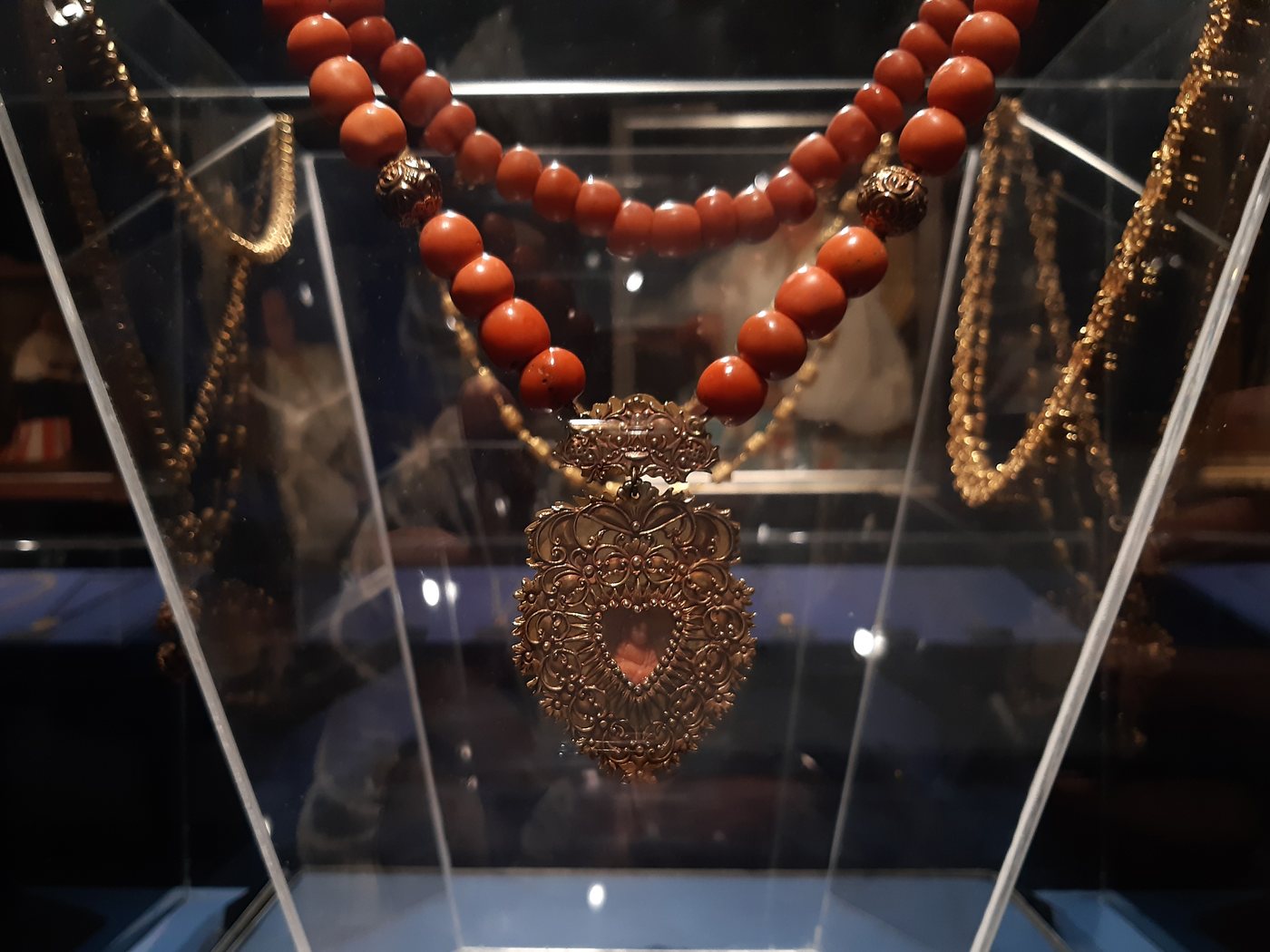
Coral in Historical Jewellery
How Mediterranean red coral was fished, carved at Torre del Greco and Naples, sold by firms such as Phillips of London, worn in mid-Victorian fashion, and given to children as protection.
Section
18 articles
Materials
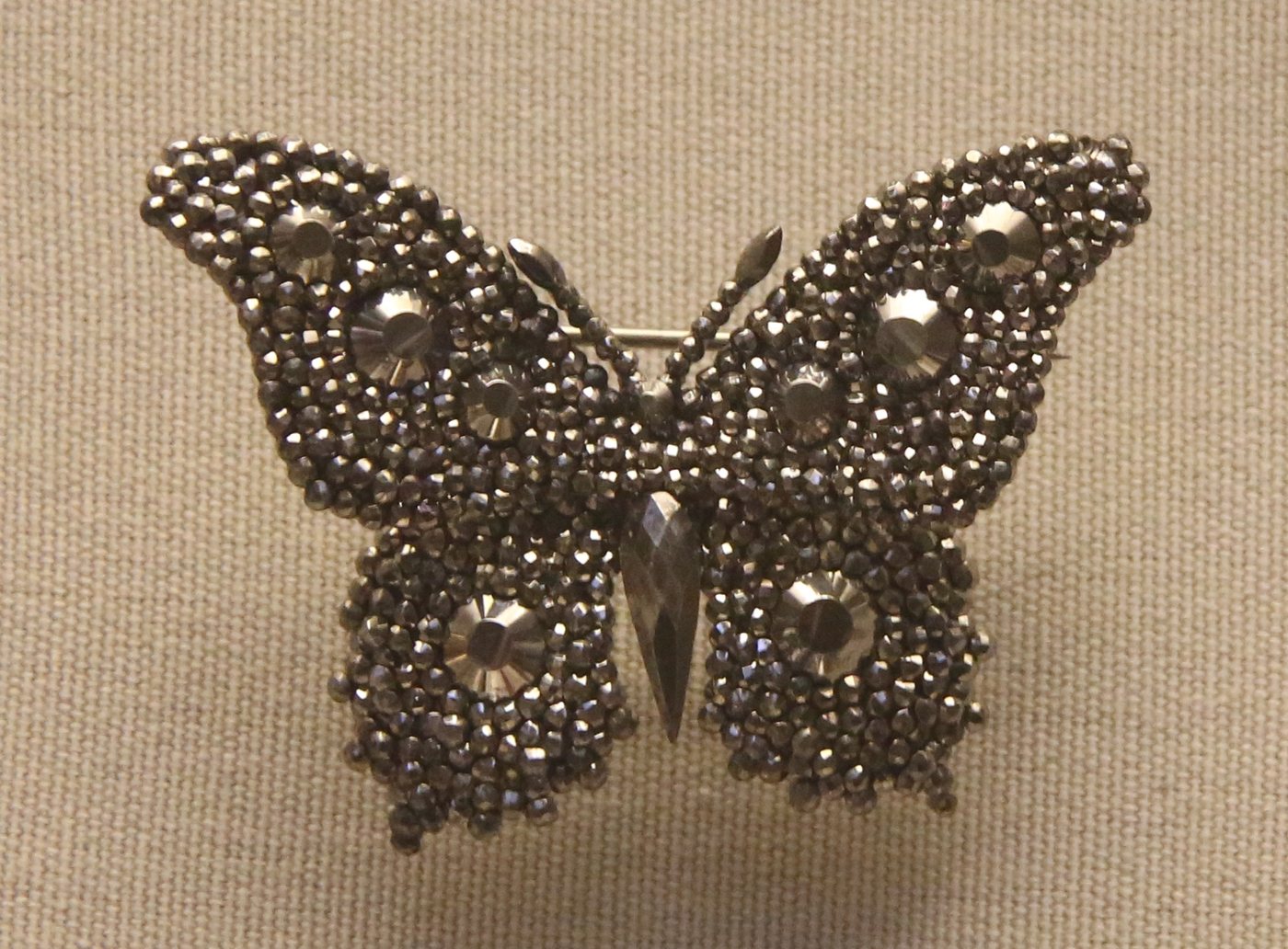
What cut steel jewellery is, from Woodstock and Matthew Boulton's Soho works to French and late Victorian work, how its faceted studs were made and set, and how to tell it from paste and marcasite.

Materials
What enamel is, how it was fired, and how cloisonné, champlevé, guilloché, painted enamel and plique-à-jour relate - with the makers and fashions of enamel jewellery from 1700 to the 1930s.
Materials
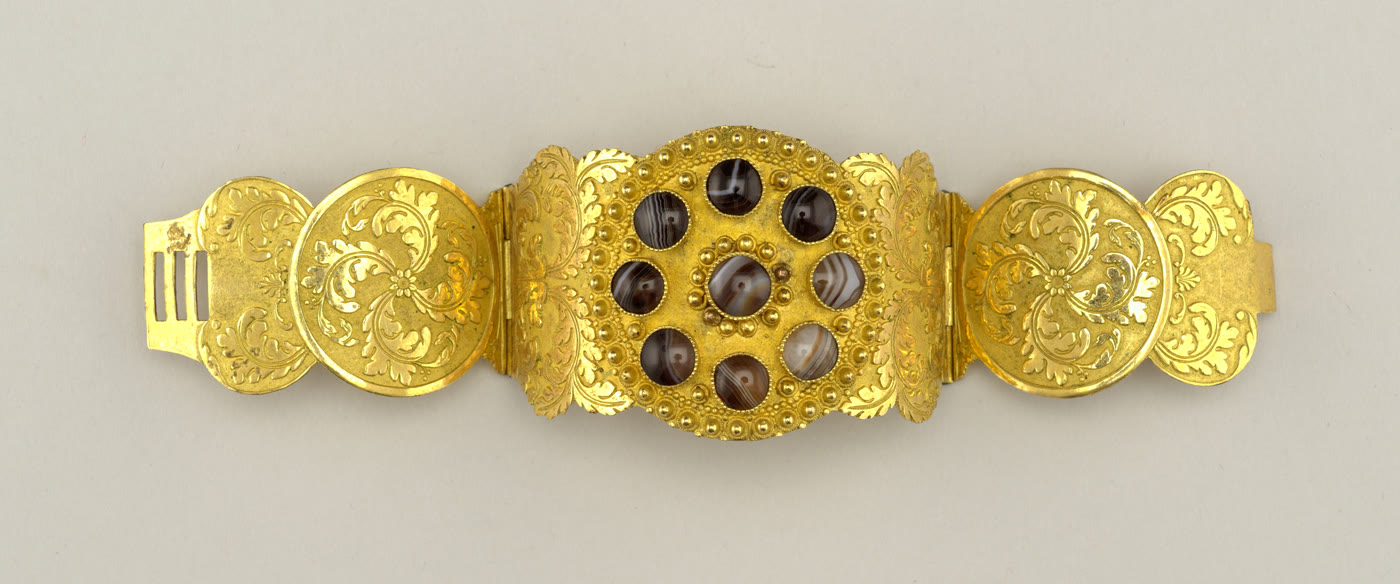
What gilt jewellery is, from mercury fire gilding and silver-gilt to Elkington's 1840 electrogilding and 20th-century costume jewellery, and how it differs from pinchbeck and rolled gold.

Materials
The roles of glass in jewellery 1700-1950: paste, Tassie's glass gems, French jet, Venetian and Bohemian beads, micromosaic, Lalique and pâte de verre - and why glass is not simply a synonym for fake.

Materials
How gold standards, supply, colour and working methods changed from Georgian to 1940s jewellery - the 1854 standards, the gold rushes, bloomed and coloured gold, rolled gold - and gold's imitations.

Materials
How ivory was used in jewellery - miniatures on ivory, Dieppe and Erbach carving, Canton export work, Art Nouveau ivory - how to tell it from bone and celluloid, and why its trade is restricted today.

Materials
What jet is, where it came from - Whitby, Asturias, southern France - its use from the Bronze Age to the Victorian mourning boom, and how to tell genuine jet from vulcanite and French jet.
Materials
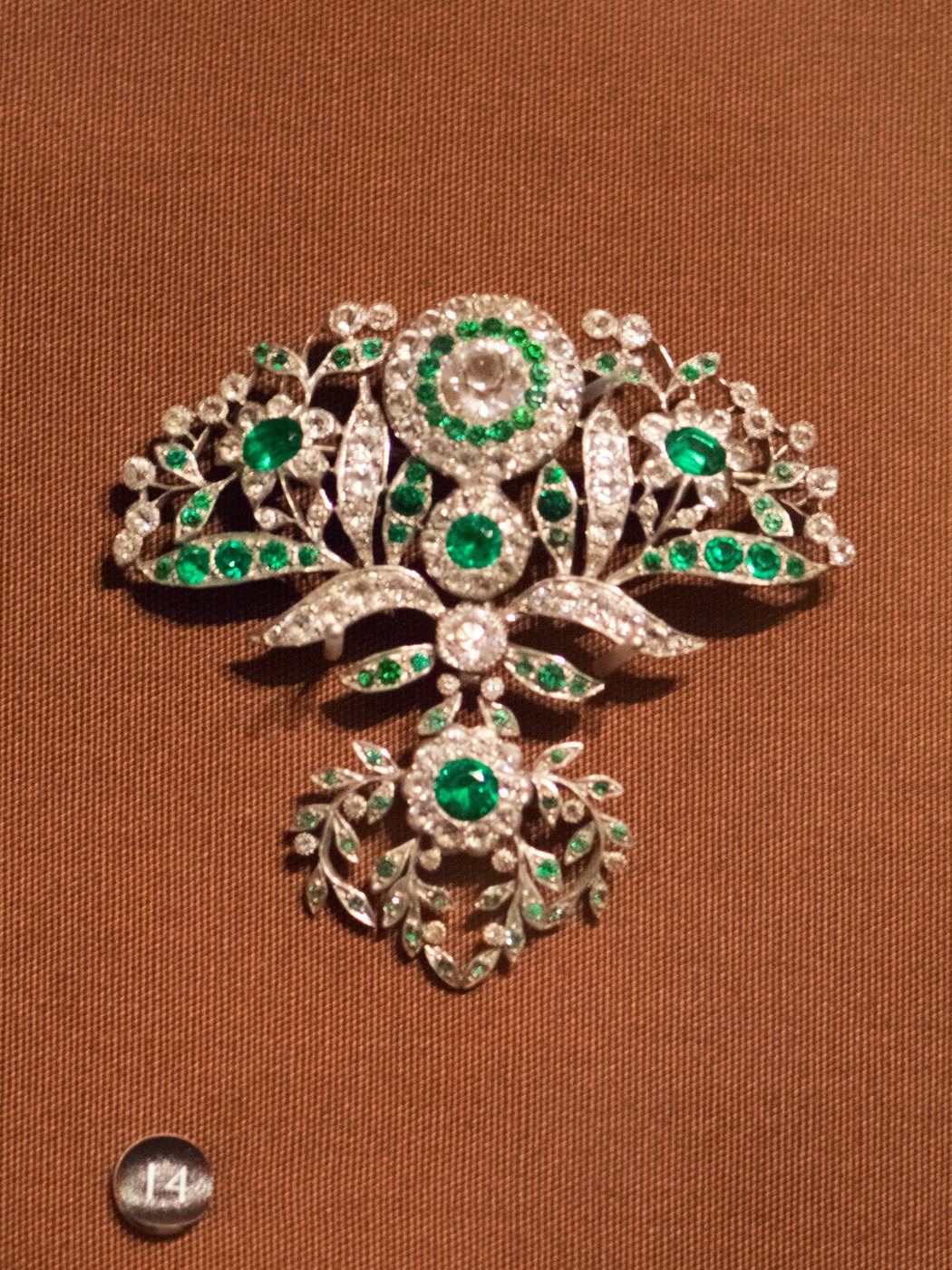
What paste jewellery is, from English lead glass and Georges Frédéric Strass in Paris to foiled closed settings, black-dot culets and later Bohemian stones, and why fine paste is collected today.

Materials
What pinchbeck is, how Christopher Pinchbeck's gold-coloured alloy imitated gold in Georgian jewellery and watch cases, why it declined after 1854, and how it is collected today.
Materials
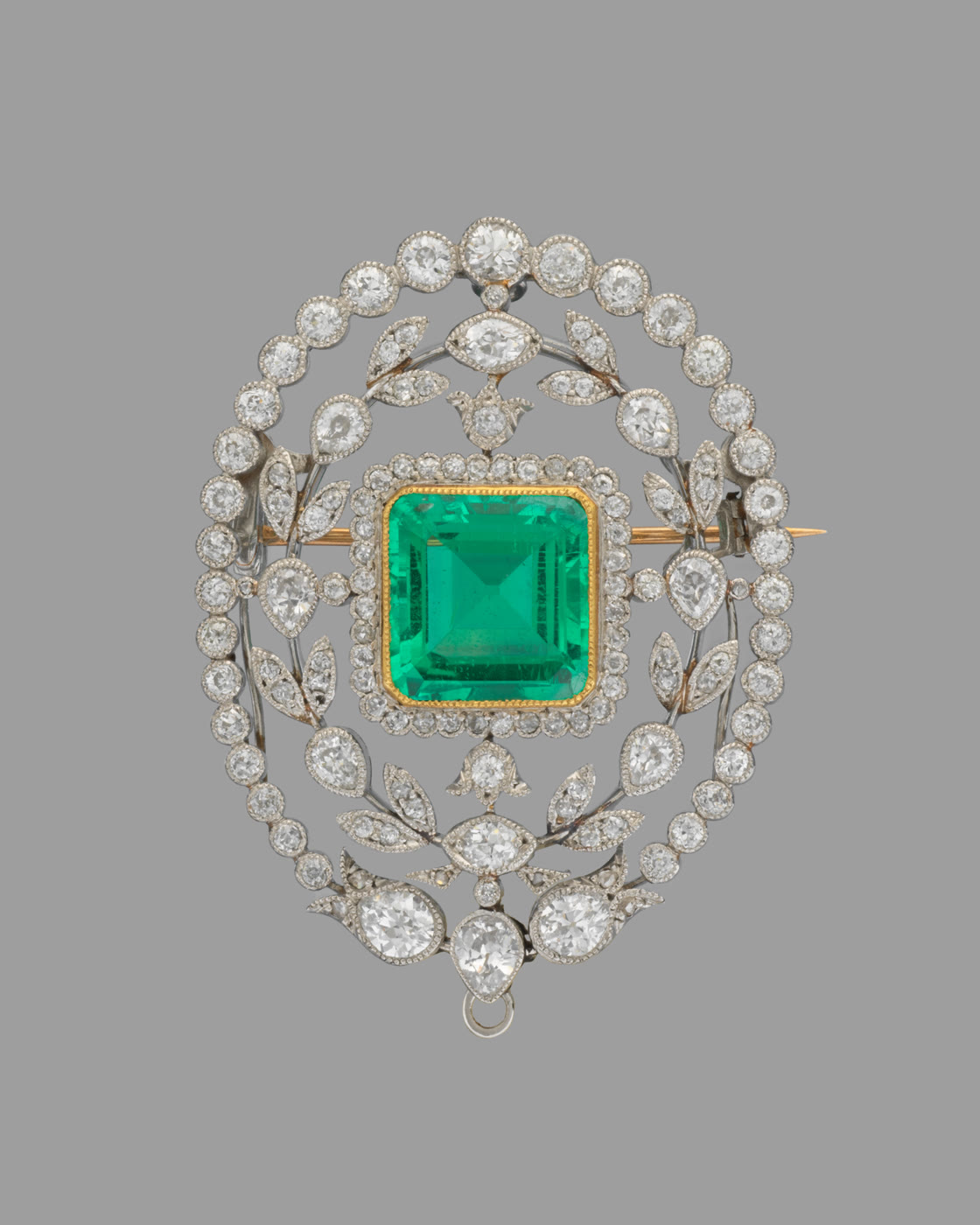
Why platinum only became practical for jewellery around 1900, Cartier and the Edwardian garland style, Art Deco settings, Russian and South African supply, wartime restrictions and platinum marks.
Materials
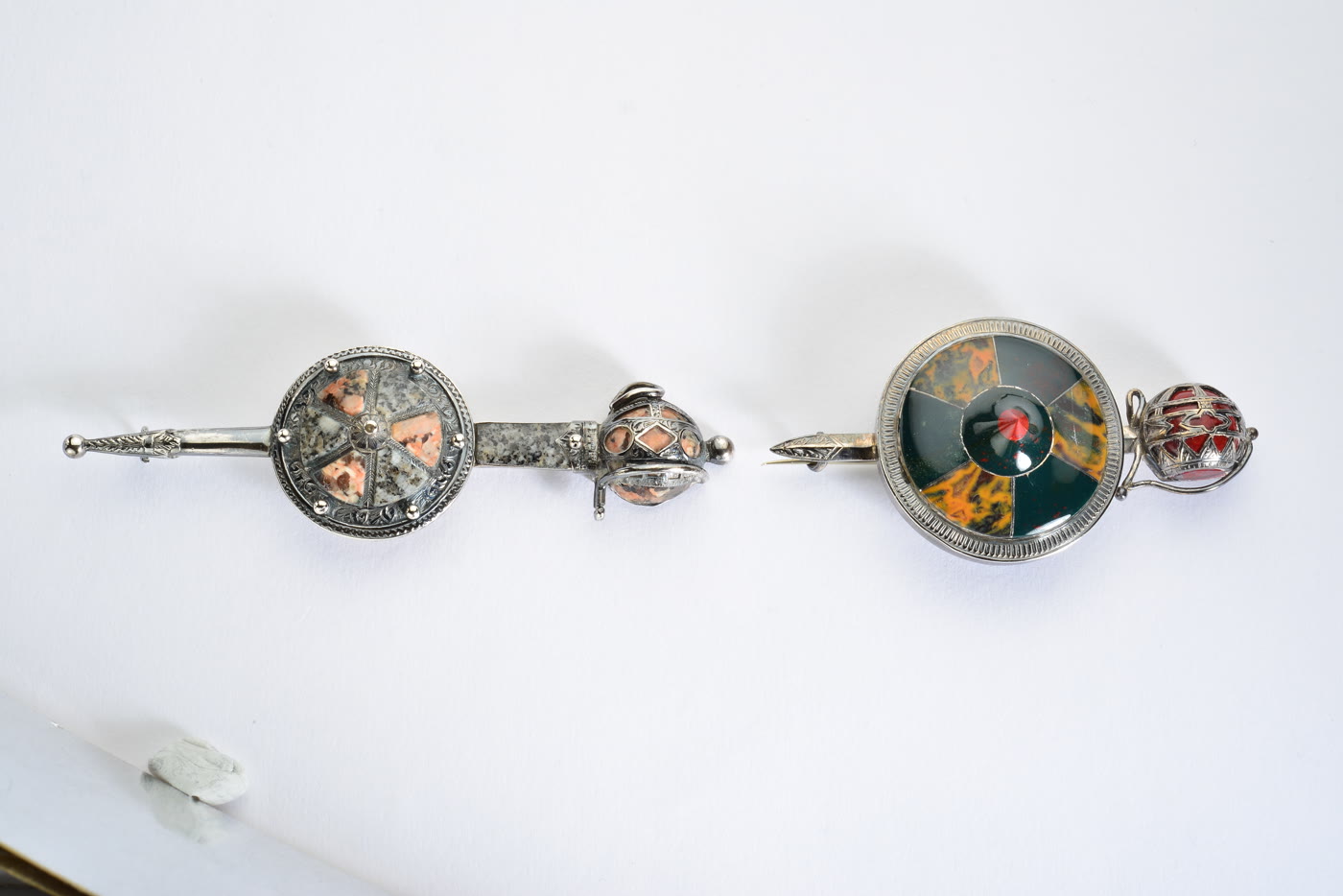
Scottish pebble jewellery: native agates, jaspers and cairngorm set in silver, the stones' sources, Balmoral and Queen Victoria, Edinburgh and Birmingham makers, and the plaid, dirk and garter brooch forms.

Materials
Silver as gold's cheaper alternative, silver-topped gold settings, the Victorian silver fashion of the 1870s-80s, Birmingham's Jewellery Quarter, and Arts and Crafts silver from Ashbee to Liberty and Jensen.

Materials
How hawksbill tortoiseshell was heated, moulded and inlaid as Neapolitan and Birmingham piqué, Spanish and Argentine combs and Victorian jewellery, its imitations, and why its trade is restricted today.
Materials
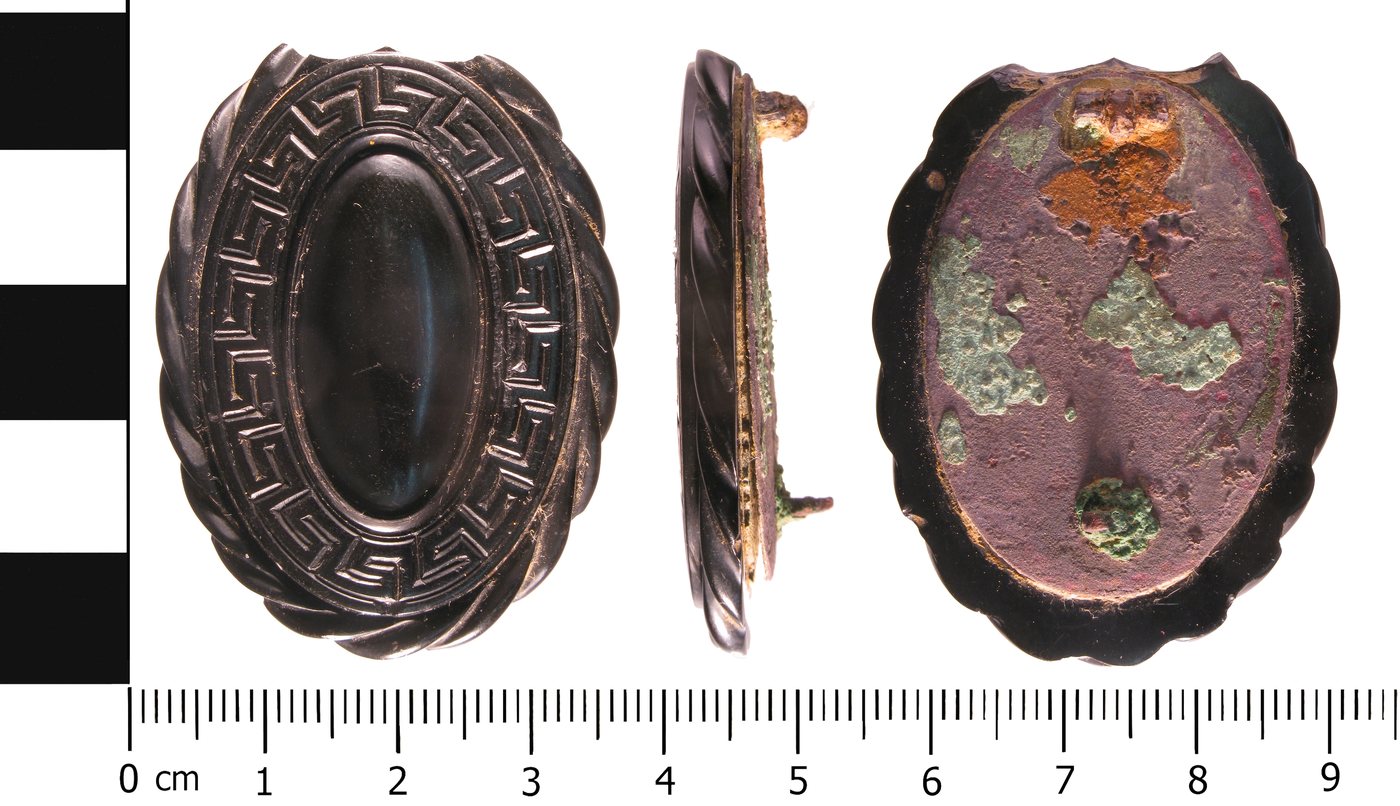
How Whitby's jet workshops grew from the early 19th century, boomed after 1861 with Victorian mourning, showed at the 1851 Great Exhibition, and declined by the 1880s and 1890s.

Materials
How the Royal Prussian Iron Foundry cast delicate black iron jewellery in the early 19th century, the 1813 'Gold gab ich für Eisen' campaign, Neoclassical and Gothic designs, and how to recognise Berlin iron today.
Materials
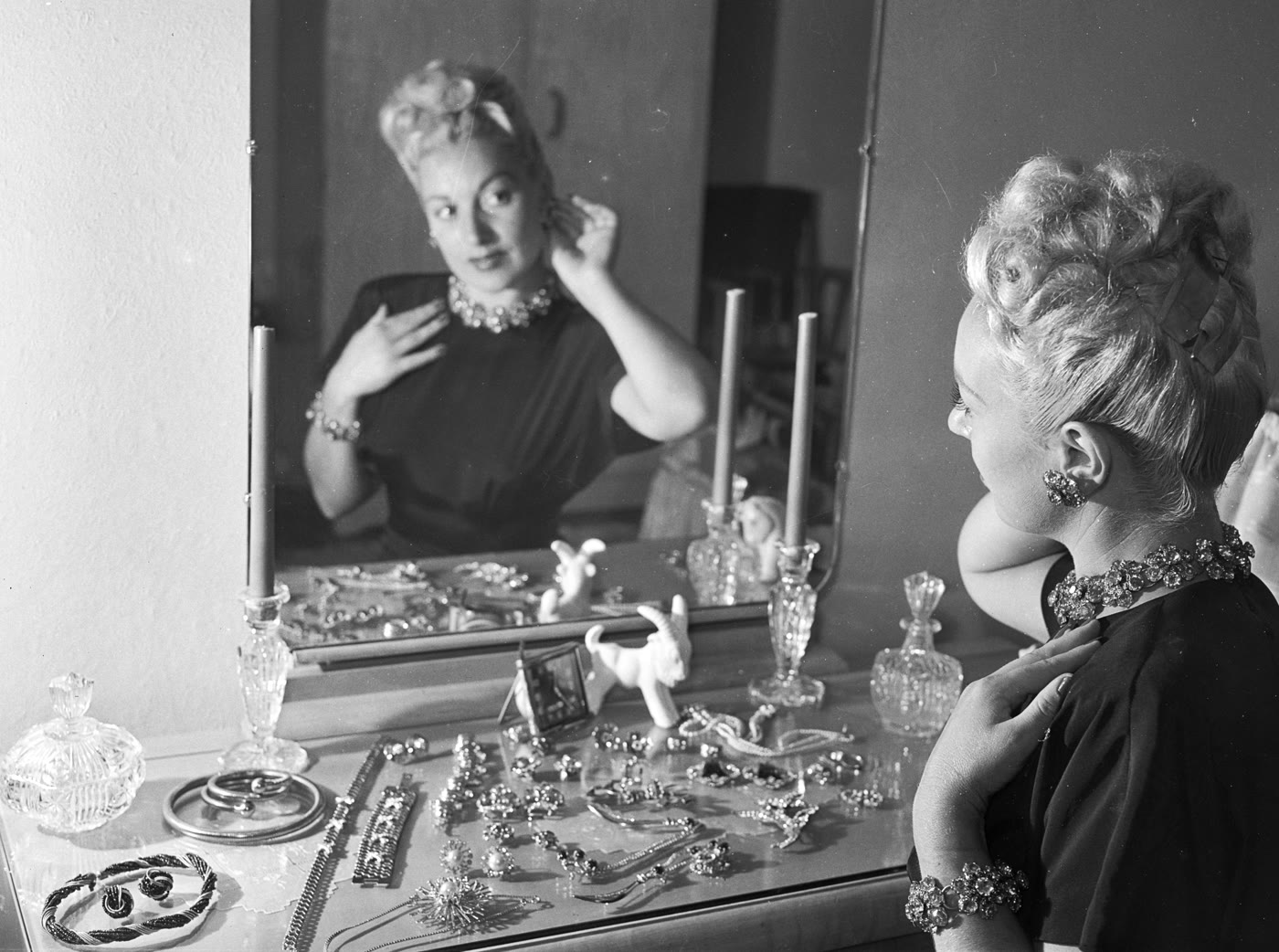
How costume jewellery grew from Georgian paste and pinchbeck into a fashion industry: Chanel and Schiaparelli, Trifari, Coro, Miriam Haskell and Eisenberg, Swarovski crystal, wartime sterling, and how to recognise and date costume pieces.

Materials
What marcasite jewellery is (usually pyrite set in silver), its use as an affordable diamond substitute from the 18th century, the great marcasite boom of the 1920s and 1930s, and how to recognise and care for it.