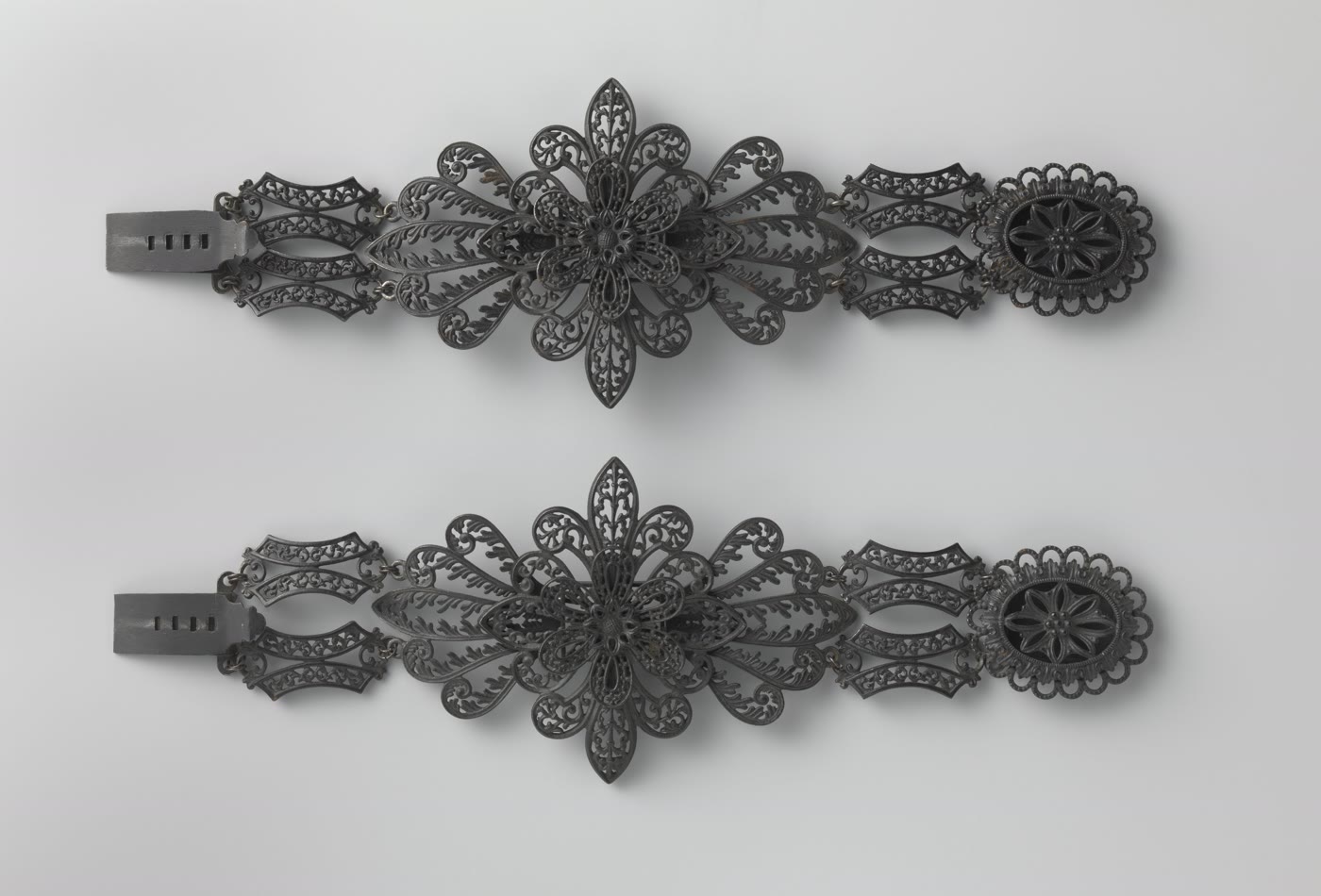
Techniques
What Is Casting?
What casting is, how lost-wax, sand and cuttlebone casting worked, Berlin iron, centrifugal casting and rubber moulds, and how cast jewellery differs from stamped and repoussé work.
Section
16 articles
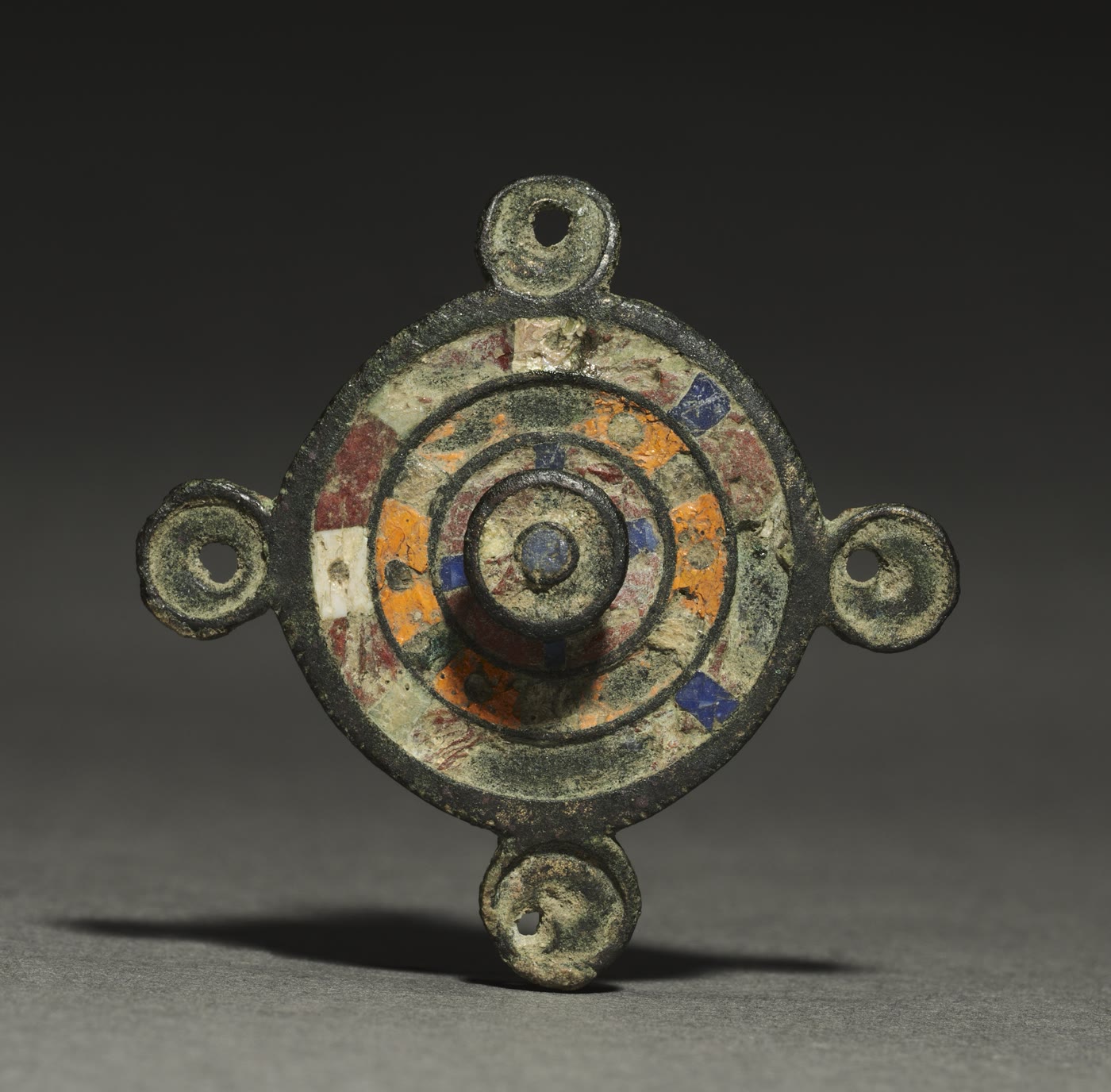
Techniques
What champlevé enamelling is, from Limoges and Mosan medieval work to Georgian mourning rings, Gothic and Renaissance revival jewellery and Liberty silver, and how it differs from cloisonné.

Techniques
What chasing is, the punches, hammer and pitch bowl a chaser used, matted gold and 18th-century chased gold, and how chasing works alongside repoussé and differs from engraving.
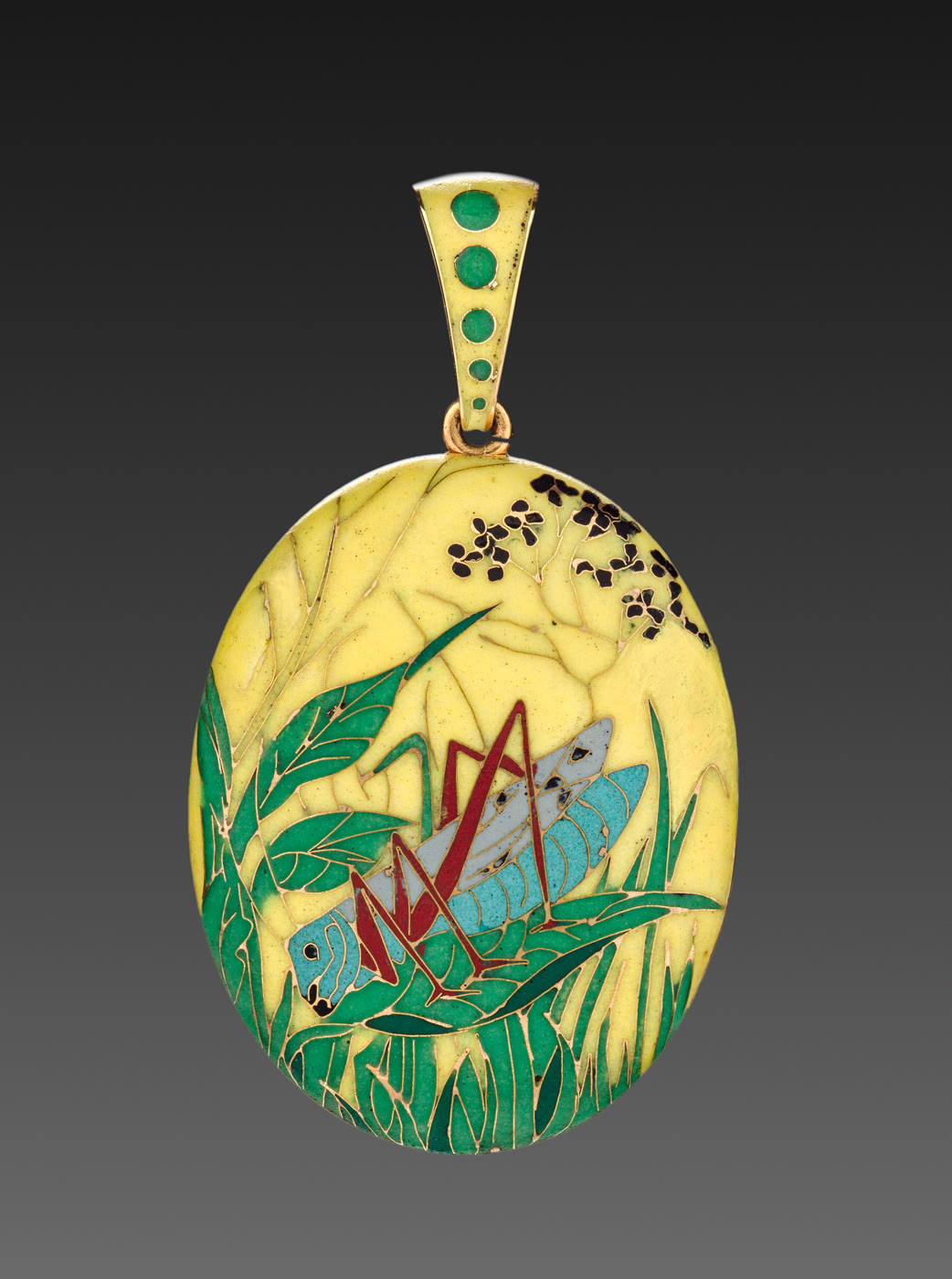
Techniques
What cloisonné enamelling is, from Byzantine and Chinese work to Falize's Japanese-style jewellery, Meiji Japan and Russian silver, plus plique-à-jour, and how it differs from champlevé.

Techniques
What hand-engraving is, the gravers used, bright-cut engraving from the 1770s, inscriptions, signets and Aesthetic-style silver, and how engraving differs from chasing and underlies niello.
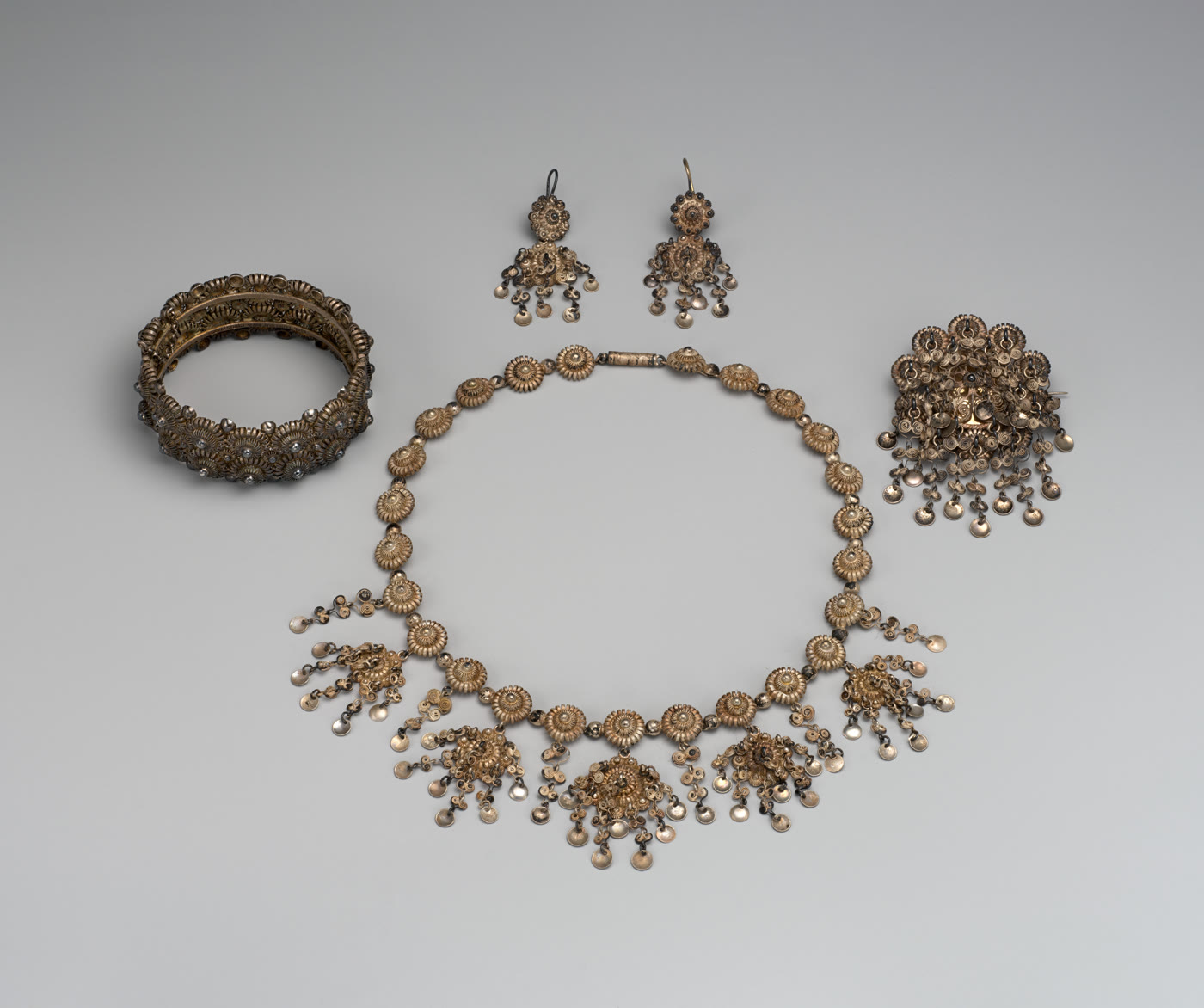
Techniques
What filigree is, how the wire was drawn and soldered, cannetille c.1815-40, Genoese, Maltese and Portuguese filigree, Castellani revival work and die-struck 1920s 'filigree' rings.
Techniques
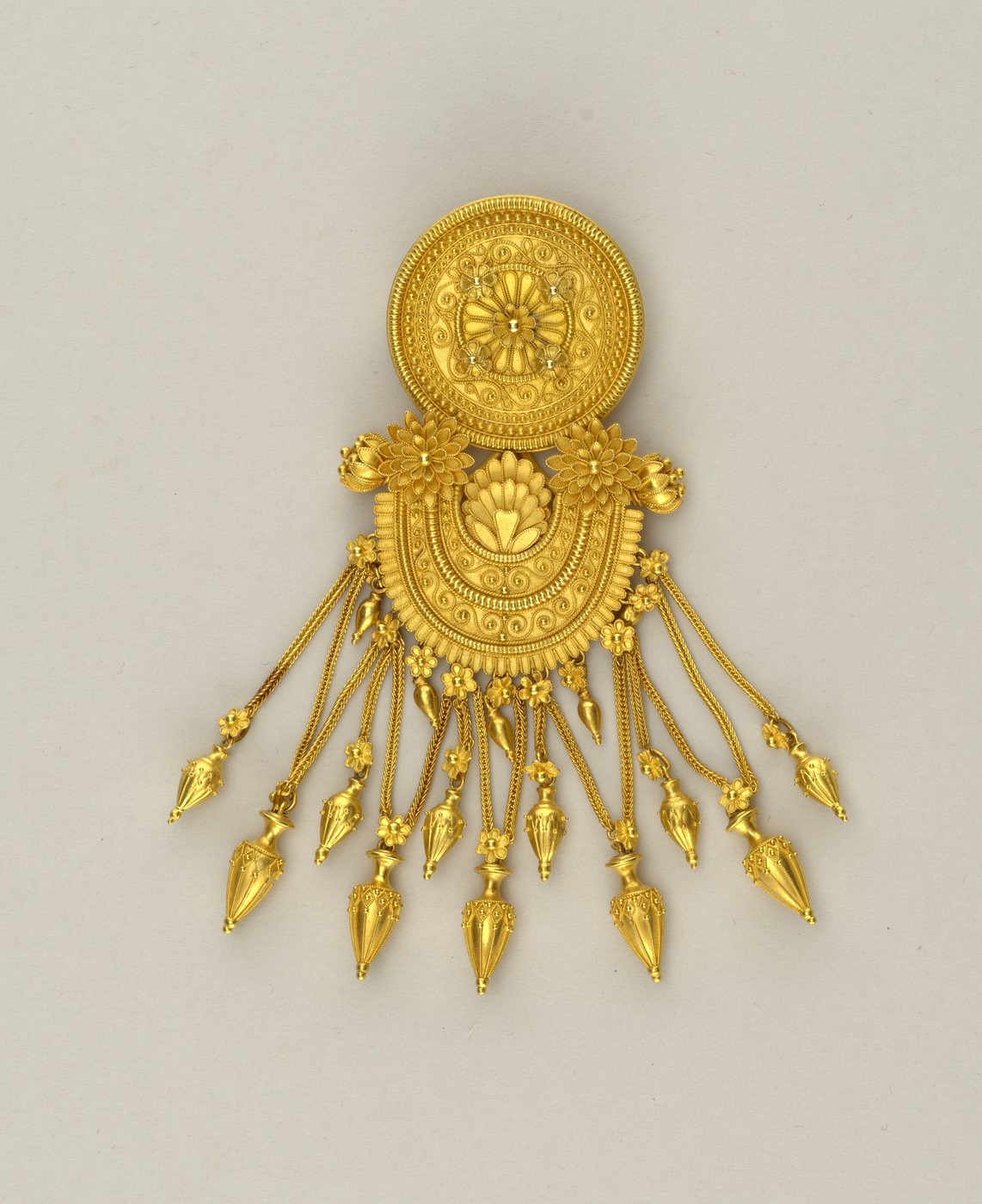
What granulation is, how granules were made and fixed, its Etruscan origins, the Castellani and Giuliano revival, and Littledale's 1930s reconstruction of the ancient method.

Techniques
What guilloché enamel is, how the rose engine and straight-line engine cut the ground, Fabergé and its workmasters, Edwardian and 1920s use, and how it differs from cloisonné and champlevé.

Techniques
How Roman micromosaic was made from smalti filati, its roots in the Vatican Mosaic Studio, the makers who led it, and how it became a Grand Tour souvenir from the 1770s to the 1870s.

Techniques
What niello is, how the black sulphide inlay was made and fused into silver, its history from Anglo-Saxon brooches to Tula silver, Victorian watch cases and Thai souvenirs, and how it differs from enamel.

Techniques
What piercing is, how openwork was sawn by hand or struck with a fly press, its use from Georgian galleries to Edwardian platinum and Victorian name brooches, and how it compares with filigree.

Techniques
What pietra dura hardstone inlay is, how it was cut and fitted, the Florentine Opificio delle Pietre Dure founded in 1588, 19th-century souvenir brooches, and how it differs from micromosaic.

Techniques
What repoussé is, how it is hammered into relief from the reverse of a metal sheet, its use from Georgian watch cases to Arts and Crafts silver, and how it differs from stamping and casting.

Techniques
Historical stone-setting styles from foiled closed-back collets to open claws, coronet, gypsy, millegrain, platinum knife-edge, channel, illusion and mystery settings - and roughly when each was used.
Techniques
What milgrain edging is, how the milgrain wheel works, its use on Edwardian platinum and 1920s-30s white gold and platinum rings, and why it is a useful but not conclusive period indicator.
Techniques
What pavé setting is, how stones were seated and held by raised beads, its use from Victorian turquoise pavé to Edwardian platinum and Art Deco work, and how it differs from channel setting.