Enamel in Jewellery
What enamel is, how it was fired, and how cloisonné, champlevé, guilloché, painted enamel and plique-à-jour relate - with the makers and fashions of enamel jewellery from 1700 to the 1930s.
Enamel is powdered coloured glass fused permanently onto a metal surface by firing at high heat, producing a smooth, durable, richly coloured finish used across jewellery techniques and periods.

What Enamel Fundamentally Is
At its core, enamel is glass - specifically, finely ground glass powder, coloured with metallic oxides, applied to a metal surface and then fired in a kiln or furnace at a high enough temperature to melt and fuse it into a smooth, glossy, permanently bonded layer. Once cooled, fused enamel is hard, glass-like and highly durable in normal wear, resistant to fading in a way that painted or dyed decoration is not, though it can chip or crack under a sharp impact much as glass can. Enamel for jewellery is fired at roughly 750-850°C, so it can be applied to gold, silver and copper, all of which melt at higher temperatures. The enameller grinds the glass to a powder, washes it, and lays it into place wet with a small spatula or quill. Several thin coats are usually fired one after another to build up depth of colour, with the hardest (highest-firing) enamels applied first. On thin metal, a layer of “counter-enamel” is fired on the back so that the piece does not warp as it cools. After the last firing the surface may be ground flat and polished, or left with its natural fire-glazed gloss.
Because enamel is essentially coloured glass fused to metal, it sits within the broader family of glass materials used in jewellery; see Glass in Historical Jewellery for how enamel relates to paste, black glass and other glass jewellery materials.
Enamel as a Family of Techniques
“Enamel” describes the material and the general firing process rather than any single technique, and jewellery historically used enamel in several distinct ways, chiefly distinguished by how the metal surface beneath the enamel is prepared and how that preparation shapes the finished design. Each of the main techniques below has its own page covering its method, appearance and history in more detail.
Cloisonné builds up thin metal wires soldered onto a surface to form small compartments, or cells, which are then filled with enamel of different colours, the wires remaining visible as fine metal outlines between colour areas once fired. Champlevé instead works by carving or etching recessed areas directly into a solid metal surface and filling those recesses with enamel, so the surrounding uncarved metal, rather than applied wire, forms the boundaries between colours. Guilloché enamel applies typically translucent enamel over a metal surface that has first been mechanically engraved with a fine, repeating pattern, so that the engraved texture shows through the coloured enamel and catches the light as the piece moves.
Two related methods are often met in Georgian and Victorian gold. Basse-taille lays translucent enamel over metal that has been carved or chased in low relief, so the design shows through in deeper and paler tones; guilloché is a machine-cut version of the same idea. Taille d’épargne fills engraved lines and patterns in gold with opaque enamel, usually black or dark blue, and was much used for English mourning and sentimental jewellery between about 1820 and 1870.
Painted Enamel
In painted enamel the design is not separated by metal at all: the enameller covers a metal plate with a white enamel ground and paints over it in finely ground enamel colours, firing each stage. The method was developed in France in the early 17th century - the goldsmith Jean Toutin of Châteaudun is usually credited with painting in enamel colours on a white ground around 1630 - and became the basis of the portrait miniature in enamel. Geneva became the great centre of painted enamel for watch cases and jewellery in the 18th and early 19th centuries. In England, enamel on copper was made for small boxes, buttons and trinkets at Battersea in London in the 1750s and at Bilston and Wednesbury in the Midlands.
Plique-à-Jour: Enamel Without a Backing
A further, related technique worth understanding alongside these is plique-à-jour, in which translucent enamel is fired within a wire framework similar to cloisonné’s cell walls, but without a solid metal backing sheet behind it, so that light passes directly through the finished enamel much as it would through stained glass. This backing-free, light-through quality made plique-à-jour especially prized in Art Nouveau jewellery, where its delicate, luminous colour suited the movement’s naturalistic, often insect- and flower-inspired designs. Plique-à-jour is technically demanding to produce successfully, since the fired enamel must be structurally sound without full backing support, which helps explain why surviving examples are comparatively less common than backed enamel techniques. René Lalique and other Paris jewellers used it for dragonfly wings and leaves in the 1890s and 1900s, and in Norway the Christiania (Oslo) firms of David Andersen and J. Tostrup were known for plique-à-jour spoons, brooches and buttons in the same years.
Period and Use
Enamel appears in jewellery throughout the 18th, 19th and early 20th centuries and long before, since fusing coloured glass to metal is an old and geographically widespread technique, but particular methods rose and fell in fashion:
- 18th century: black and white enamel on mourning rings - black usually for a married adult, white often for an unmarried person or child; painted enamel miniatures and watch cases; enamelled gold in sentimental and memento mori jewellery.
- c.1820-1870: blue and black enamel borders and bands, and taille d’épargne on English gold jewellery; buckle, serpent and garter forms with dark blue enamel; enamelled mourning lockets and brooches.
- 1860s-1890s: revivals of earlier styles. Carlo Giuliano in London was the leading enameller in the Renaissance-revival manner, working with fine white and black enamel and coloured stones, and “Holbeinesque” pendants of enamelled gold with a central cabochon or cameo were fashionable in the 1860s and 1870s.
- c.1880-1917: guilloché enamel reached its height in the work of Fabergé in St Petersburg and in fine French and English jewellery of the Edwardian period.
- c.1890-1910: plique-à-jour and translucent enamels in Art Nouveau jewellery; painted and champlevé enamel revived by the Arts and Crafts movement, with Alexander Fisher teaching enamelling in London and Phoebe Anna Traquair making enamelled pendants in Edinburgh. Liberty & Co.'s Cymric silver jewellery popularised blue-green “peacock” enamel.
- 1920s-1930s: black, red and green enamel combined with diamonds, onyx and coral in Art Deco jewellery; enamelled compacts, cigarette cases and costume jewellery.
Enamel was used both for small decorative accents on otherwise metal or gem-set jewellery and as the primary decorative surface of a piece, particularly in mourning jewellery, portrait miniatures and revivalist pieces.
How to Recognise Enamel and Its Techniques
Enamel’s glossy, glass-like surface and its resistance to fading generally distinguish it from painted decoration, which tends to show a flatter finish and can fade or wear where enamel does not. Distinguishing between the specific techniques generally comes down to close inspection of what lies beneath the coloured surface - fine soldered wire outlines for cloisonné, carved metal walls for champlevé, an engraved textured pattern showing through for guilloché, and, for plique-à-jour, the presence or absence of any solid metal backing at all, sometimes visible by holding a piece up to the light. Later costume jewellery sometimes used “cold enamel”, a coloured resin that is set rather than fired; it is softer and less glassy than true vitreous enamel. These are useful starting observations rather than certain proof, and confirming a technique with confidence generally benefits from examination by a specialist.
Frequently Asked Questions
Is enamel the same thing as glass? In material terms, yes - enamel is glass, coloured and fired onto a metal surface, though “glass” in jewellery more commonly refers to cut, moulded or cast glass elements rather than a fused surface coating.
Which enamelling technique is most fragile? Plique-à-jour, because its enamel is fired without a full solid metal backing, is generally considered the most delicate of the main techniques, and surviving pieces are handled with particular care for that reason.
Read next
Eras
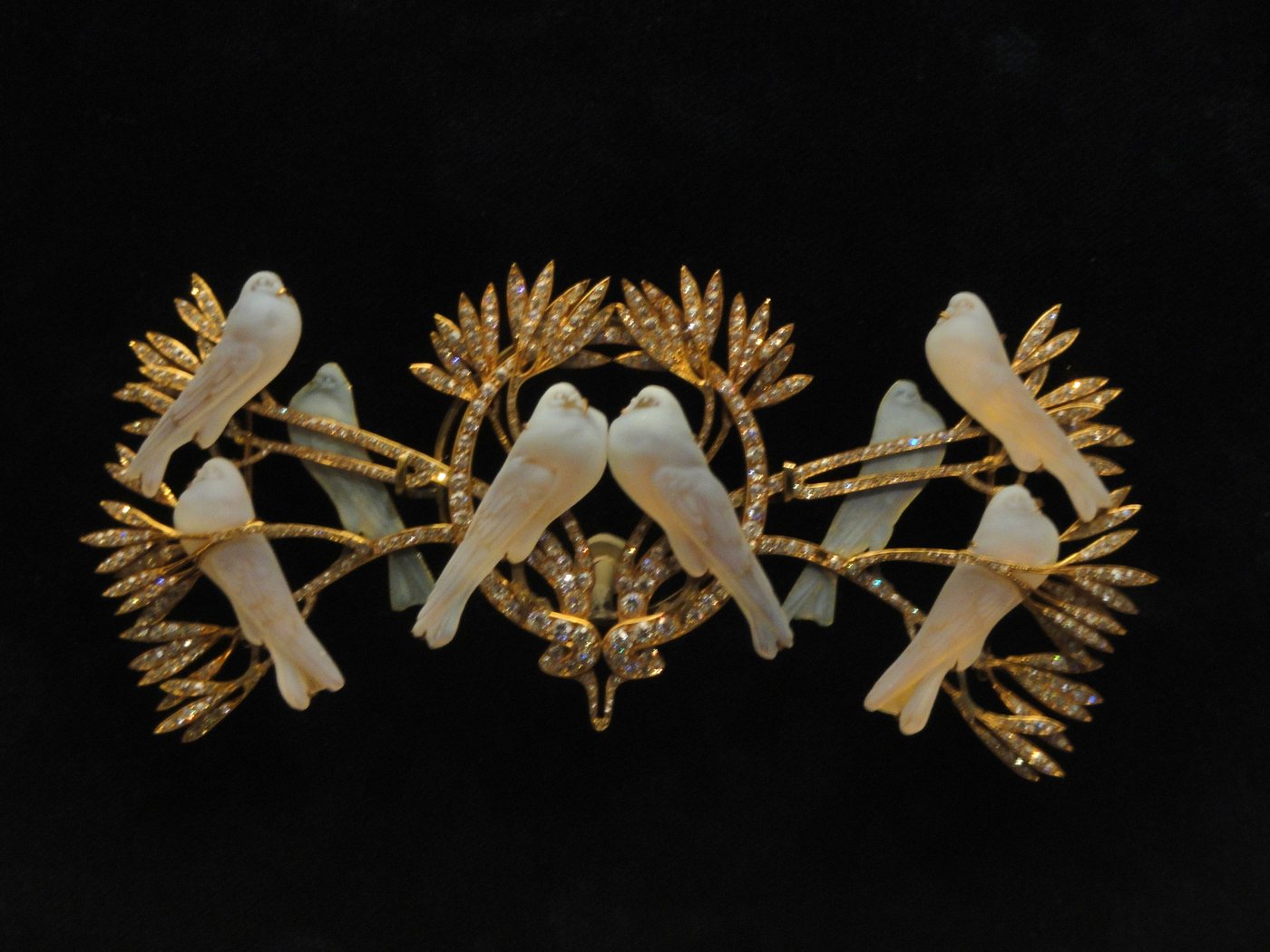
Art Nouveau Jewellery
A guide to Art Nouveau jewellery (c.1890-1910): René Lalique and Gulbenkian, Fouquet and Mucha, Vever and Gaillard, plique-à-jour and horn, Jugendstil, Liberty's Cymric range, Tiffany, and the mass-produced silver that spread the style.

Materials
Glass in Historical Jewellery
The roles of glass in jewellery 1700-1950: paste, Tassie's glass gems, French jet, Venetian and Bohemian beads, micromosaic, Lalique and pâte de verre - and why glass is not simply a synonym for fake.
Techniques
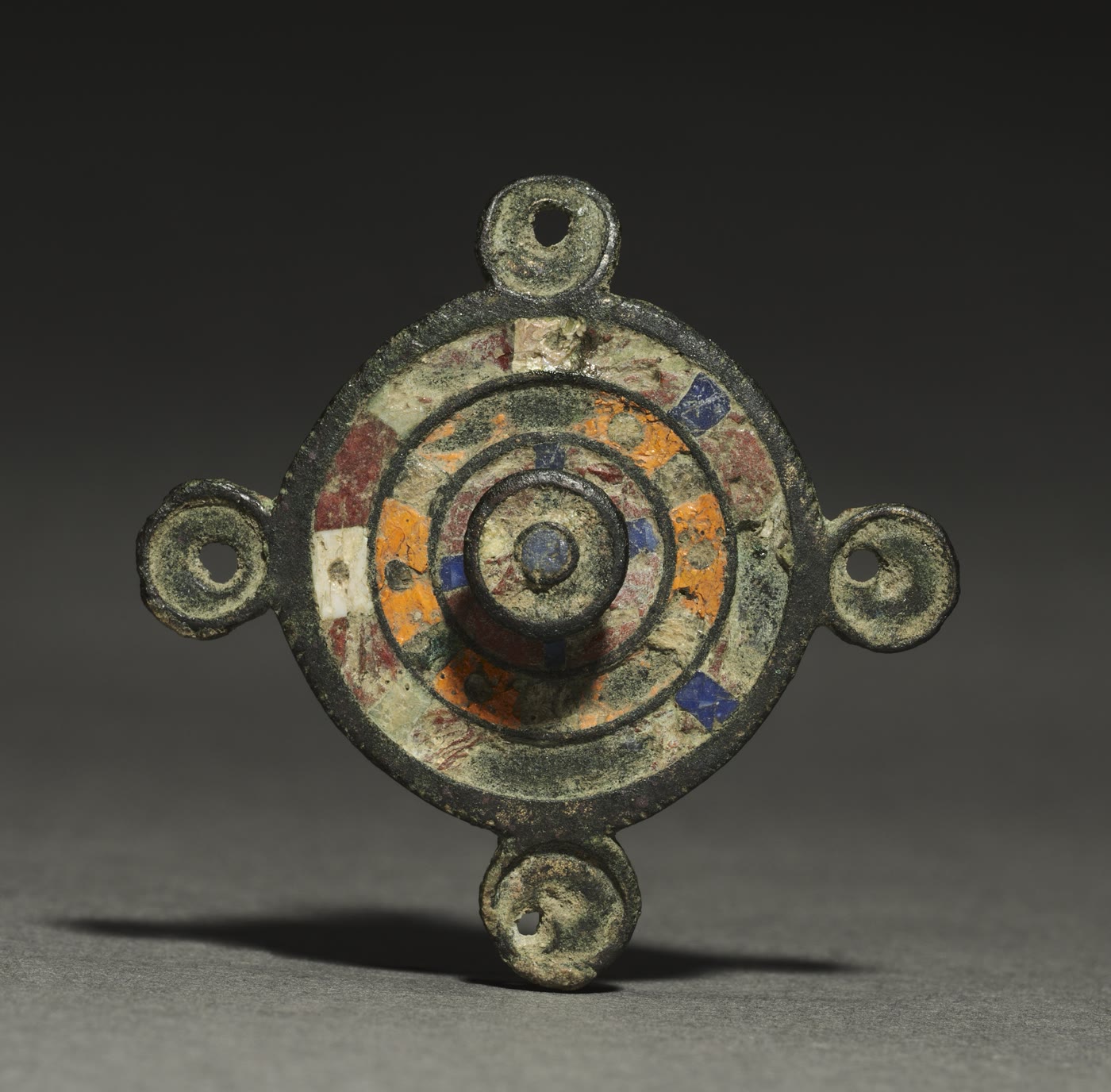
What Is Champlevé?
What champlevé enamelling is, from Limoges and Mosan medieval work to Georgian mourning rings, Gothic and Renaissance revival jewellery and Liberty silver, and how it differs from cloisonné.
Techniques
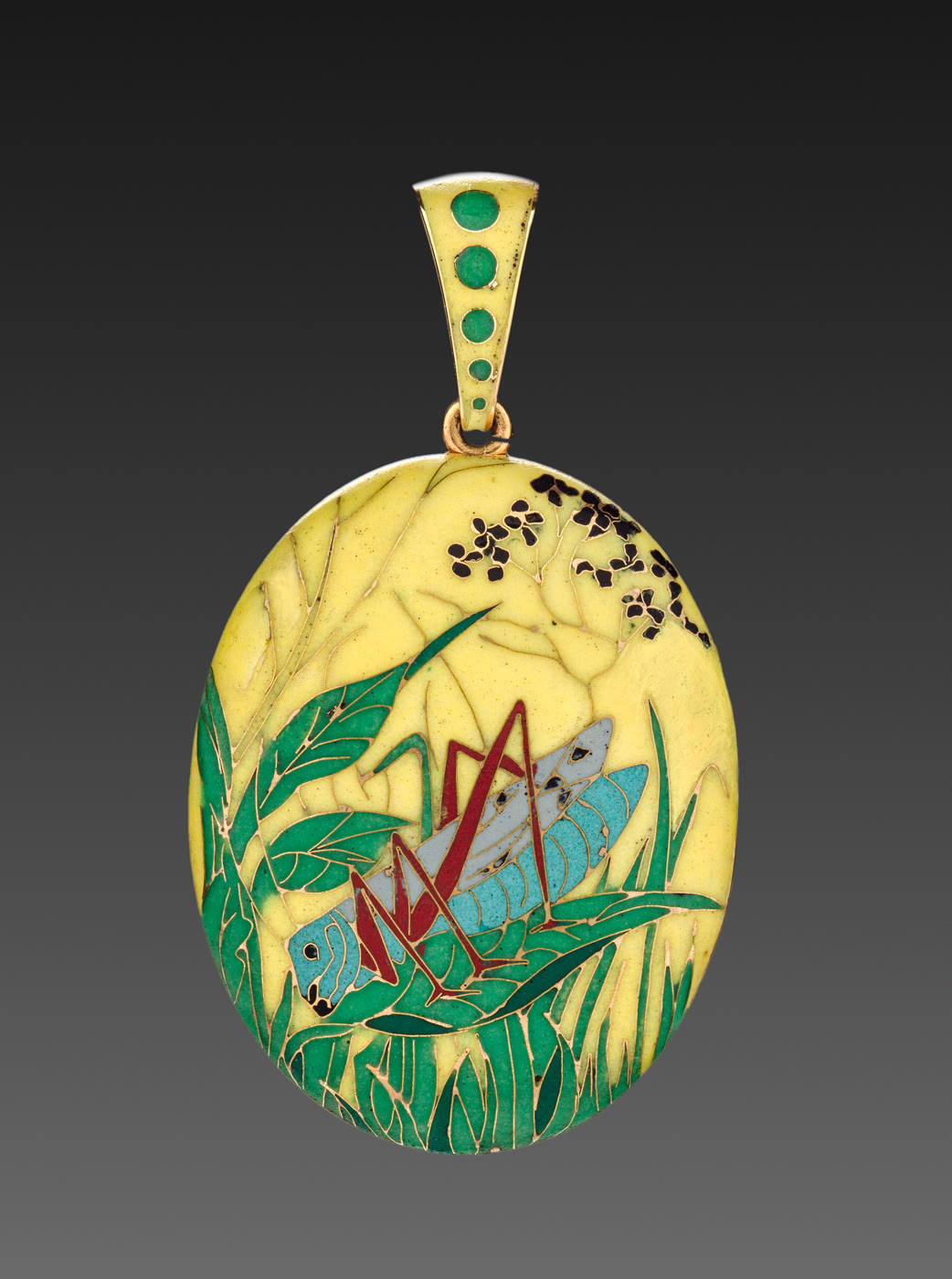
What Is Cloisonné?
What cloisonné enamelling is, from Byzantine and Chinese work to Falize's Japanese-style jewellery, Meiji Japan and Russian silver, plus plique-à-jour, and how it differs from champlevé.
Techniques
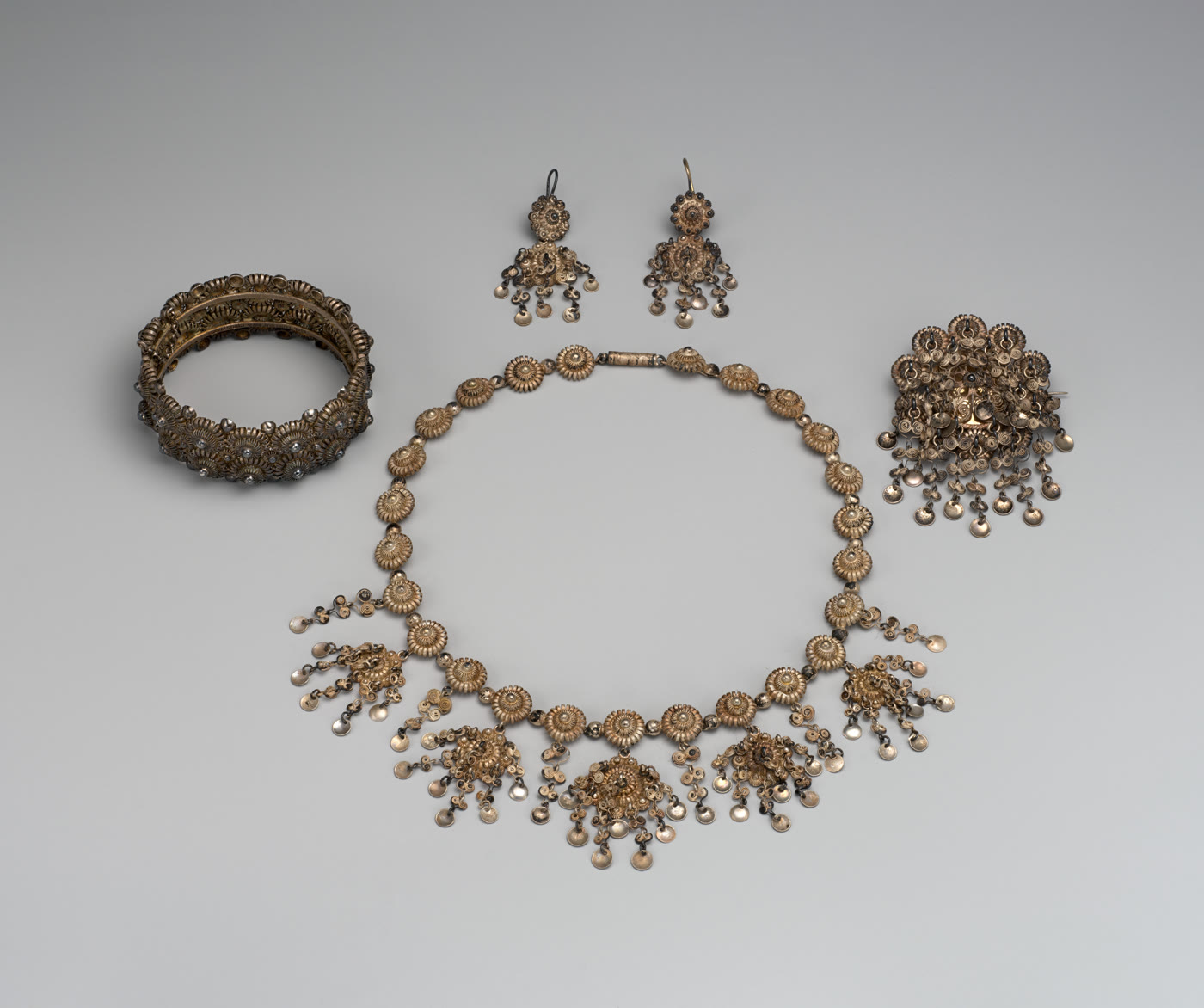
What Is Filigree?
What filigree is, how the wire was drawn and soldered, cannetille c.1815-40, Genoese, Maltese and Portuguese filigree, Castellani revival work and die-struck 1920s 'filigree' rings.

Techniques
What Is Guilloché Enamel?
What guilloché enamel is, how the rose engine and straight-line engine cut the ground, Fabergé and its workmasters, Edwardian and 1920s use, and how it differs from cloisonné and champlevé.