Eras
Georgian Jewellery
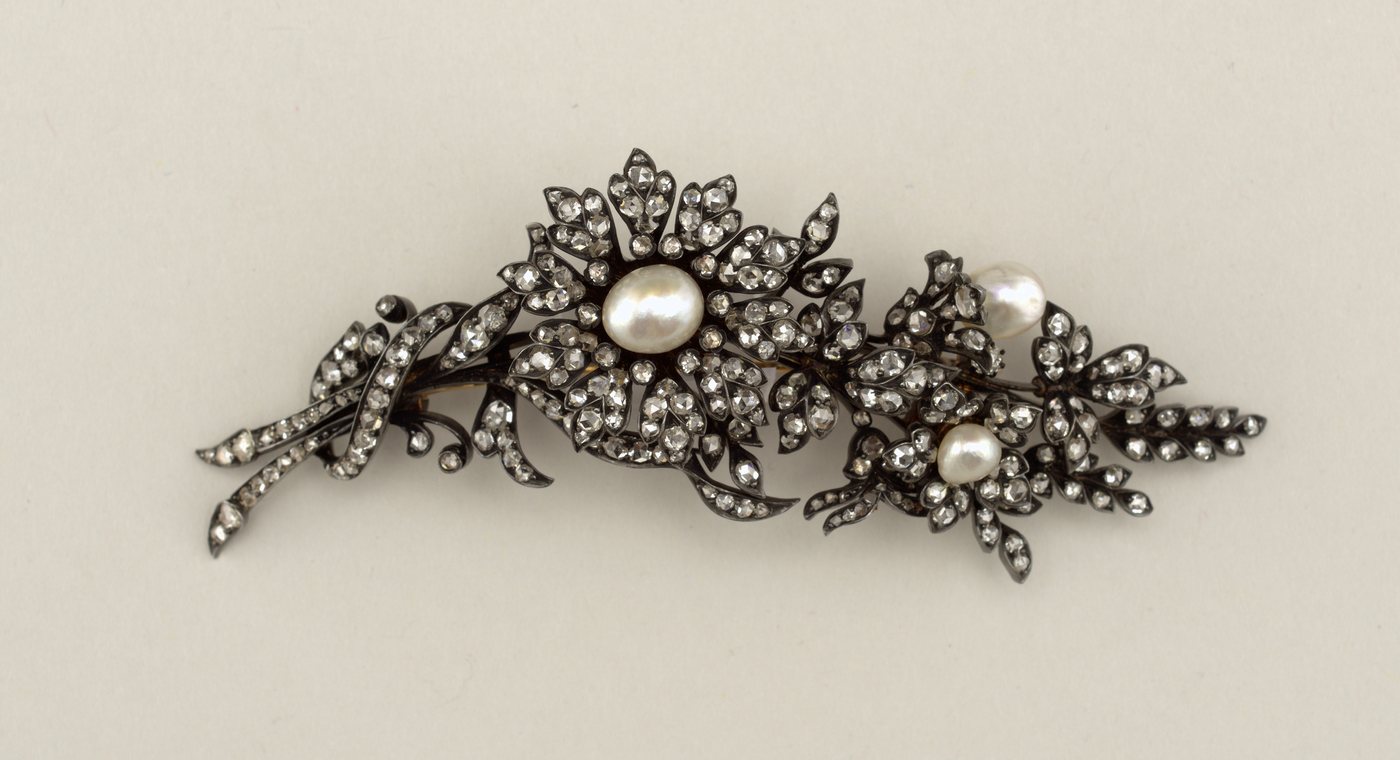
A guide to Georgian jewellery (1714-1837): Brazilian diamonds, closed-back foiled settings, rococo and Neoclassical styles, paste, cut steel and pinchbeck, sentimental miniatures, girandoles, rivières and Sévigné bows.
Section
15 articles
Eras
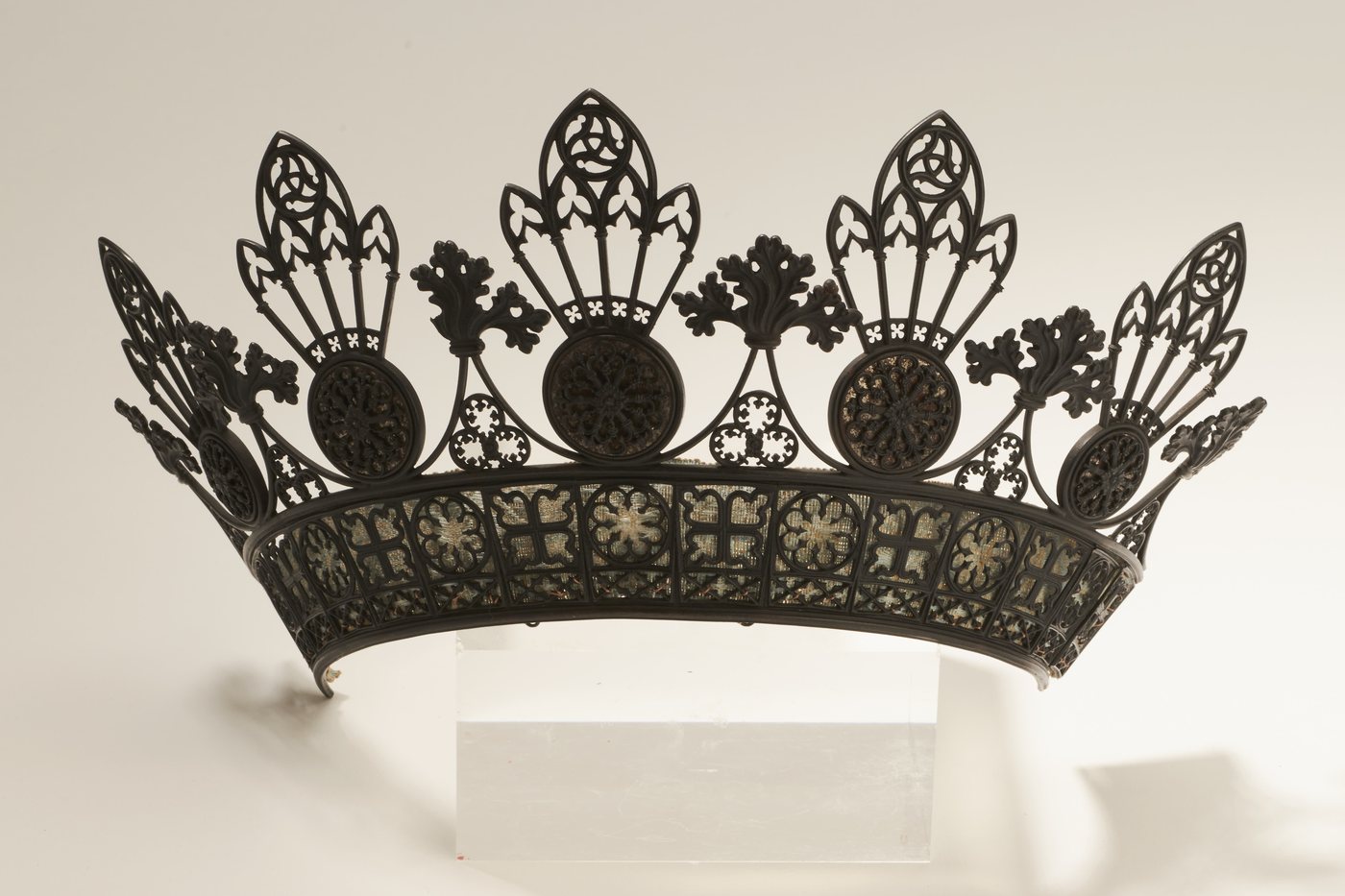
A guide to Regency jewellery (c.1795-1837): Empire fashion, cameos and Neoclassical parures at Napoleon's court, coloured gold and cannetille, Berlin iron and cut steel, acrostic rings, and memorial jewellery for Nelson and Princess Charlotte.
Eras
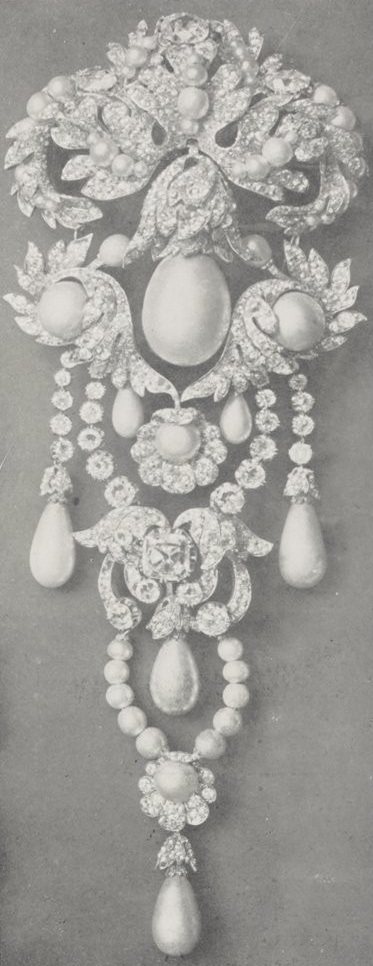
A guide to Victorian jewellery (1837-1901): the Romantic, Grand and Aesthetic periods, the Great Exhibition, gold rushes and 9ct gold, mourning and Whitby jet, archaeological revival, Scottish jewellery, and how to recognise each phase.

Eras
A guide to Arts and Crafts jewellery (c.1880-1920): Ashbee's Guild of Handicraft, Henry Wilson, the Gaskins and Birmingham's Vittoria Street School, Phoebe Traquair, the Glasgow Style, Liberty's Cymric range and American makers.
Eras
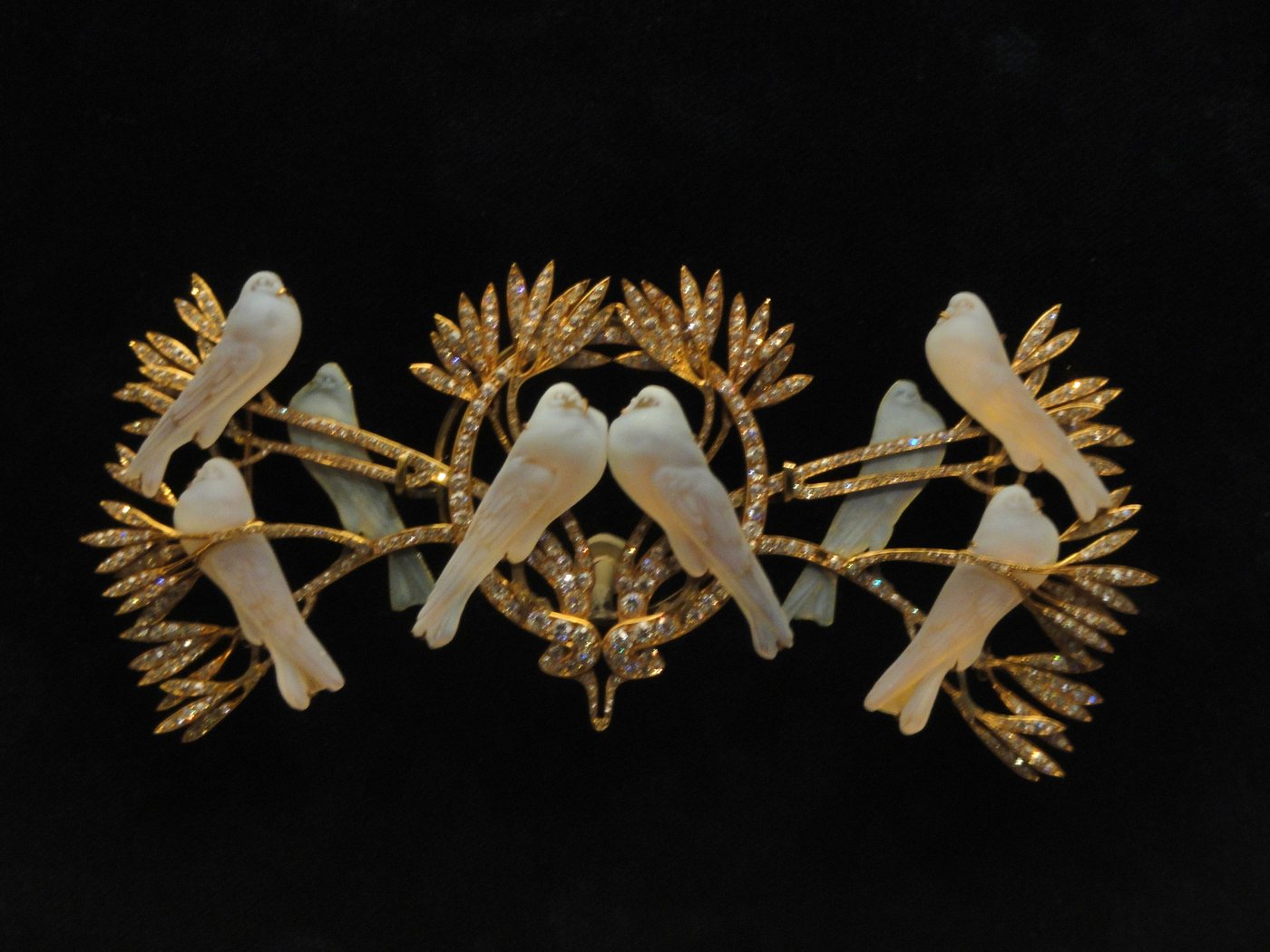
A guide to Art Nouveau jewellery (c.1890-1910): René Lalique and Gulbenkian, Fouquet and Mucha, Vever and Gaillard, plique-à-jour and horn, Jugendstil, Liberty's Cymric range, Tiffany, and the mass-produced silver that spread the style.

Eras
A guide to Edwardian jewellery (1901-1915): platinum and the garland style, Queen Alexandra's dog collars, Cartier, Boucheron and Fabergé in London, the Cullinan diamond, lavaliers, milgrain settings and day jewellery.

Eras
A guide to Art Deco jewellery (c.1915-1935): geometric symmetry, the 1925 Paris Exposition, Cartier's Tutti Frutti and Van Cleef & Arpels' Mystery Set, the modernist jewellers, new stone cuts, Egyptian and Indian influences, and costume jewellery.
Eras
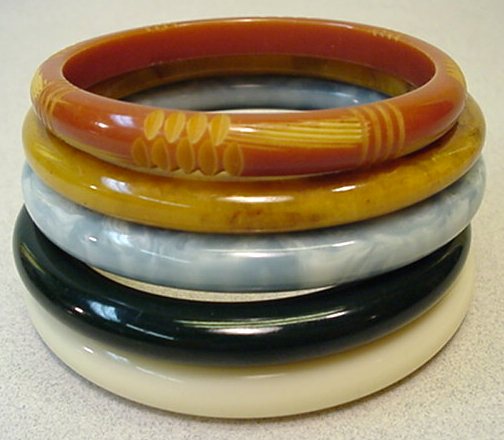
A guide to 1930s jewellery: all-white diamond and platinum, dress clips and double clips, Van Cleef & Arpels' Mystery Set, Belperron and Boivin, Chanel and Schiaparelli, Hollywood, Bakelite and marcasite, and the move towards Retro.

Eras
A guide to 1940s jewellery: wartime platinum bans and the rose-gold Retro style, Cartier's caged bird, Van Cleef & Arpels and Verdura in New York, American costume jewellery in sterling and Lucite, British Utility rings, sweetheart badges and the New Look.

Eras
A chronological guide to jewellery history from the Georgian era to the 1940s - how style, materials and meaning changed decade by decade across Britain, France and the United States.
Eras
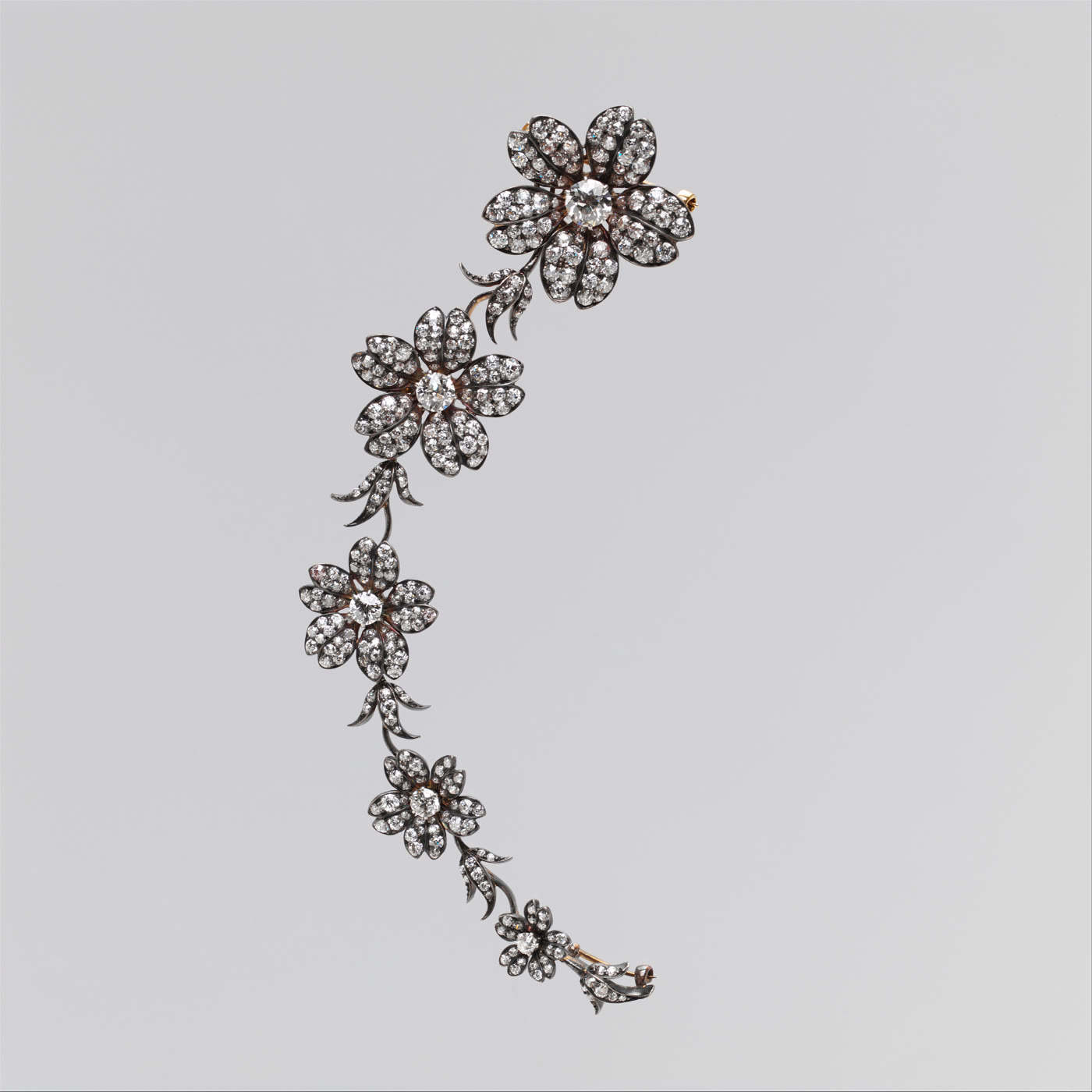
How enormous new industrial wealth fuelled American fine jewellery in the decades after the Civil War, Tiffany & Co.'s major historical role, and the period's close ties to European style.

Eras
How the Castellani of Rome, Carlo Giuliano in London and others revived Etruscan, Greek and Roman goldwork in the 19th century - granulation, filigree, mounted coins and scarabs - and how to recognise revival jewellery and its mass-produced imitations.
Eras
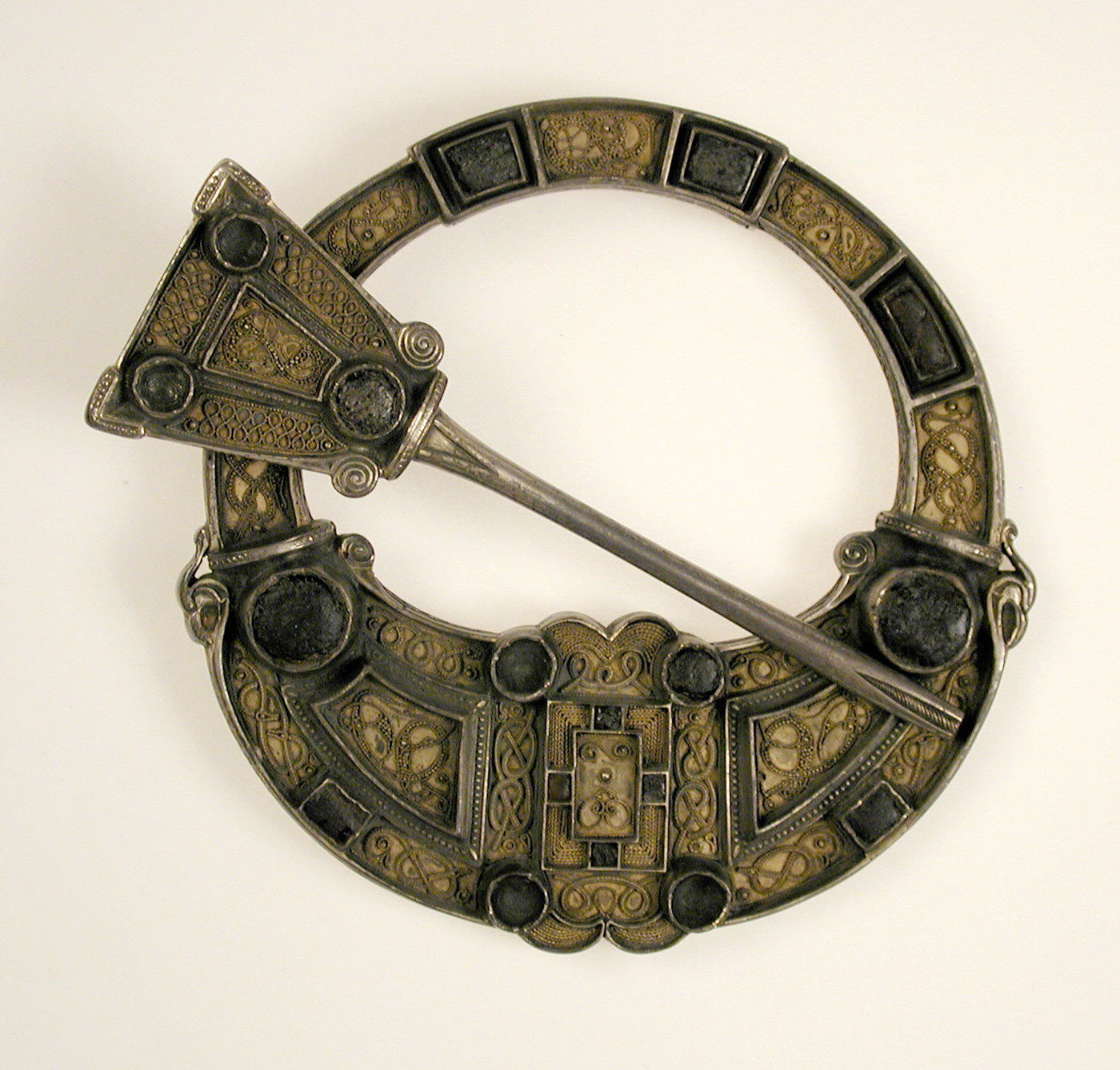
How early medieval Irish and Scottish brooches inspired 19th- and early 20th-century jewellery: Tara Brooch replicas from Dublin, Scottish plaid brooches, Iona silver, Archibald Knox and Liberty, and the interlace to look for.

Eras
Three waves of Egyptian revival jewellery - after Napoleon's Egyptian campaign, in the 1860s around the Suez Canal and Aida, and after Tutankhamun's tomb in 1922 - with scarabs, lotus flowers, winged discs and how to tell revival pieces apart.

Eras
How medieval architecture and romance shaped 19th-century jewellery: French 'cathedral style' of the 1820s-30s, Berlin iron tracery, A.W.N. Pugin's jewellery for the 1851 Great Exhibition, and the quatrefoils, crosses and black-letter inscriptions to look for.