Gemstones
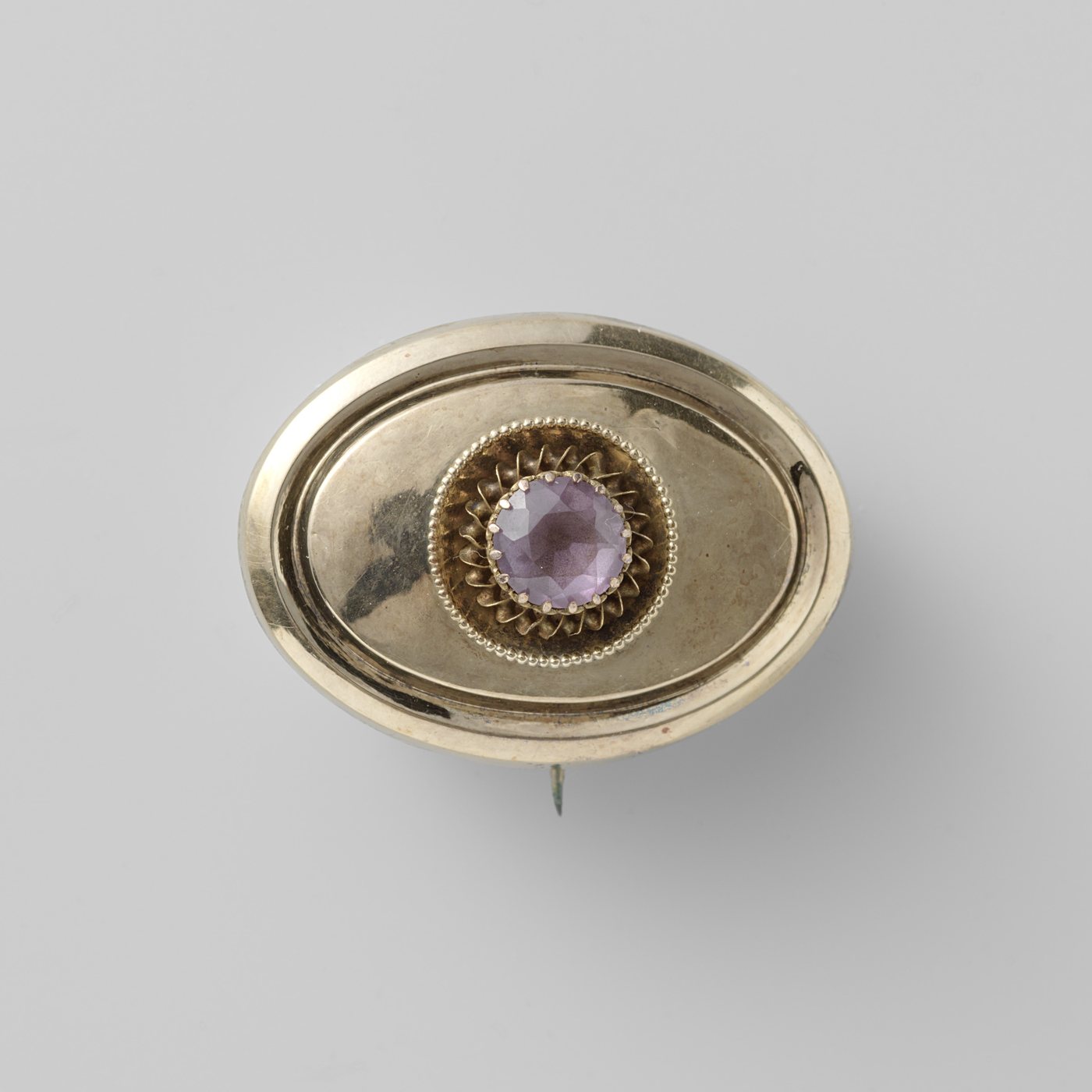
Amethyst in Historical Jewellery
How amethyst went from a costly stone, prized in its deep 'Siberian' colour from the Urals, to an affordable one after Brazilian supply grew, and its royal, ecclesiastical and mourning uses.
Section
14 articles
Gemstones
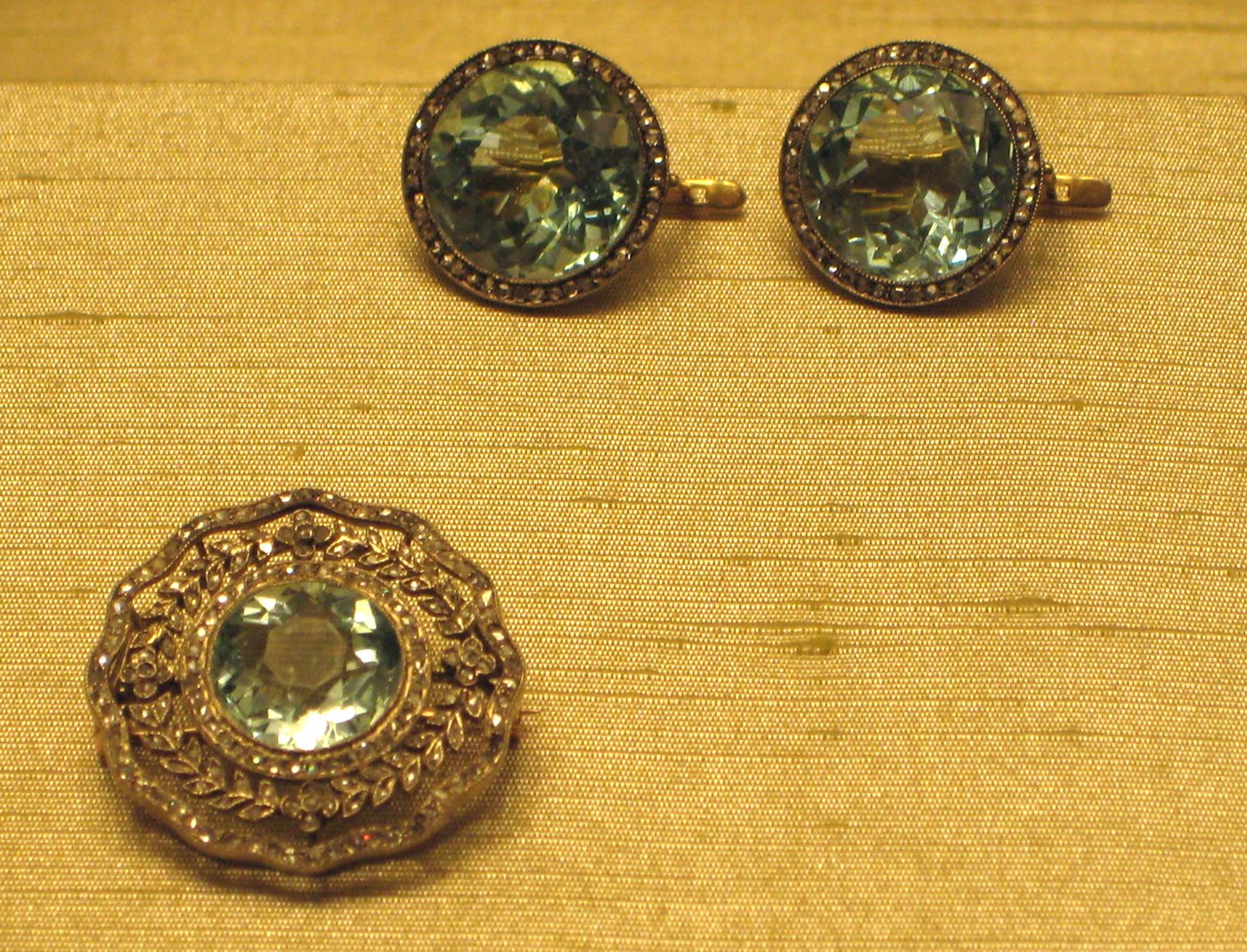
Aquamarine from Brazil and the Urals, its foiled Georgian settings, and why its cool colour and large, clean stones suited Art Deco platinum and bold Retro gold jewellery.

Gemstones
Citrine from Georgian seals and Scottish 'cairngorm' brooches to bold 1930s and 1940s Retro gold, its old trade names as 'topaz', and its long relationship to heat-treated amethyst.
Gemstones
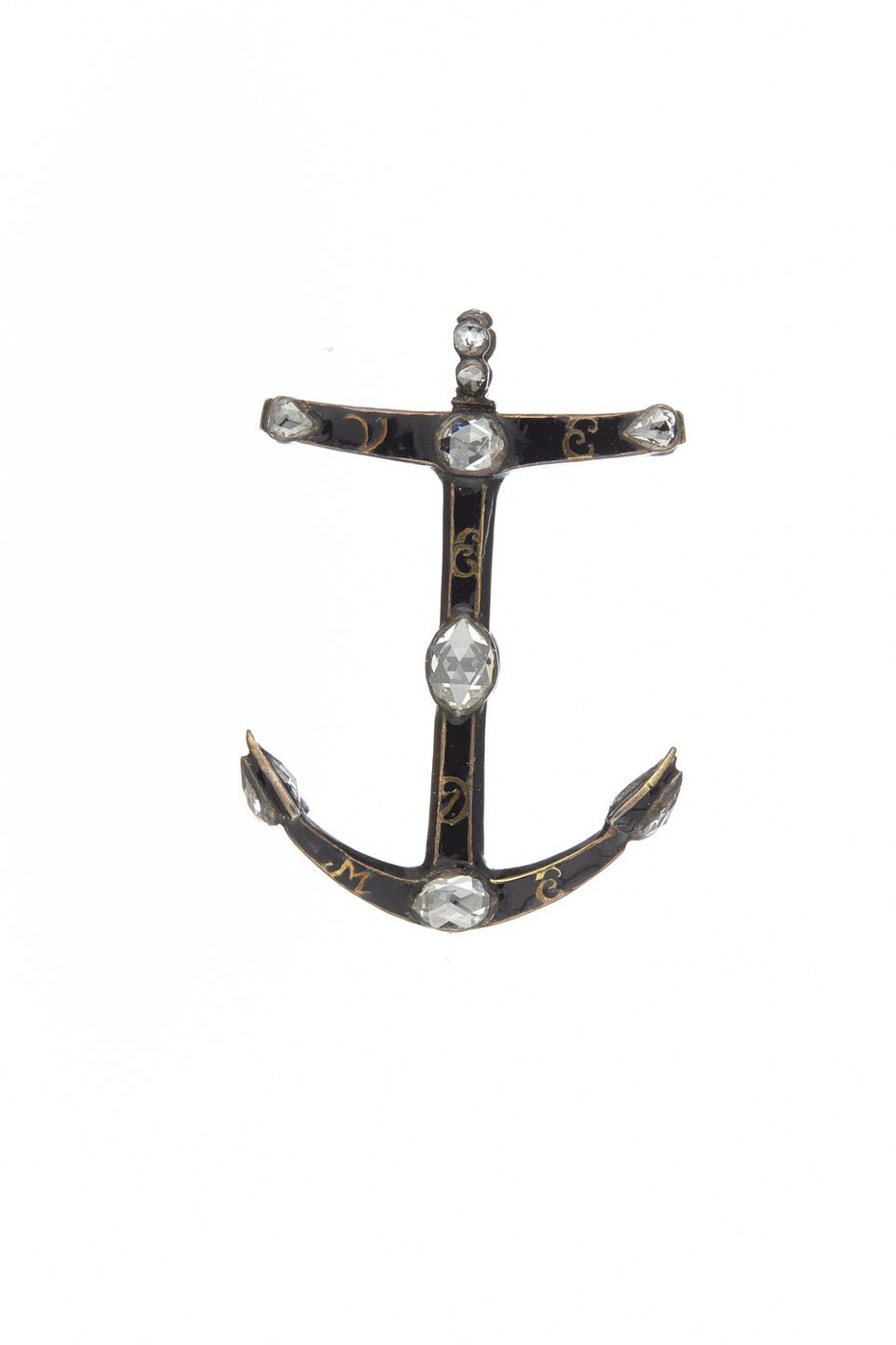
From Indian and Brazilian diamonds to the 1867 South African discoveries and Kimberley, famous stones such as the Regent, Hope and Cullinan, and how diamond cutting and setting changed 1700-1950.

Gemstones
Emerald's status among the precious gemstones, Colombian and Ural sources, Mughal carved emeralds in Art Deco jewels, named royal pieces, oiling, the step cut and the first synthetic emeralds.
Gemstones
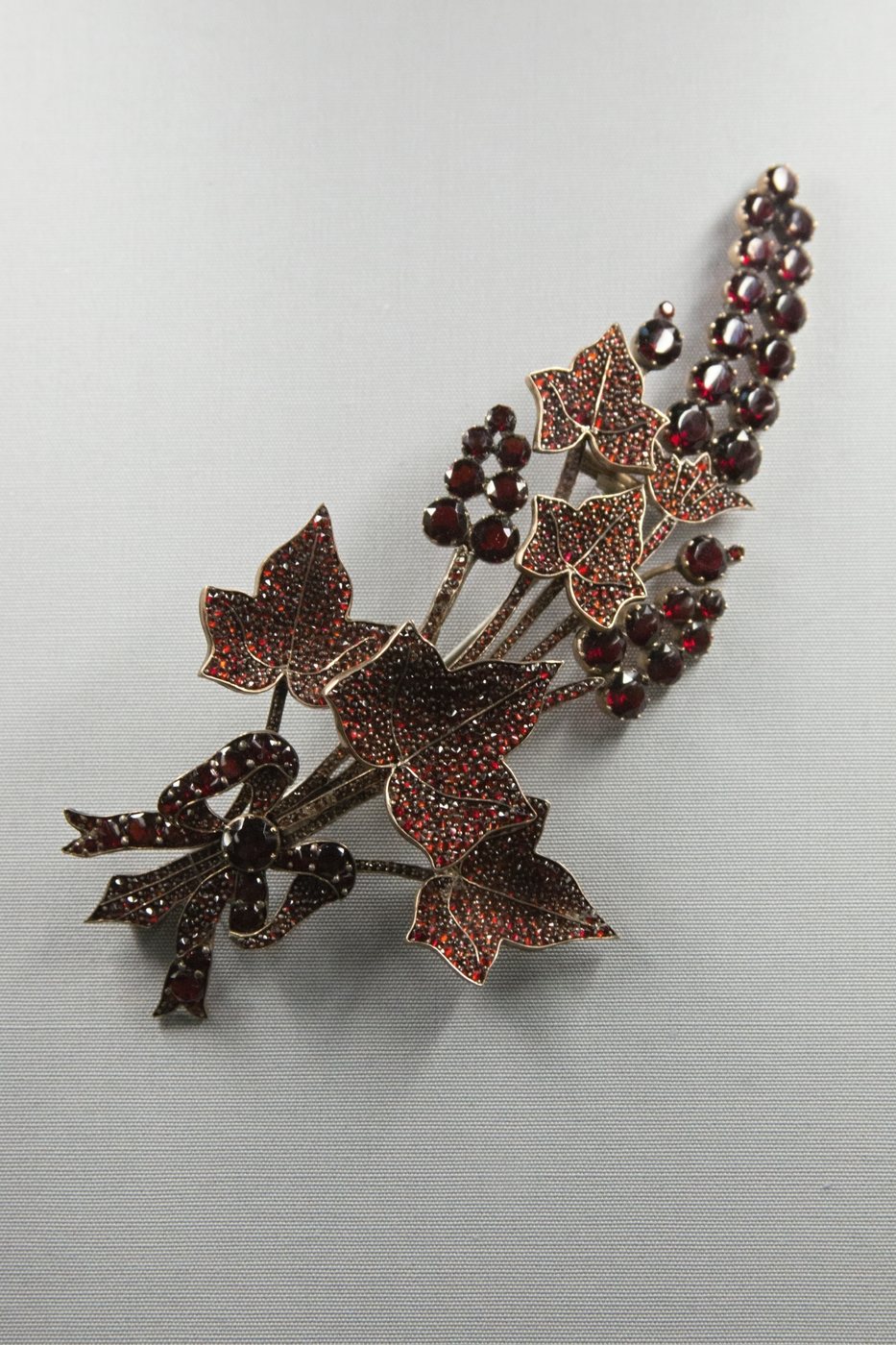
Why Bohemian pyrope garnets from Třebenice, cut and set in Turnov and Prague, became a hallmark of Victorian jewellery, with carbuncles, demantoids, cluster settings and their meanings.
Gemstones
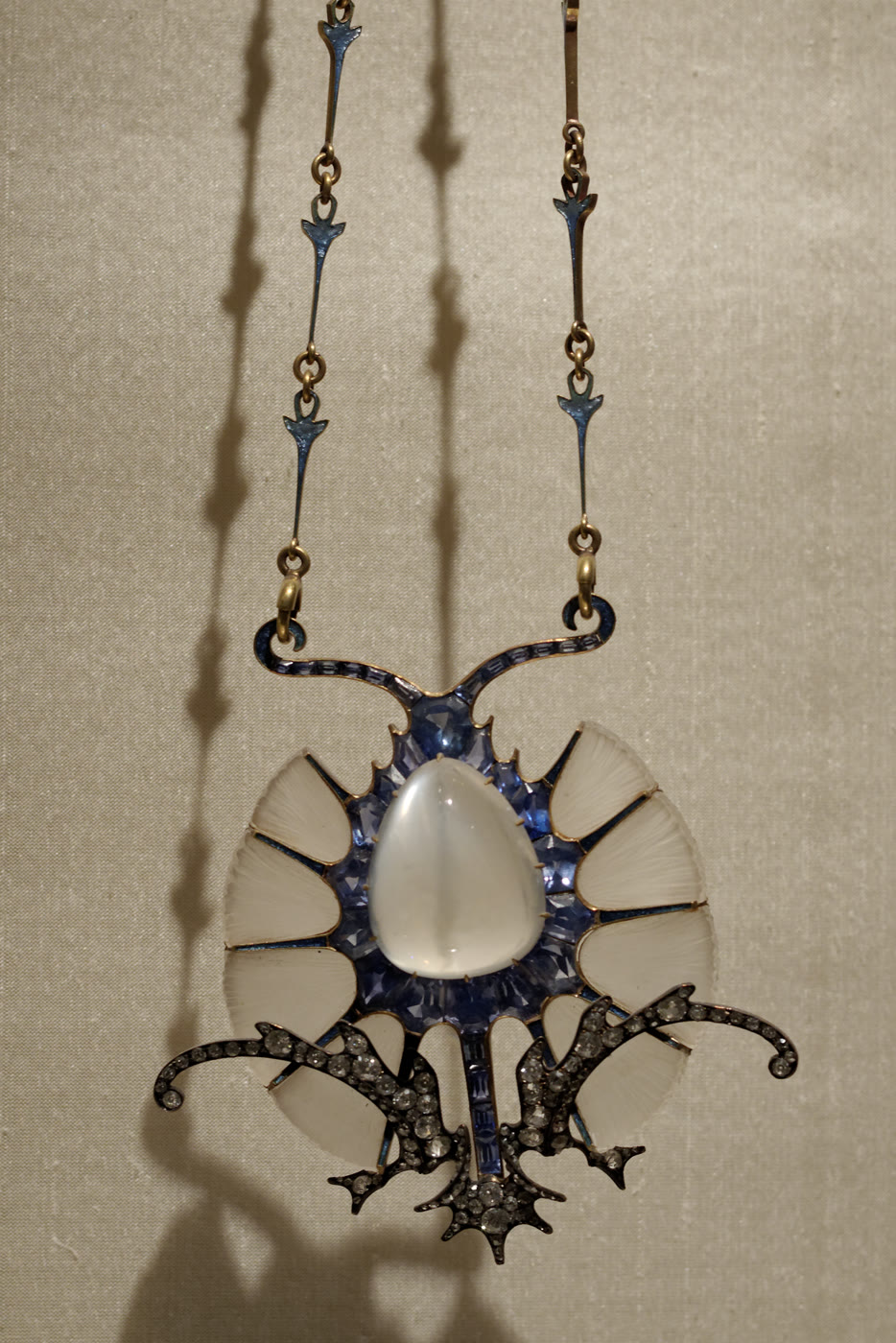
Why Ceylon moonstone's glowing sheen suited René Lalique, Arts and Crafts makers, Georg Jensen and Edwardian jewellers c.1890-1930, with its cabochon cutting, carved faces and settings.
Gemstones
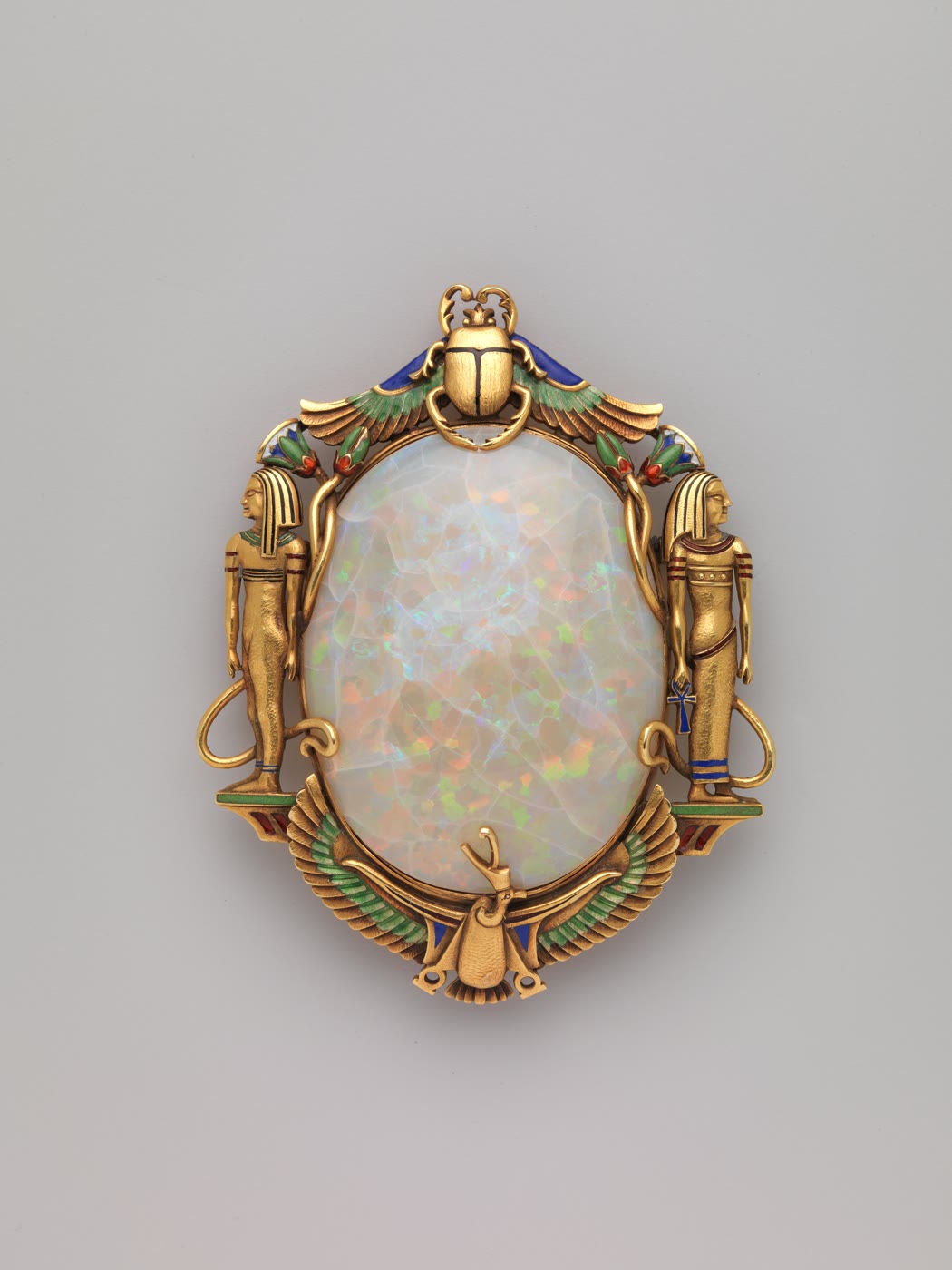
Hungarian and Australian opal, the 'unlucky opal' linked to Walter Scott's 1829 novel, Queen Victoria's opals, and the stone's revival in late Victorian, Edwardian and Art Nouveau jewellery.

Gemstones
Natural pearls from the Gulf and Ceylon, seed-pearl work, Edwardian chokers and ropes, Mikimoto's cultured pearls of the 1910s-20s, imitation pearls, and pearls' bridal and mourning meanings.

Gemstones
Peridot from the Red Sea island of Zabargad and Burma, its older name 'chrysolite', and why its yellow-green colour was fashionable in Edwardian gold and platinum jewellery and Arts and Crafts work.
Gemstones
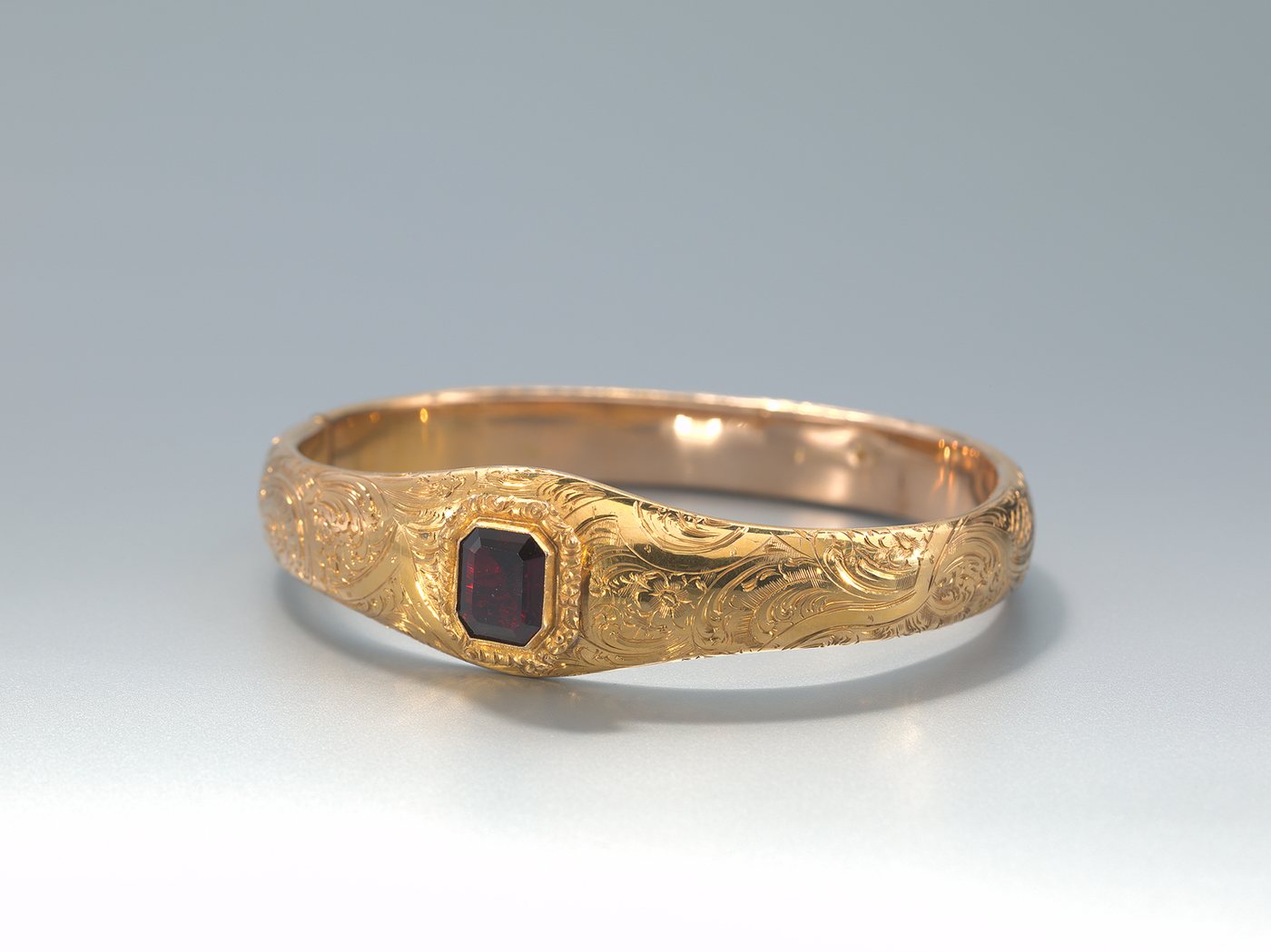
Ruby's status as a precious gemstone, Burmese rubies from Mogok and darker Siam stones, spinels mistaken for rubies, and the arrival of Verneuil's synthetic ruby from about 1902.

Gemstones
Sapphires from Ceylon, Burma and the short-lived Kashmir mines of the 1880s, royal sapphires, the Edwardian sapphire-and-diamond pairing, star sapphires and early synthetic corundum.

Gemstones
Golden 'precious' topaz from Ouro Preto in Brazil, Saxon and Russian topaz, pink 'pinked' and colourless stones, Georgian topaz parures, the loose old use of the name, and modern treated blue topaz.

Gemstones
Persian turquoise from Nishapur in Victorian jewellery: forget-me-not clusters, pavé snakes, Queen Victoria's bridesmaids' brooches, Arts and Crafts 'matrix', imitations and colour change.