Silver in Historical Jewellery
Silver as gold's cheaper alternative, silver-topped gold settings, the Victorian silver fashion of the 1870s-80s, Birmingham's Jewellery Quarter, and Arts and Crafts silver from Ashbee to Liberty and Jensen.
Silver runs through jewellery history in two rather different roles: as a less costly metal in its own right, and as a specific, technical component even within fine gold jewellery, where its colour served a purpose gold’s could not match.

Silver as a Lower-Cost Alternative to Gold
Between 1700 and 1950 silver served as the obvious less expensive alternative to gold for jewellery aimed at buyers who wanted a genuine precious metal without gold’s cost. Silver jewellery was produced at every level of quality, from simple, mass-produced pieces to finely worked silver items using techniques such as filigree, and it remained a staple metal for brooches, bracelets, buckles and mourning jewellery throughout the Georgian and Victorian periods. Because silver is significantly less costly than gold, it also made more elaborate or larger-scale designs affordable to buyers for whom the same design in gold would have been out of reach.
British silver jewellery was normally sterling - 925 parts of silver per thousand, alloyed with copper for hardness. Between 1697 and 1720 the higher Britannia standard (958) was compulsory for wrought plate, and it remained an optional standard afterwards. In the 18th century silver was the usual metal for shoe buckles, the settings of paste and of diamonds, and much everyday jewellery, while Scottish and provincial makers produced silver brooches such as the heart-shaped luckenbooth.
Silver-Topped Gold Settings: A Specific Technical Role
One of silver’s most distinctive and least obvious historical uses in jewellery is as the visible metal in settings for diamonds and other pale gemstones, even in pieces that are otherwise gold. In silver-topped gold construction, the front, visible part of a setting - the part actually surrounding and reflecting light into the stone - is made of silver, while the back and structural body of the piece is gold, giving the combined setting the strength and durability of gold with the neutral, colour-true appearance of silver where it mattered most. This technique addressed a real optical problem: gold’s warm yellow tone can subtly tint the apparent colour of a pale stone set close against it, particularly a foiled or closed-back stone reliant on reflected light, whereas silver’s cooler, neutral tone does not introduce that warmth. Silver-topped gold settings were standard in 18th and 19th-century diamond jewellery until platinum replaced them around 1900, especially for diamonds and other colourless or pale stones intended to read as bright and white.
The Victorian Silver Fashion
Silver jewellery was a modest, often provincial product for much of the early 19th century, but in the mid-1870s it became high fashion in Britain. The discovery of the Comstock Lode in Nevada in 1859 and other new mines had made silver more plentiful, and its price fell sharply in the 1870s. Through the late 1870s and 1880s fashionable women wore large silver lockets on collar-like chains, wide hinged bangles, heavy silver collars, and brooches engraved with flowers, birds, horseshoes and sporting motifs. Many were decorated with applied gold in two or three colours in the Japanese-influenced Aesthetic taste. Name brooches with “Mizpah”, “Mother” or a girl’s name, and silver sweetheart and souvenir pieces, were made in great numbers.
Birmingham’s Jewellery Quarter
Most of this silver jewellery came from Birmingham’s Jewellery Quarter, in Hockley, north-west of the city centre, where hundreds of small workshops and larger factories stamped, pierced, engraved and assembled jewellery by the late 19th century. Birmingham’s assay office, opened in 1773 with the anchor as its town mark, was the busiest in Britain for jewellery; see What Is an Assay Office Mark?. Chester’s assay office also marked a large share of Birmingham-made silver. Even so, many small silver pieces were exempt from hallmarking and carry only “STERLING” or no mark at all.
Tarnish and Maintenance
Silver’s principal practical drawback relative to gold is its tendency to tarnish, reacting with sulphur compounds in the air to form a dark surface layer that dulls its bright white colour over time. This means silver jewellery generally requires more regular cleaning and maintenance to keep its intended bright appearance than comparable gold jewellery, which does not tarnish in the same way. Tarnish is not necessarily a sign of poor-quality silver or careless treatment; it is a normal characteristic of the metal that any silver piece will develop with time and air exposure.
Silver and the Arts and Crafts Movement
Silver took on a particular symbolic role in Arts and Crafts jewellery from the later 19th century onward. Where much fashionable jewellery of the preceding decades prized costly materials and elaborate display, Arts and Crafts designers deliberately favoured silver, along with semi-precious stones and hand-worked construction, as an honest, less overtly precious material better suited to the movement’s emphasis on craftsmanship and design over intrinsic material value. This was a considered aesthetic and even ethical choice within the movement, rather than simply a matter of cost, and it helped establish silver’s continuing association with more design-led, less status-driven jewellery in the decades that followed.
C.R. Ashbee’s Guild of Handicraft, founded in London in 1888, made hand-raised silver jewellery set with cabochon stones and enamel. Liberty & Co. launched its “Cymric” range of silver and gold in 1899, with designs by Archibald Knox and others made in Birmingham by W.H. Haseler. In Denmark, Georg Jensen opened his Copenhagen silversmithy in 1904, and the brooch above, with amber and green chalcedony, comes from its first years. Silver of this kind - hammered, set with moonstones, turquoise, amethyst or enamel - was a deliberate alternative to gem-set gold.
Silver in the 20th Century
In the 1920s and 1930s silver was the usual setting for marcasite and for French paste, and the silversmiths of Taxco in Mexico, revived by the American designer William Spratling from about 1930, made bold silver jewellery for the American market. During the Second World War, when base metals were restricted in the United States, American costume jewellery makers turned to sterling silver, often gilded; see 1940s Jewellery.
How to Recognise Silver Jewellery’s Period
Hallmarks, where present, can help narrow the date, origin and standard of a silver piece considerably, though marking practices and standards varied across countries and periods, and interpreting them reliably generally benefits from specialist reference. The lion passant shows sterling in British marks, and a sovereign’s head duty mark appears on British silver between 1784 and 1890. Overall design, construction technique and surface condition, including patterns of tarnish and wear, can also offer clues to a piece’s likely period alongside its marks. These observations are useful starting points rather than certain proof, and confirming a piece’s date and origin is best done with the help of a specialist.
Frequently Asked Questions
Is silver jewellery always less valuable than gold jewellery? Not necessarily in every sense - while silver is generally a less costly raw material than gold, a silver piece’s craftsmanship, design, period, condition and maker can matter as much or more to its overall significance than the metal alone.
Why do some gold rings have a whitish-looking setting? This may be a silver-topped gold setting, a specific historical technique used to keep a pale stone looking bright and colour-true rather than being warmed by gold’s own colour; a jeweller can confirm this by examining the piece directly.
Read next

Eras
Arts and Crafts Jewellery
A guide to Arts and Crafts jewellery (c.1880-1920): Ashbee's Guild of Handicraft, Henry Wilson, the Gaskins and Birmingham's Vittoria Street School, Phoebe Traquair, the Glasgow Style, Liberty's Cymric range and American makers.
Eras
Georgian Jewellery
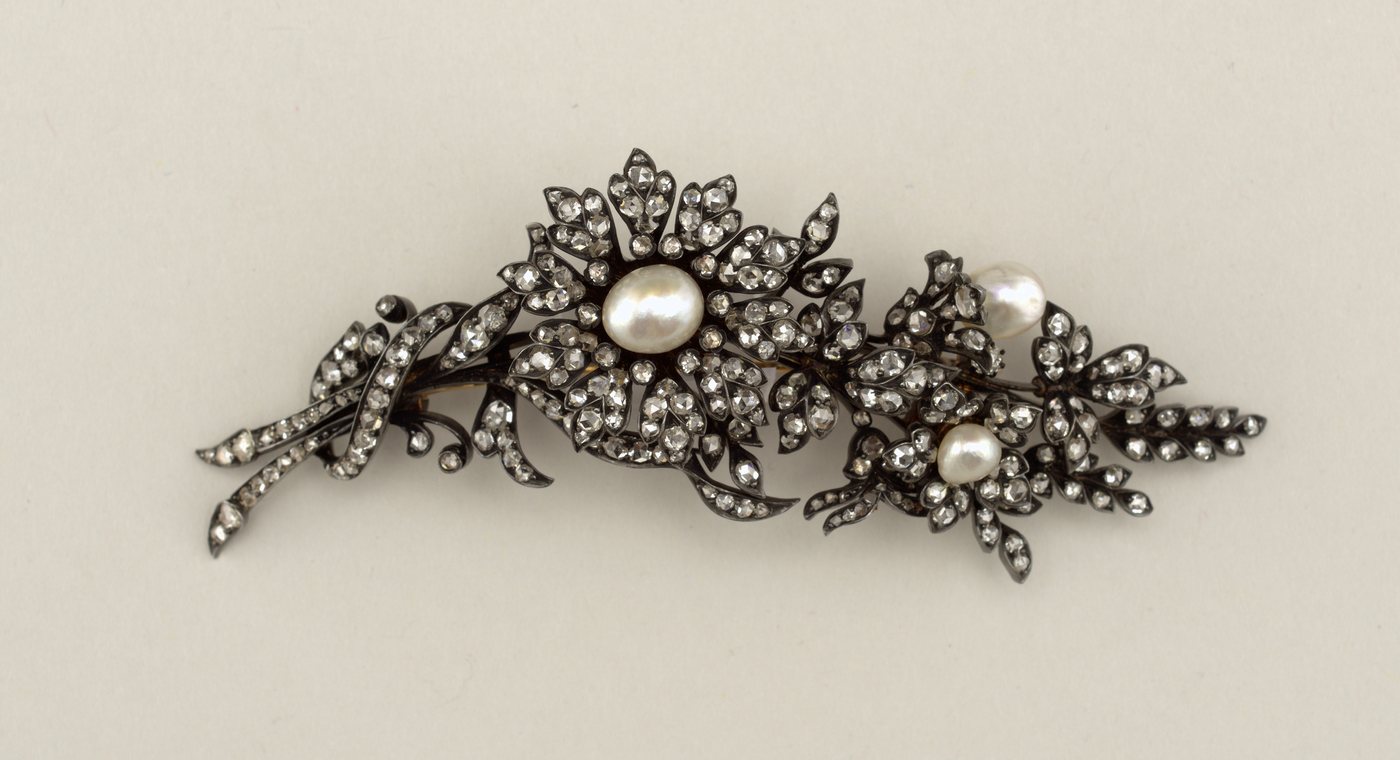
A guide to Georgian jewellery (1714-1837): Brazilian diamonds, closed-back foiled settings, rococo and Neoclassical styles, paste, cut steel and pinchbeck, sentimental miniatures, girandoles, rivières and Sévigné bows.
Eras
Victorian Jewellery
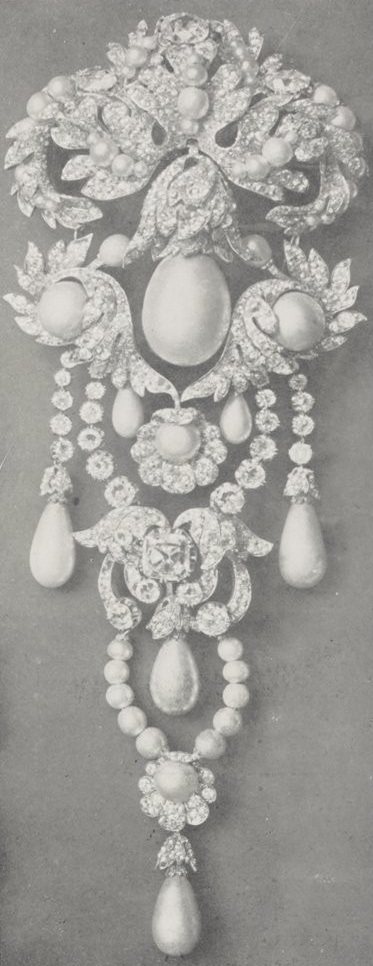
A guide to Victorian jewellery (1837-1901): the Romantic, Grand and Aesthetic periods, the Great Exhibition, gold rushes and 9ct gold, mourning and Whitby jet, archaeological revival, Scottish jewellery, and how to recognise each phase.

Materials
Gold in Historical Jewellery
How gold standards, supply, colour and working methods changed from Georgian to 1940s jewellery - the 1854 standards, the gold rushes, bloomed and coloured gold, rolled gold - and gold's imitations.
Materials
What Is Paste Jewellery?
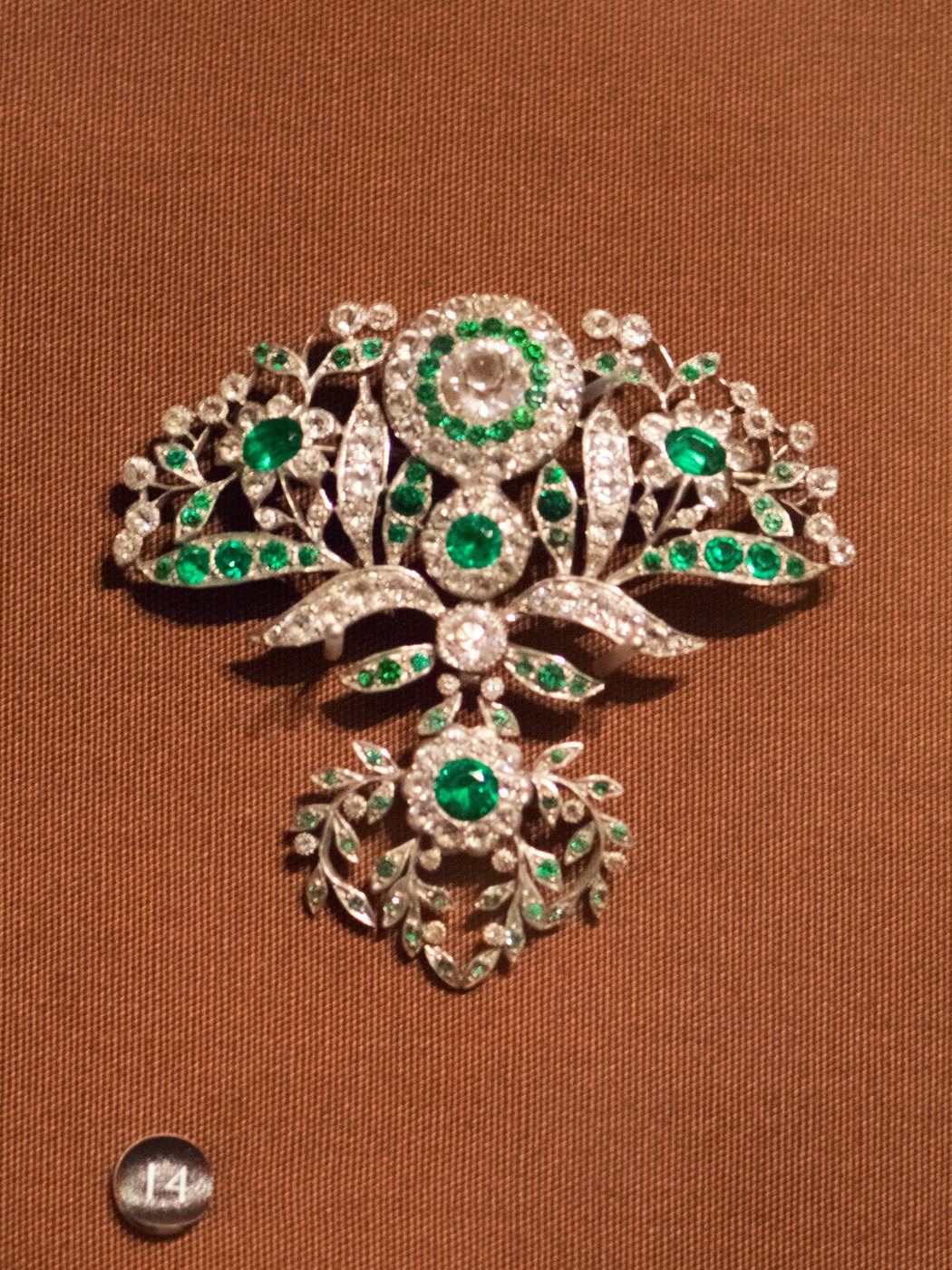
What paste jewellery is, from English lead glass and Georges Frédéric Strass in Paris to foiled closed settings, black-dot culets and later Bohemian stones, and why fine paste is collected today.
Techniques
What Is Filigree?
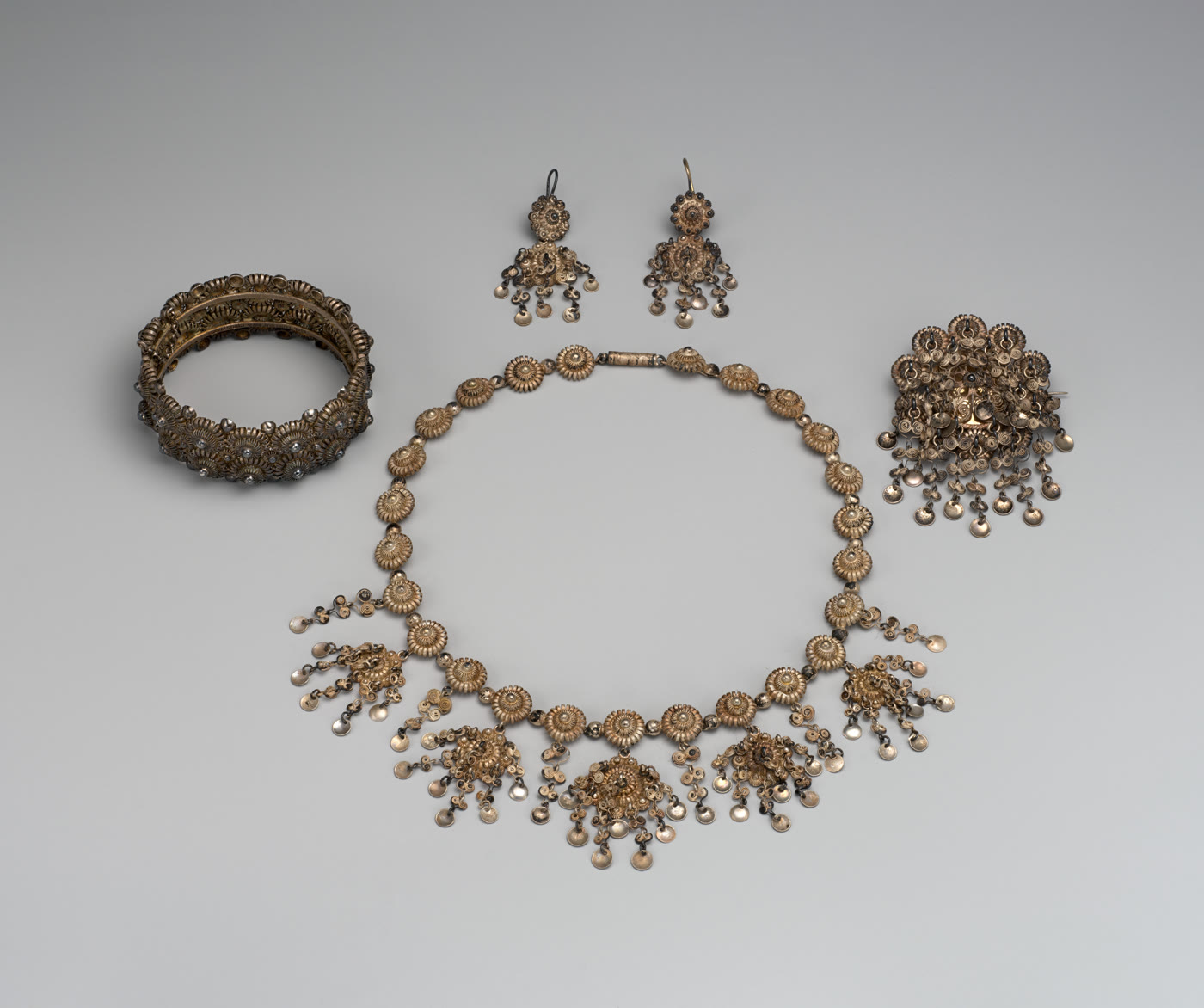
What filigree is, how the wire was drawn and soldered, cannetille c.1815-40, Genoese, Maltese and Portuguese filigree, Castellani revival work and die-struck 1920s 'filigree' rings.