What Is a Friendship Bracelet, Historically?
The Georgian and Victorian sentimental bracelet tradition behind the term 'friendship bracelet' - hair bracelets, inscribed clasps and gate bracelets, a different practice from today's woven thread bands.
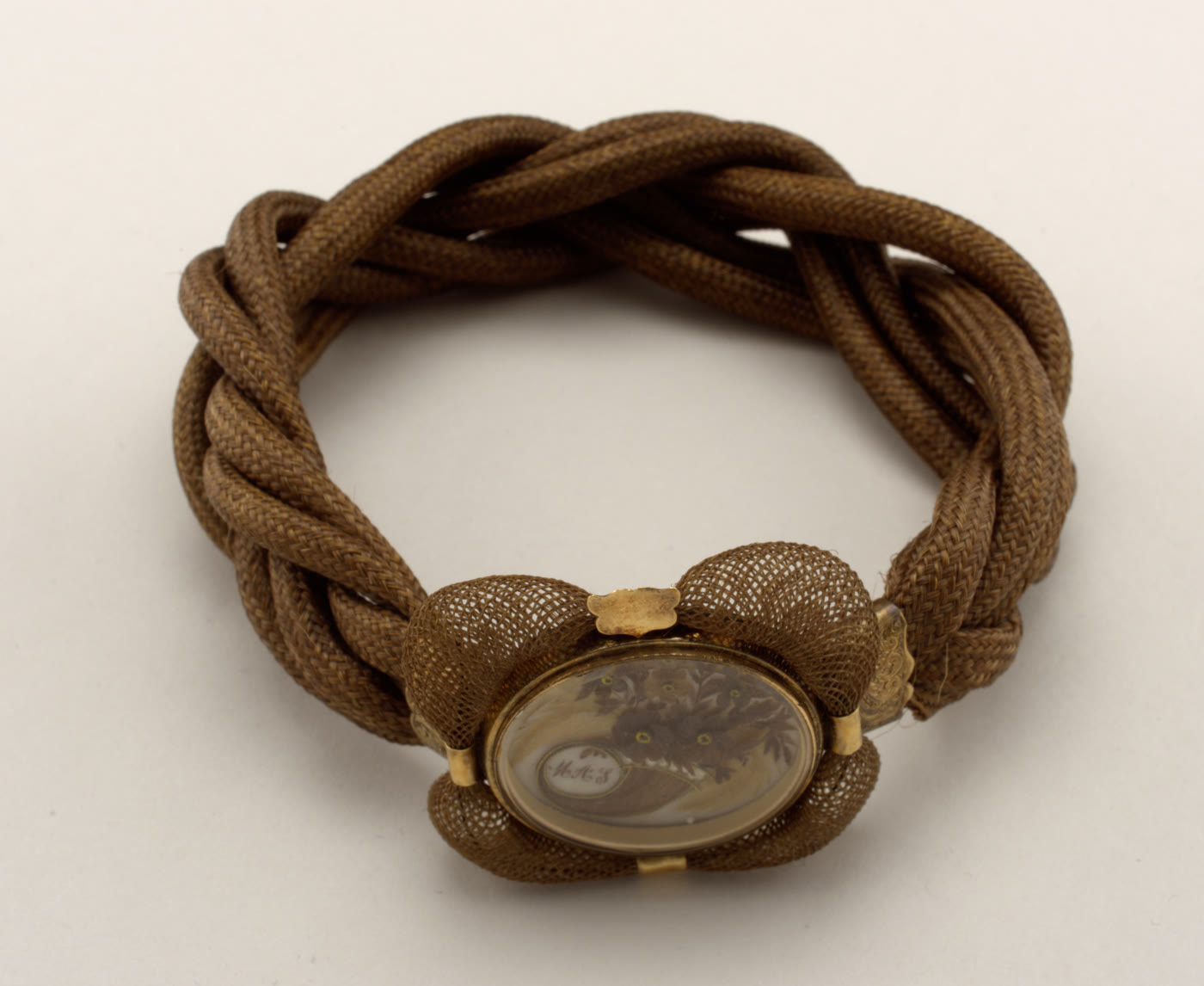
Before “friendship bracelet” meant a woven band of embroidery floss, it described a very different object: a sentimental bracelet, often incorporating hair or an engraved inscription, exchanged between two people - friends, lovers, or family - as a token of attachment during the Georgian and Victorian periods.
Two Different Traditions, One Name
The term is ambiguous today. The friendship bracelet most people picture now - a colourful band of knotted embroidery thread, associated with summer camps and festival fashion - is a separate and much more recent craft. It spread in the United States in the 1970s, and its knotting patterns are often linked to Central and South American textile traditions. The historical friendship bracelet belongs to an earlier and materially different category: fine goods made in gold, hair, enamel or gemstones, bought from a jeweller or commissioned rather than made as a craft accessory.
The 18th-Century Cult of Friendship
The idea of a bracelet as a pledge of friendship grew out of the late 18th-century culture of sensibility, in which close friendships, particularly between women, were celebrated in letters, poetry, portraits and keepsakes. In France the phrase “gage d’amitié” - a pledge of friendship - appears on jewellery and small boxes of the period, and English pieces carry equivalent mottoes such as “Friendship” or “Ever thine”. Bracelets of this date were often worn in pairs, one on each wrist, and the clasp was the important part: a large oval or rectangular plaque that might hold a portrait miniature, a cipher of initials in gold wire over a ground of woven hair, or a small painted scene of an altar of friendship or a pair of doves.
Typical Forms
The historical sentimental bracelet took several forms:
- Woven hair bracelets. Hair from the giver, braided into a flat band or hollow cord and finished with a gold clasp. These were made throughout the first half of the 19th century and reached their peak in the 1850s and 1860s, when commercial hairworkers and home-made pieces were both common. See What Is Hair Jewellery?.
- Clasp bracelets with a hair compartment. A band of gold links, velvet ribbon or beads with a glazed compartment in the clasp, sometimes combined with a monogram or an inscribed date on the reverse.
- Engraved bangles. From the mid-19th century, plain or lightly engraved gold bangles carried initials, a name or a short motto. Late Victorian silver “name” bangles, with a first name pierced or applied across the front, were cheap enough to be given between friends and sisters.
- Gate bracelets. From the 1880s well into the 20th century, Birmingham manufacturers in particular produced large numbers of 9ct gold gate bracelets - flexible lattices of links - fastened with a heart-shaped padlock. The padlock, sometimes with a tiny key kept by the giver, made the friendship or love message explicit.
- Paired bracelets. Some bracelets were made as two nearly identical pieces and given one each to two people - a bride and groom, two close friends, or a parent and child - echoing the same logic later seen in Mizpah jewellery and other paired sentimental tokens.
Materials and Construction
Gold was the standard metal for finer examples, often combined with black or coloured enamel bands, seed pearls, or small gemstones chosen for symbolic meaning as much as visual effect - turquoise for “forget-me-not” associations, or pearls for tears. Lover’s knots, clasped hands and hearts are common clasp motifs. Hair-worked bracelets required specialist technique to plait or weave the hair into a stable pattern before it was mounted, and surviving examples vary enormously in the skill and fineness of that work. Clasps were frequently a focal decorative point in their own right, sometimes taking the form of a locket compartment or bearing an inscription on the reverse. Less expensive Georgian clasps were made in pinchbeck rather than gold, and from 1854 onwards 9ct and 15ct gold put inscribed bracelets within reach of a much wider market.
Social Context
Exchanging a personal token, particularly one incorporating hair, was an established convention across the 18th and 19th centuries, sitting alongside other sentimental forms such as lover’s-eye jewellery and acrostic pieces spelling out a sentiment through the first letters of set gemstones. Schoolgirls and young women exchanged locks of hair along with entries in friendship albums, and a bracelet made from a friend’s hair was a more lasting version of the same exchange. A bracelet given between friends carried the same underlying logic as one given between lovers or within a family: it made an emotional bond visible and permanent, worn on the body rather than kept privately. Unlike mourning jewellery, these pieces did not necessarily mark a loss - many were given and worn during the relationship itself, as an ongoing declaration rather than a memorial.
Distinguishing Historical Examples From Later Pieces
An 18th- or 19th-century sentimental bracelet is typically identifiable by its materials and construction - gold, pinchbeck or gold-filled metal, enamel work, glazed hair compartments, and hand-engraving - none of which resemble the knotted-thread construction of the modern craft bracelet. Hallmarks help with later pieces: a Birmingham anchor with a 9ct or 15ct mark places a gate bracelet or bangle after 1854. Because the phrase “friendship bracelet” is applied so broadly today, anyone researching an inherited historical piece is better served searching under more specific terms such as hair jewellery, sentimental jewellery, gate bracelet, or the bracelet’s particular construction.
Frequently Asked Questions
Is a historical friendship bracelet the same as a mourning bracelet? Not necessarily - it could be given between living people with no connection to death, though hair-worked examples share techniques with mourning jewellery and the two categories can overlap.
Why did hair feature so often in these pieces? Hair was seen as a literal, durable piece of the giver, changing little over time, which made it a natural material for a token meant to represent lasting attachment; see What Is Hair Jewellery? for more on the practice.
Read next
Eras
Georgian Jewellery
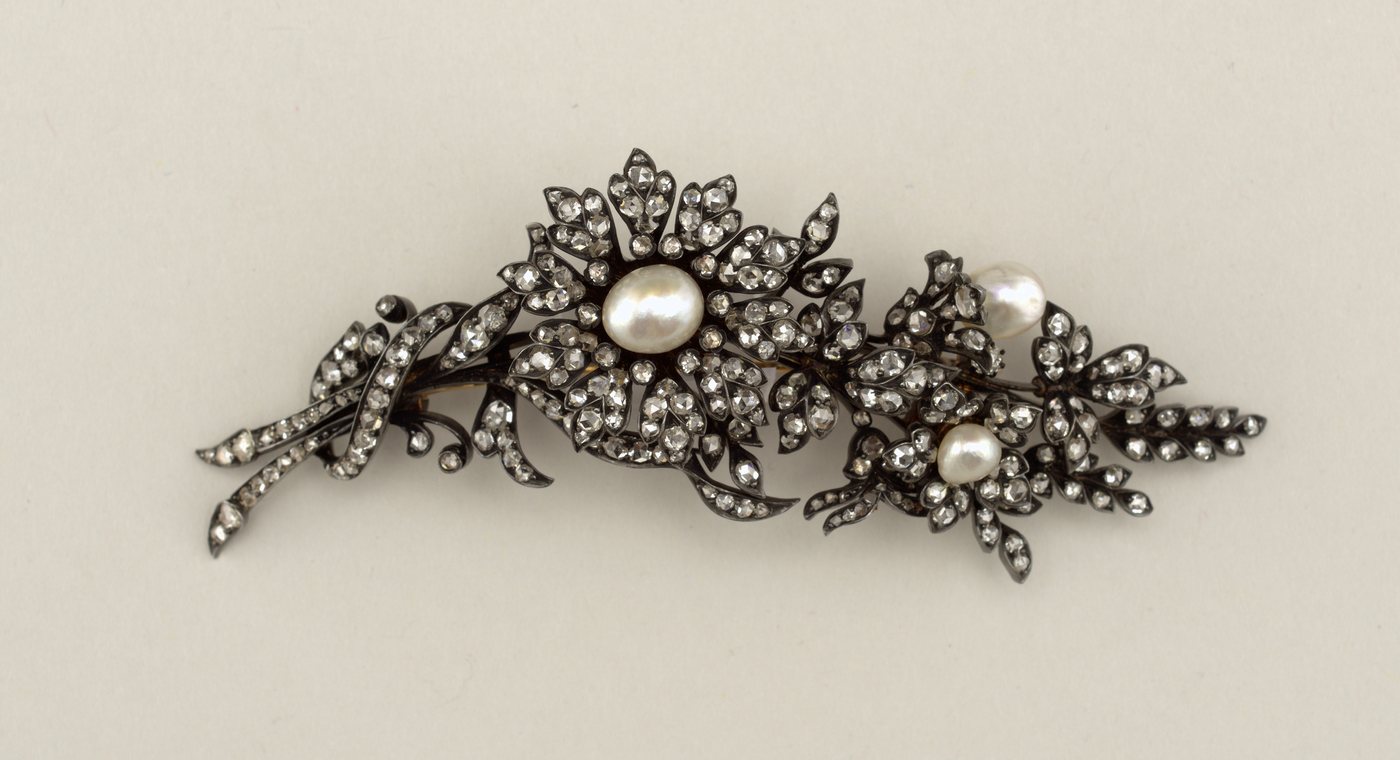
A guide to Georgian jewellery (1714-1837): Brazilian diamonds, closed-back foiled settings, rococo and Neoclassical styles, paste, cut steel and pinchbeck, sentimental miniatures, girandoles, rivières and Sévigné bows.
Eras
Victorian Jewellery
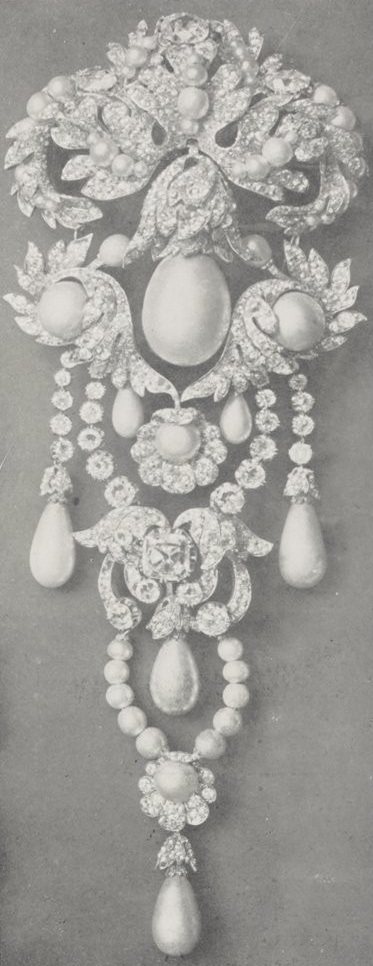
A guide to Victorian jewellery (1837-1901): the Romantic, Grand and Aesthetic periods, the Great Exhibition, gold rushes and 9ct gold, mourning and Whitby jet, archaeological revival, Scottish jewellery, and how to recognise each phase.
Mourning & Sentimental
What Is Acrostic Jewellery?
What acrostic jewellery is, how REGARD and DEAREST rings spell words in gemstones, the Paris jewellers who popularised it, and why it is sentimental rather than mourning jewellery.

Mourning & Sentimental
What Is Hair Jewellery?
What hair jewellery is, how table-work and palette-work hairwork were made, the hairworkers and manuals behind the craft, and why it served sentimental as well as mourning purposes.
Mourning & Sentimental
What Is Lover's Eye Jewellery?
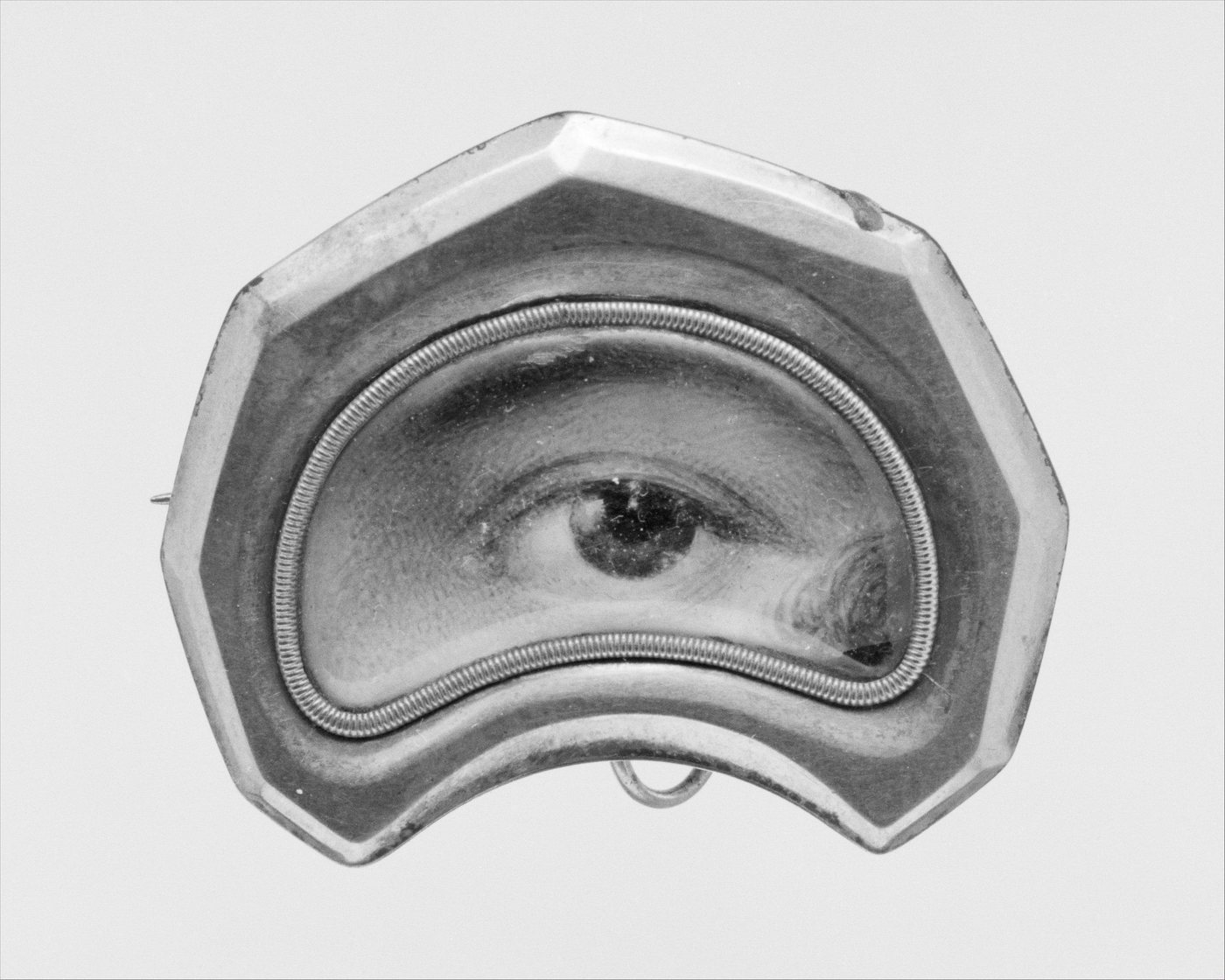
What lover's eye jewellery is, the Prince of Wales, Maria Fitzherbert and Richard Cosway story behind it, how eye miniatures were painted and mounted c.1785-1830, and why they are rare.
Mourning & Sentimental
What Is Mourning Jewellery?
What mourning jewellery is, how it developed from Stuart and Georgian memorial rings, why it peaked in Victorian Britain after Prince Albert's death in 1861, and the etiquette and materials behind it.