What Is a Bandeau Tiara?
What a bandeau tiara is, why it sits low across the forehead rather than up over the crown, and how bobbed hair and cloche hats made the form fashionable in the 1910s and 1920s.
A bandeau tiara is a narrow band of jewellery worn low across the forehead, rather than rising up over the crown of the head as a traditional tiara does, and was especially fashionable in the 1910s and 1920s.

What Is a Bandeau Tiara?
The bandeau tiara is best understood as a specific, low-set variant of the broader tiara form covered in other articles: rather than a curved frame that rises to a peak or graduated pattern above the forehead, a bandeau sits flat and horizontal, encircling the head at or just above eyebrow height. The name borrows directly from “bandeau” as a term for a narrow headband, and the jewellery form follows that plainer, closer-fitting silhouette rather than the taller, more architectural shape of an earlier Victorian tiara.
How to Recognise It
Look for a narrow, relatively flat band, worn horizontally low across the forehead rather than rising above the hairline, often set with geometric or repeating patterns of diamonds and other stones rather than the naturalistic scrollwork typical of earlier 19th-century tiaras. The fitting on the reverse is usually designed to sit snugly against a low hairline or a close-fitting hairstyle, rather than accommodating the piled-up hair a taller Victorian tiara required.
When Was It Worn?
The bandeau tiara was worn for formal evening occasions, in keeping with the tiara’s general role as ceremonial and evening jewellery, and was at its most fashionable from around 1910 through the mid-1920s.
Origins
The bandeau form developed as one of several tiara variants popular in the late Edwardian period, and it grew markedly more fashionable through the 1910s and into the 1920s, a shift closely tied to changing hairstyles and headline fashion rather than to any single inventor or maker.
How It Changed Over Time
Where earlier Victorian and Edwardian tiaras were often designed to sit above elaborately dressed, piled-up hair, the bandeau tiara’s low, close-fitting shape suited the shorter, closer-cropped hairstyles that became increasingly fashionable through the 1910s and, especially, the bobbed hair of the 1920s. As hemlines rose and the overall fashionable silhouette grew leaner and more geometric through the 1920s, bandeau tiaras followed suit, moving from the lighter, lace-like “garland style” diamond settings of the late Edwardian period toward the bolder, more angular geometric patterns characteristic of Art Deco design. The style’s practicality - it did not require, or interfere with, an elaborate hairstyle - suited short hair, and its low line across the forehead echoed that of the close-fitting cloche hats worn by day through the 1920s, rather than the taller headline an earlier tiara demanded.
Materials
Platinum, valued for its strength in fine, minimal settings, became the preferred metal for the finest diamond bandeau tiaras of this period, continuing the broader early 20th-century shift away from gold and silver for top-tier diamond jewellery. Gold remained in use for less costly versions, and paste offered an affordable imitation of the fashionable diamond bandeau look for a wider market.
Construction
A bandeau tiara is built as a narrow band, typically hinged or articulated in sections to follow the curve of the head comfortably, with stones set in a continuous or repeating pattern along its length. Like other fine tiaras, many bandeaux were engineered to convert into a bracelet or necklace when not worn as a head ornament, extending the usefulness of an expensive piece.
How It Was Worn
Worn low across the forehead, at or just above the eyebrows, secured into the hair with pins or a fitted comb base, in contrast to the higher, more peaked placement of an earlier Victorian tiara.
Who Wore It?
The bandeau tiara was women’s formal evening jewellery, worn by the same broadly fashionable and wealthy society that wore tiaras generally, reflecting the era’s fashionable taste for a lower, closer-fitting headline.
Notable Variations
- Tiara - the broader category of formal head ornament that the bandeau tiara is a specific, low-set variant of.
- Diamond bandeau - the most characteristic material combination, reflecting the fine platinum-and-diamond work fashionable through this period.
- Diadem - a related but distinct full-circlet head ornament, generally taller and more ceremonial than the low bandeau form.
Similar Jewellery
A bandeau tiara is most easily confused with a plain jewelled headband or hair ornament of similar shape; its formality of materials and construction, intended for full evening dress rather than everyday wear, is the clearest distinguishing feature, though this site does not offer authentication of any specific piece. See Tiara vs Diadem for how the tiara family relates to the diadem more broadly.
Examples in Museum Collections
- Tiara, made by Henri Lavabre for Cartier, Paris, 1913. Victoria and Albert Museum, London, M.12:1 to 3-2015. Platinum and gold with brilliant- and rose-cut diamonds in milgrain settings and cabochon synthetic rubies. Cartier’s own invoice describes it as a “bandeau” - documentary evidence of the term in use as the fashion began.
- Diadem or hair band, Jan Eisenloeffel, Amsterdam, c.1902-05. Rijksmuseum, Amsterdam, BK-2011-48. A flat gold band with coral and strict geometric decoration, tied at the back with velvet ribbons - a forerunner of the bandeau’s low, band-like form, made slightly before its fashionable peak.
Read next
Compare
Tiara vs Diadem: What's the Difference?
The strict distinction between a tiara and a diadem, and why the two words are used so interchangeably in practice.

Eras
Art Deco Jewellery
A guide to Art Deco jewellery (c.1915-1935): geometric symmetry, the 1925 Paris Exposition, Cartier's Tutti Frutti and Van Cleef & Arpels' Mystery Set, the modernist jewellers, new stone cuts, Egyptian and Indian influences, and costume jewellery.

Eras
Edwardian Jewellery
A guide to Edwardian jewellery (1901-1915): platinum and the garland style, Queen Alexandra's dog collars, Cartier, Boucheron and Fabergé in London, the Cullinan diamond, lavaliers, milgrain settings and day jewellery.
Jewellery
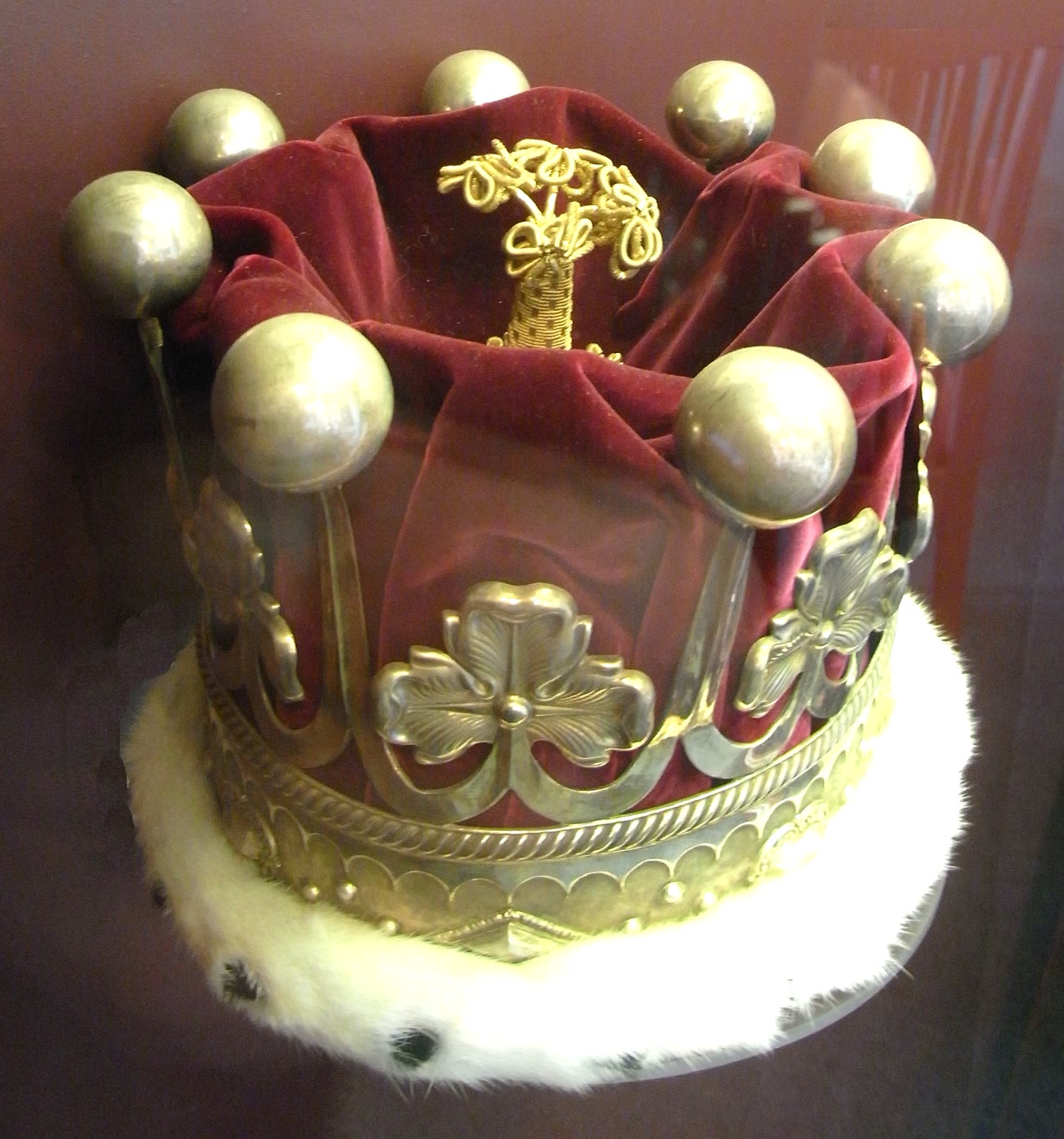
What Is a Coronet?
What a coronet is, its documented heraldic role indicating rank in the British peerage, and its broader use as a general term for a small, low, crown-shaped head ornament.
Jewellery
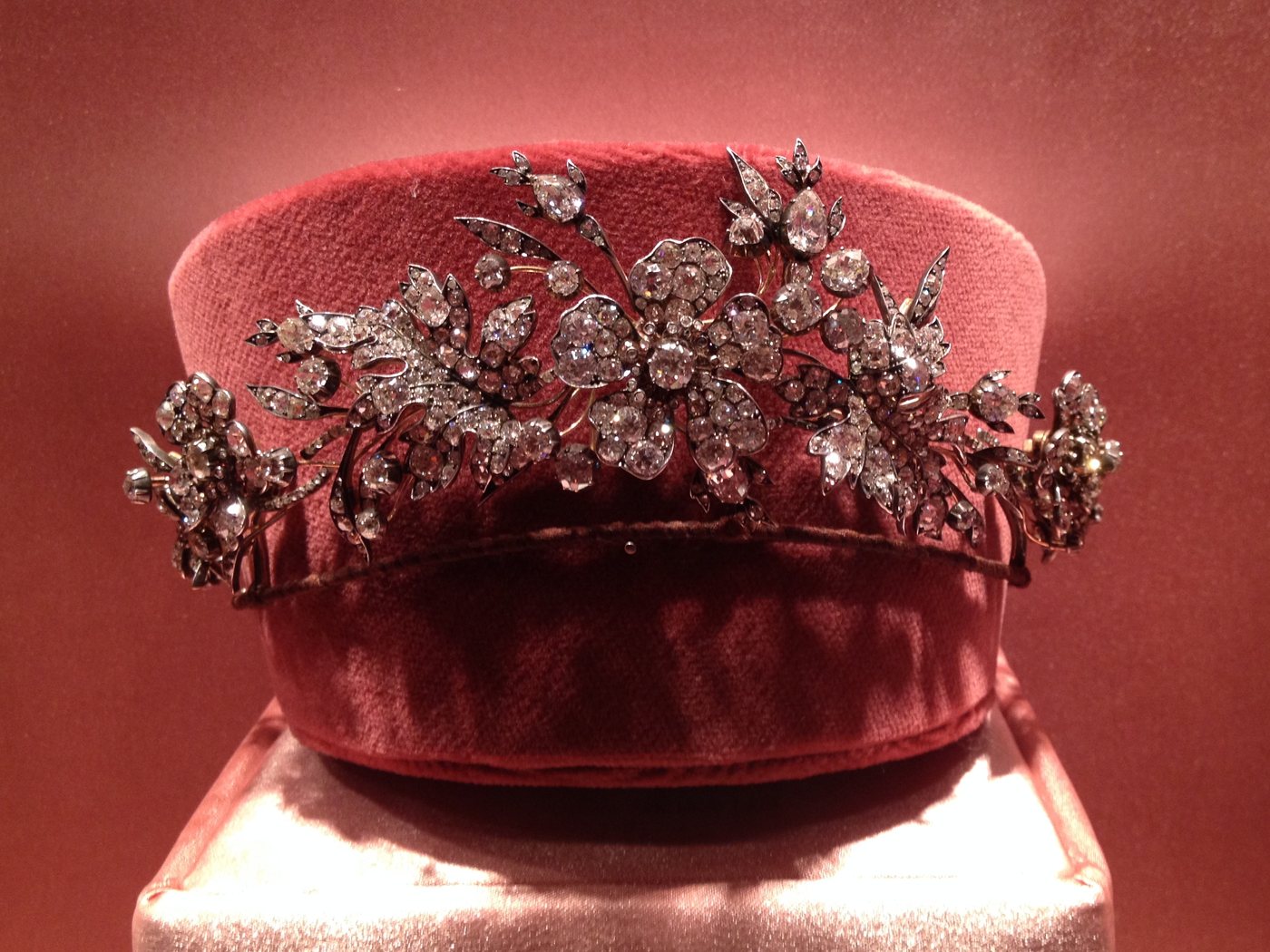
What Is a Diadem?
What a diadem is in the strict sense, its classical and ceremonial associations, and how the term is used alongside - and often interchangeably with - tiara.
Jewellery
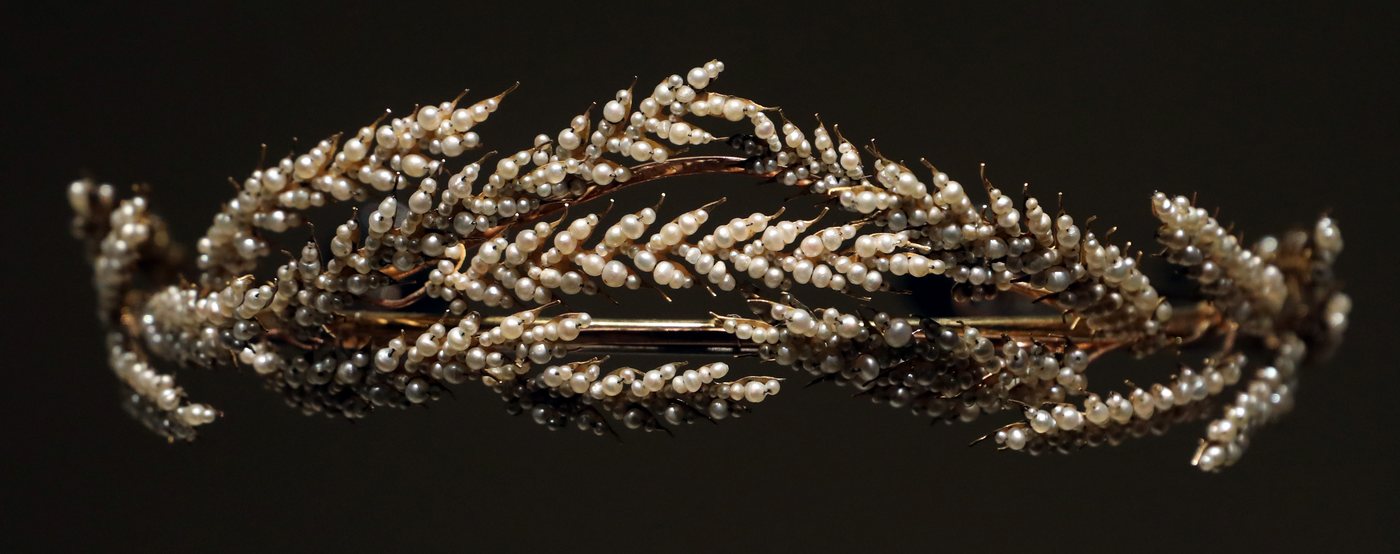
What Is a Tiara?
What a tiara is, how it differs from a full diadem, and how bandeau and convertible tiara styles developed alongside aristocratic and fashionable wear.