Victorian vs Edwardian Jewellery
How Victorian jewellery's heavier gold work and mourning materials gave way to the light, platinum-set, diamond-and-pearl style of the Edwardian era.
Victorian and Edwardian jewellery sit back to back on the calendar - Victoria died in January 1901, and Edward VII’s short reign followed immediately after - but the two eras produced jewellery that can look strikingly different, moving from heavier, varied 19th-century gold work toward a lighter, more uniform platinum-and-diamond style.
Short Answer
Victorian jewellery (1837-1901) spans a long and stylistically varied reign, but is broadly associated with substantial gold work, extensive use of mourning materials like jet during the mid-to-late period, and motifs that shifted from naturalistic to archaeological-revival to Aesthetic-movement over the decades. Edwardian jewellery (1901-1915) is comparatively short-lived and stylistically more unified: light, delicate, platinum-set pieces favouring diamonds and pearls in garland-like motifs - bows, swags, laurel wreaths - with fine millegrain edging, marking a deliberate visual break from heavier Victorian gold.
What Is Victorian Jewellery?
Victorian jewellery covers an unusually long span - over sixty years - and changed considerably across it, moving through an early naturalistic phase of flowers, leaves and serpent motifs, a mid-century archaeological-revival phase influenced by classical excavations, and a late-century Aesthetic and early Art Nouveau turn toward more stylised, artistic forms. Running through much of this span, particularly following Prince Albert’s death in 1861, was the extensive use of mourning materials such as jet, black enamel and hair, driven by Queen Victoria’s own prolonged mourning and its influence on fashionable society.
What Is Edwardian Jewellery?
Edwardian jewellery takes its name from King Edward VII’s reign and is generally understood to run from around 1901 to the outbreak of the First World War in 1914, sometimes extended informally to 1915. It is defined less by a monarch’s personal taste than by a genuine technical shift: platinum, which had previously been difficult to work reliably, became practical for fine jewellery settings around this period, allowing goldsmiths to create much finer, lighter, lace-like frameworks than gold alone could support. This technical shift enabled the era’s signature look - diamonds and pearls set in openwork platinum, arranged in garland motifs borrowed from 18th-century French decorative style, with fine millegrain edging finishing the metalwork.
Key Differences
| Property | Victorian | Edwardian |
|---|---|---|
| Date range | 1837-1901 | 1901-1915 (approx.) |
| Dominant metal | Gold, often substantial and heavily worked | Platinum, enabling fine, lightweight settings |
| Visual character | Varied - naturalistic, archaeological, Aesthetic phases across the reign | Light, delicate, uniformly lace-like |
| Typical motifs | Flowers, serpents, classical revival forms, mourning symbols | Bows, swags, garlands, laurel wreaths |
| Mourning material use | Extensive, especially jet, from the 1860s onward | Comparatively minimal - mourning fashion had largely relaxed |
| Signature technique | Varied by phase - repoussé, cannetille, archaeological granulation | Millegrain edging on fine platinum settings |
Historical Usage
Victorian jewellery’s changes track the era’s broader cultural shifts - a Romantic, nature-inspired early period; a mid-century fascination with archaeology and classical revival following major excavations; and mourning fashion’s dramatic rise after 1861, which flooded the market with jet and black-enamelled gold. See Victorian Jewellery for the fuller range across these phases. Edwardian jewellery, by contrast, reflects a narrower, more confident fashionable ideal - the “garland style” associated with fashionable society and court circles of the period, epitomised by diamond and pearl tiaras, negligée necklaces and delicate brooches designed to catch light rather than display mass or colour.
Where the Terms Overlap
The two eras border each other directly, and jewellery made in the final years of Victoria’s reign or the opening years of Edward’s can share characteristics of both - platinum experimentation and lighter settings appear before 1901, and heavier gold Victorian-style pieces continued to be made and worn well after it, since fashion changes gradually rather than at the stroke of a coronation. Dating a piece to one era or the other from style alone should therefore be treated as a reasonable estimate rather than a precise boundary, particularly for pieces made in the transitional years around 1900.
Related Reading
For the full era entries, see Victorian Jewellery and Edwardian Jewellery; for the material shift underpinning the Edwardian look, see Platinum in Jewellery History.
Read next

Eras
Edwardian Jewellery
A guide to Edwardian jewellery (1901-1915): platinum and the garland style, Queen Alexandra's dog collars, Cartier, Boucheron and Fabergé in London, the Cullinan diamond, lavaliers, milgrain settings and day jewellery.
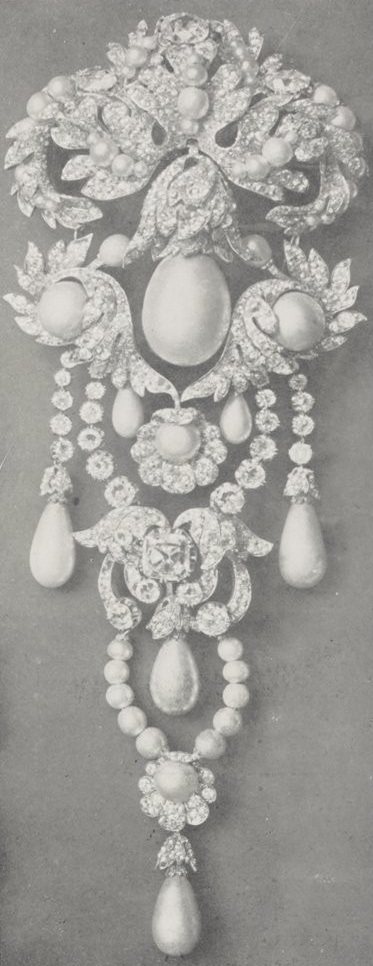
Eras
Victorian Jewellery
A guide to Victorian jewellery (1837-1901): the Romantic, Grand and Aesthetic periods, the Great Exhibition, gold rushes and 9ct gold, mourning and Whitby jet, archaeological revival, Scottish jewellery, and how to recognise each phase.

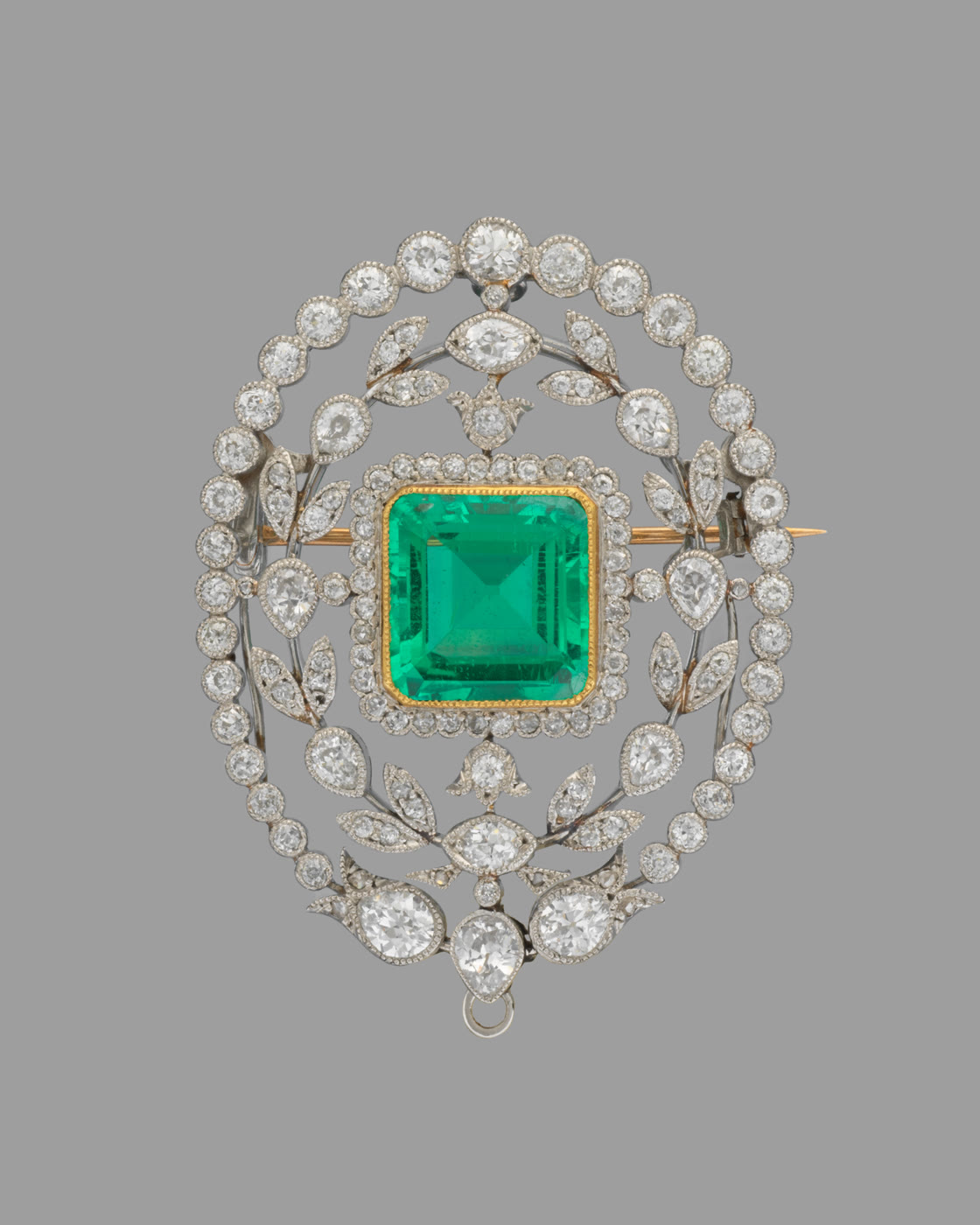
Materials
What Is Jet Jewellery?
What jet is, where it came from - Whitby, Asturias, southern France - its use from the Bronze Age to the Victorian mourning boom, and how to tell genuine jet from vulcanite and French jet.
Materials
Platinum in Jewellery History
Why platinum only became practical for jewellery around 1900, Cartier and the Edwardian garland style, Art Deco settings, Russian and South African supply, wartime restrictions and platinum marks.
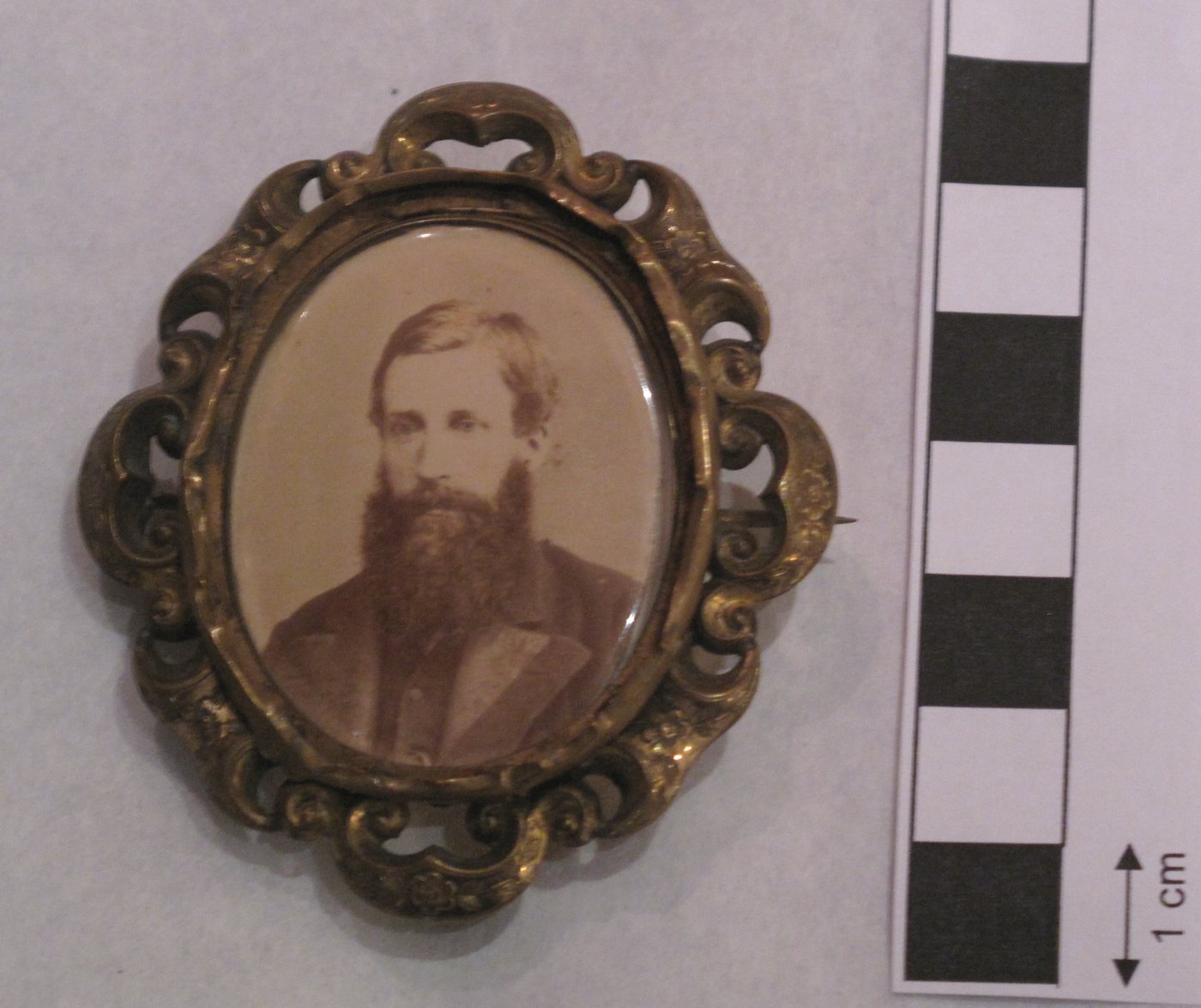
Mourning & Sentimental
What Is Mourning Jewellery?
What mourning jewellery is, how it developed from Stuart and Georgian memorial rings, why it peaked in Victorian Britain after Prince Albert's death in 1861, and the etiquette and materials behind it.
Techniques
What Is Milgrain?
What milgrain edging is, how the milgrain wheel works, its use on Edwardian platinum and 1920s-30s white gold and platinum rings, and why it is a useful but not conclusive period indicator.