What Is a Fob Seal?
What a fob seal is, how its engraved intaglio face could press a wax seal, and why sealing wax's decline through the 19th and 20th centuries reduced the fob seal to a decorative watch-chain ornament.
A fob seal is a small decorative pendant, often set with an engraved intaglio or hardstone, carried on a watch chain or fob ribbon, historically used to press a wax seal as well as worn purely as an ornament.
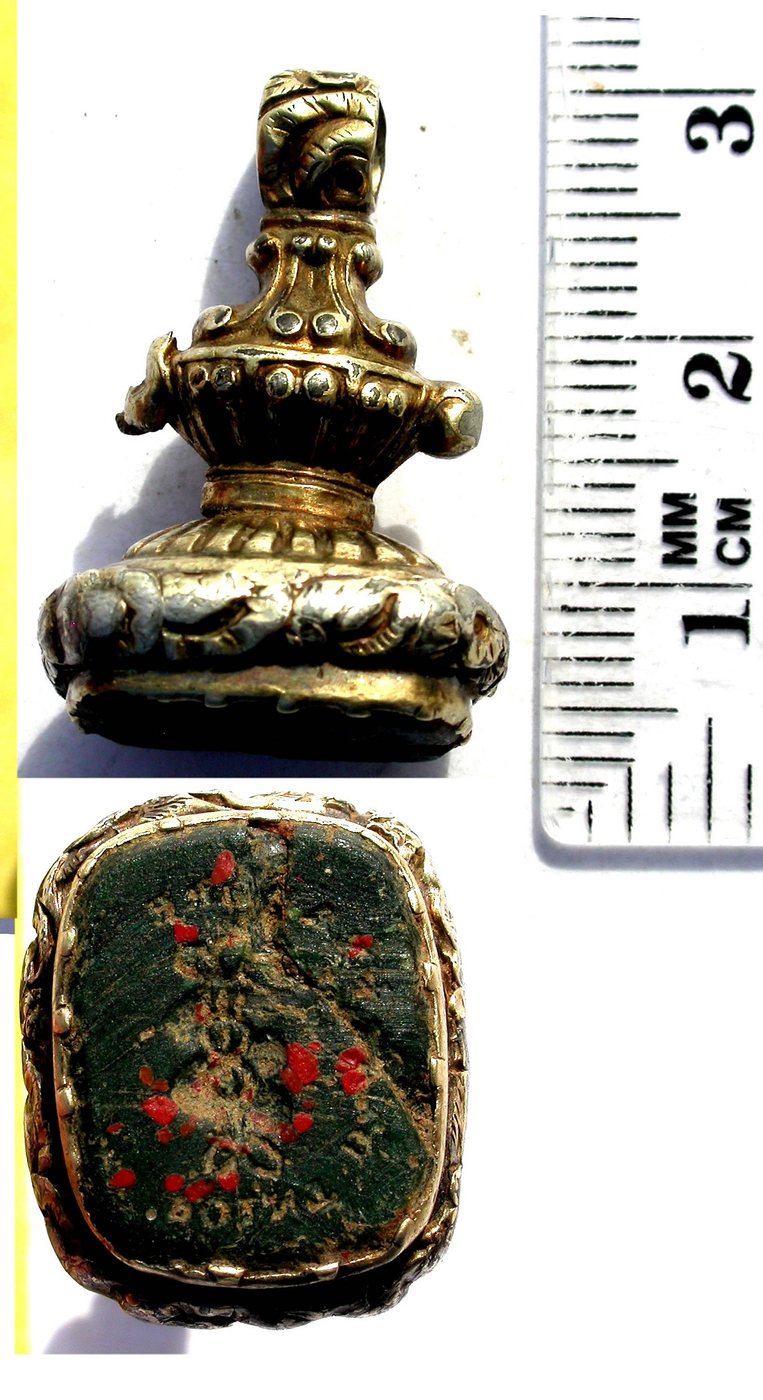
What Is a Fob Seal?
A fob seal combines two functions in one small object: a decorative pendant sized to hang visibly from a watch chain, and, on its base, an engraved face - typically a coat of arms, monogram, motto or decorative device cut in reverse (intaglio) into a hardstone or metal - that could be pressed into softened sealing wax to leave a raised impression. Like a signet ring, a fob seal served as a functional tool for authenticating or personalising sealed correspondence, in addition to its decorative role.
How to Recognise It
Look at the base of the pendant for a flat or gently domed engraved face, cut in reverse so that it prints correctly when pressed into wax; an engraved seal face is a strong indicator that the piece is a fob seal rather than a purely decorative fob ornament of similar shape. Fob seals often have a swivel fitting at the top, allowing the seal to turn freely on its chain.
When Was It Worn?
Fob seals were carried throughout the 18th and 19th centuries, worn wherever a pocket watch and its chain were worn, and were especially common through the Georgian and Victorian periods, when sealing wax correspondence was still a routine part of formal and personal letter-writing.
Origins
Engraved seals used to authenticate documents and letters are ancient, and the fob seal developed as a natural pairing between that older sealing tradition and the watch chain, which offered a convenient, visible place to carry a seal close at hand. Fob seals became a fashionable accessory in their own right over the 18th century, valued as much for their decorative hardstone and engraving as for their practical use.
How It Changed Over Time
Georgian fob seals were often set with carnelian, bloodstone or other hardstones engraved with a coat of arms, initials or a decorative motto, mounted in gold or gilt metal, and were sometimes worn in matched pairs or small clusters on the same chain for visual effect as much as practical need. Through the Victorian period, fob seals remained a common accessory, though their practical sealing role gradually mattered less as printed stationery, adhesive envelopes and, later, other means of correspondence reduced the everyday use of sealing wax. By the later 19th century, fob seals persisted more as a decorative or sentimental accessory - sometimes inherited pieces retained for their engraved family arms or initials - than as tools relied upon for sealing letters, and their practical role diminished further into the 20th century as sealing wax correspondence itself became increasingly uncommon.
Materials
Gold was used for finer fob seal mounts, with silver and gilt base metal common at lower price points. The engraved face itself was typically cut into a hardstone - carnelian and bloodstone were especially popular - though glass and paste intaglios were also used as a less expensive alternative to genuine hardstone.
Construction
A fob seal consists of a mount, usually a small decorative frame or handle in metal, holding the engraved stone or metal face at its base, with a swivel loop or ring at the top allowing it to hang and turn freely from a watch chain or fob ribbon.
How It Was Worn
Suspended from a watch chain, typically alongside or opposite the watch itself, so that the seal hung visibly and could be lifted and used without removing the chain from the waistcoat.
Who Wore It?
Fob seals were worn predominantly by men, as part of the same watch-chain arrangement that carried a pocket watch, though women’s watch chains and châtelaines could also carry a seal among their attachments.
Notable Variations
- Intaglio fob seal - set with an engraved intaglio in hardstone, glass or paste.
- Armorial fob seal - engraved with a family coat of arms, used to authenticate correspondence.
- Watch key seal - a combined form uniting a watch-winding key with a seal face, common before keyless watches became standard.
Similar Jewellery
A fob seal is closely related to, and shares its practical purpose with, the signet ring, which carries an engraved seal face in ring form rather than as a pendant; the two were often used interchangeably by the same person depending on whether a hand-worn or chain-carried seal was more convenient.
Examples in Museum Collections
- Fob seal with a Battle of Trafalgar intaglio, 1815-20. Victoria and Albert Museum, London, M.105-1945. A swivelling three-sided engraved stone (catalogued as citrine) in a gold mount. One face is cut in reverse with “England expects…”, so that it reads correctly when pressed into wax. The museum describes it as a seal worn on a gentleman’s watch chain and used for sealing letters.
- Fob seal with antislavery emblems, Josiah Wedgwood and Sons, British, c.1830. Metropolitan Museum of Art, New York, 2025.787. A fob seal carrying a campaigning emblem rather than arms or initials, from the years when sealing letters was still routine.
- Fob seal, made and retailed by Tiffany & Co., New York, c.1880-1900. Victoria and Albert Museum, London, M.94-2011. Its seal stone was never engraved - by the late 19th century the fob seal had become mainly an ornament for the watch chain rather than a working tool.
Read next
Eras
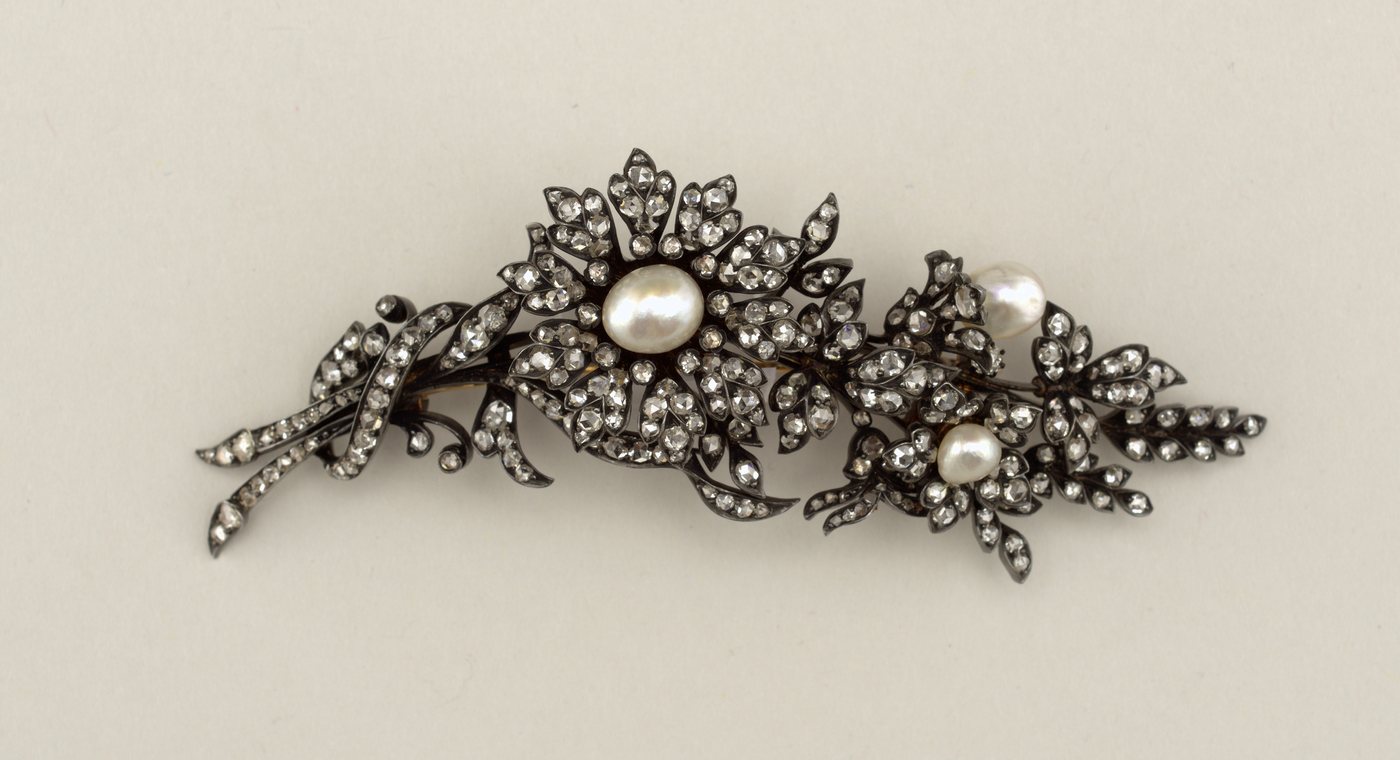
Georgian Jewellery
A guide to Georgian jewellery (1714-1837): Brazilian diamonds, closed-back foiled settings, rococo and Neoclassical styles, paste, cut steel and pinchbeck, sentimental miniatures, girandoles, rivières and Sévigné bows.
Eras
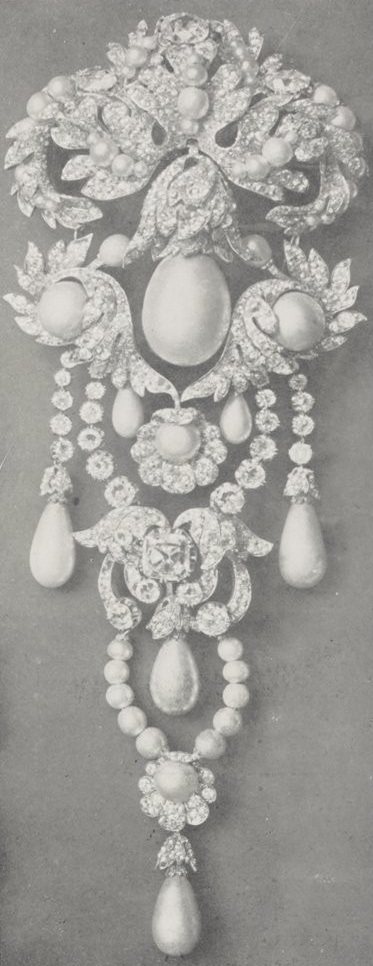
Victorian Jewellery
A guide to Victorian jewellery (1837-1901): the Romantic, Grand and Aesthetic periods, the Great Exhibition, gold rushes and 9ct gold, mourning and Whitby jet, archaeological revival, Scottish jewellery, and how to recognise each phase.
Jewellery
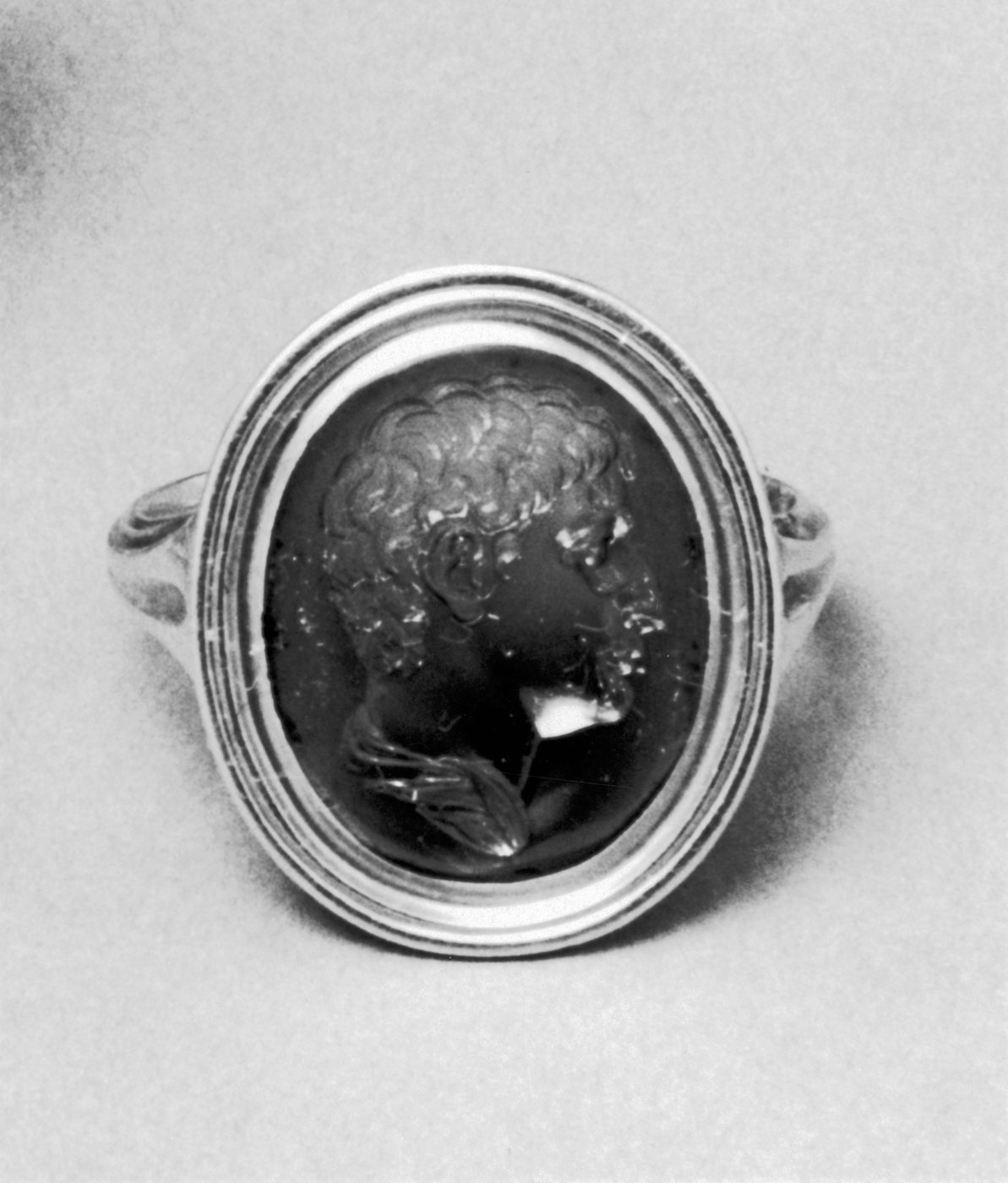
What Is an Intaglio?
What an intaglio is, why its recessed carving made it a working seal rather than just an ornament, and how it differs from a cameo carved in relief.
Jewellery
What Is a Signet Ring?
What a signet ring is, how its engraved bezel was historically used to seal documents in wax, and how it became a largely decorative, strongly male-associated accessory.

Jewellery
What Is a Watch Chain?
What a watch chain is, how the Albert chain secured a man's pocket watch across a waistcoat, and how women wore an equivalent longer guard chain around the neck or on a brooch.