Natural vs Synthetic Gemstones: What's the Difference?
The conceptual difference between natural, synthetic and simulant gemstones, and the historical turning point that made synthetic corundum widely available.
“Synthetic” is one of the most misunderstood words in gemstone terminology - it does not mean fake, and a synthetic gemstone is a different thing from a stone that merely imitates a gem’s appearance. Understanding the distinction matters for reading period jewellery accurately, since synthetic gemstones became a real, well-documented part of the jewellery trade from the early 20th century onward.
Short Answer
A natural gemstone forms through geological processes over long spans of time; a synthetic gemstone has essentially the same chemical composition and crystal structure as its natural counterpart but is grown under controlled conditions in a laboratory or factory rather than the earth; and a simulant merely imitates a gemstone’s outward appearance using an entirely different material, such as glass paste standing in for diamond. All three have appeared in jewellery from 1700-1950, and confusing them - particularly conflating “synthetic” with “fake” - obscures an important distinction.
Natural, Synthetic and Simulant: Three Different Things
A natural stone is what most people picture by default: a mineral formed by geological processes, mined, then cut and polished for use in jewellery. A synthetic stone shares its essential chemistry and crystal structure with the natural version - a synthetic ruby is still, chemically and structurally, corundum, the same mineral species as a natural ruby - but was grown by a manufactured process rather than found in the ground. A simulant, by contrast, shares nothing structural with the gem it imitates; it simply looks similar. Paste, a glass formulated and cut to imitate diamond and other gems, is a well-documented historical simulant used across the Georgian and Victorian periods, long before synthetic gemstones existed at all. Confusing a synthetic stone with a simulant understates how similar a synthetic stone is, chemically, to the natural material it corresponds to.
The Verneuil Process: A Documented Turning Point
The clearest, best-documented historical turning point in synthetic gemstone production is the flame-fusion process developed by French chemist Auguste Verneuil, announced in 1902, published in 1904 and in commercial production within a few years. The Verneuil process made synthetic corundum - the mineral species underlying both ruby and sapphire - available commercially at meaningful scale for the first time, at a cost far below that of comparable natural stones. This had real, traceable implications for jewellery of the early-to-mid 20th century: synthetic ruby and sapphire became increasingly available to jewellers and buyers through the 1930s and 1940s, a period during which the use of synthetic stones in mainstream jewellery is well documented, alongside the continued use of natural stones at the higher end of the market.
Key Differences
| Property | Natural Gemstone | Synthetic Gemstone |
|---|---|---|
| Origin | Formed by geological processes over long timescales | Grown under controlled conditions in a laboratory or factory |
| Chemical composition | Naturally occurring mineral | Essentially identical to the natural mineral species |
| Crystal structure | Naturally formed, often with natural inclusions | Same underlying structure, though growth-related features can differ from natural inclusions |
| Relationship to a simulant | N/A - a simulant imitates appearance only, without sharing structure | Distinct from a simulant, since it shares real chemical and structural identity with the natural stone |
| Historical availability | Available from 1700 to 1950, at varying cost and quality | Corundum (ruby/sapphire) became widely commercially available following the Verneuil process, announced in 1902 |
Historical Usage
Before the Verneuil process, almost all gem-quality corundum used in jewellery was natural. The exceptions are small: Edmond Frémy grew tiny synthetic ruby crystals in Paris in the 1870s, and so-called “Geneva rubies”, made by an early fusion method, appeared on the market in the mid-1880s, but neither was produced on a commercial scale comparable to what followed. Once flame-fusion synthetic corundum became available in the early 20th century, it offered jewellers a way to produce vividly coloured, durable stones at a fraction of the cost of fine natural material, and its use became increasingly widespread through the interwar period and into the 1940s. This coincided with, and in some respects reinforced, a broader mid-20th-century jewellery landscape - discussed further in the 1930s and 1940s era guides - in which cost-conscious production and bold, colourful design were often paired with a mix of natural and synthetic stones within the same market, and sometimes even within pieces from the same maker.
Where the Terms Overlap
In casual and even some period trade usage, “synthetic,” “simulated,” “imitation” and “artificial” have all been used loosely and inconsistently to describe stones that are, in the stricter modern sense, quite different things - a genuine synthetic gem sharing real chemical identity with its natural counterpart, versus a simulant sharing only its appearance. Older jewellery descriptions, auction catalogues and even period advertisements should be read with this looseness in mind rather than assumed to use “synthetic” in its precise modern gemmological sense.
Related Reading
See Rubies in Historical Jewellery and Sapphires in Historical Jewellery for more on these specific stones, Paste for the older simulant tradition, and the 1930s and 1940s era guides for the period in which synthetic corundum became a well-established part of mainstream jewellery production.
Read next
Eras
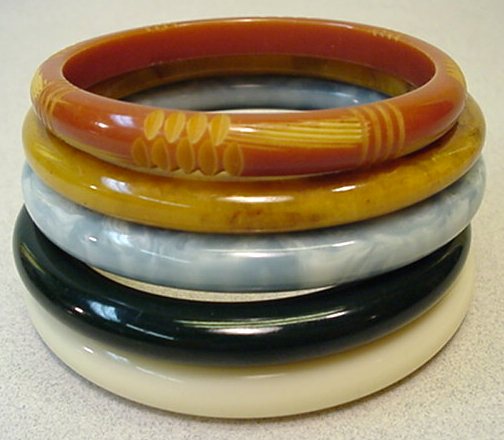
Jewellery in the 1930s
A guide to 1930s jewellery: all-white diamond and platinum, dress clips and double clips, Van Cleef & Arpels' Mystery Set, Belperron and Boivin, Chanel and Schiaparelli, Hollywood, Bakelite and marcasite, and the move towards Retro.

Eras
Jewellery in the 1940s
A guide to 1940s jewellery: wartime platinum bans and the rose-gold Retro style, Cartier's caged bird, Van Cleef & Arpels and Verdura in New York, American costume jewellery in sterling and Lucite, British Utility rings, sweetheart badges and the New Look.
Gemstones
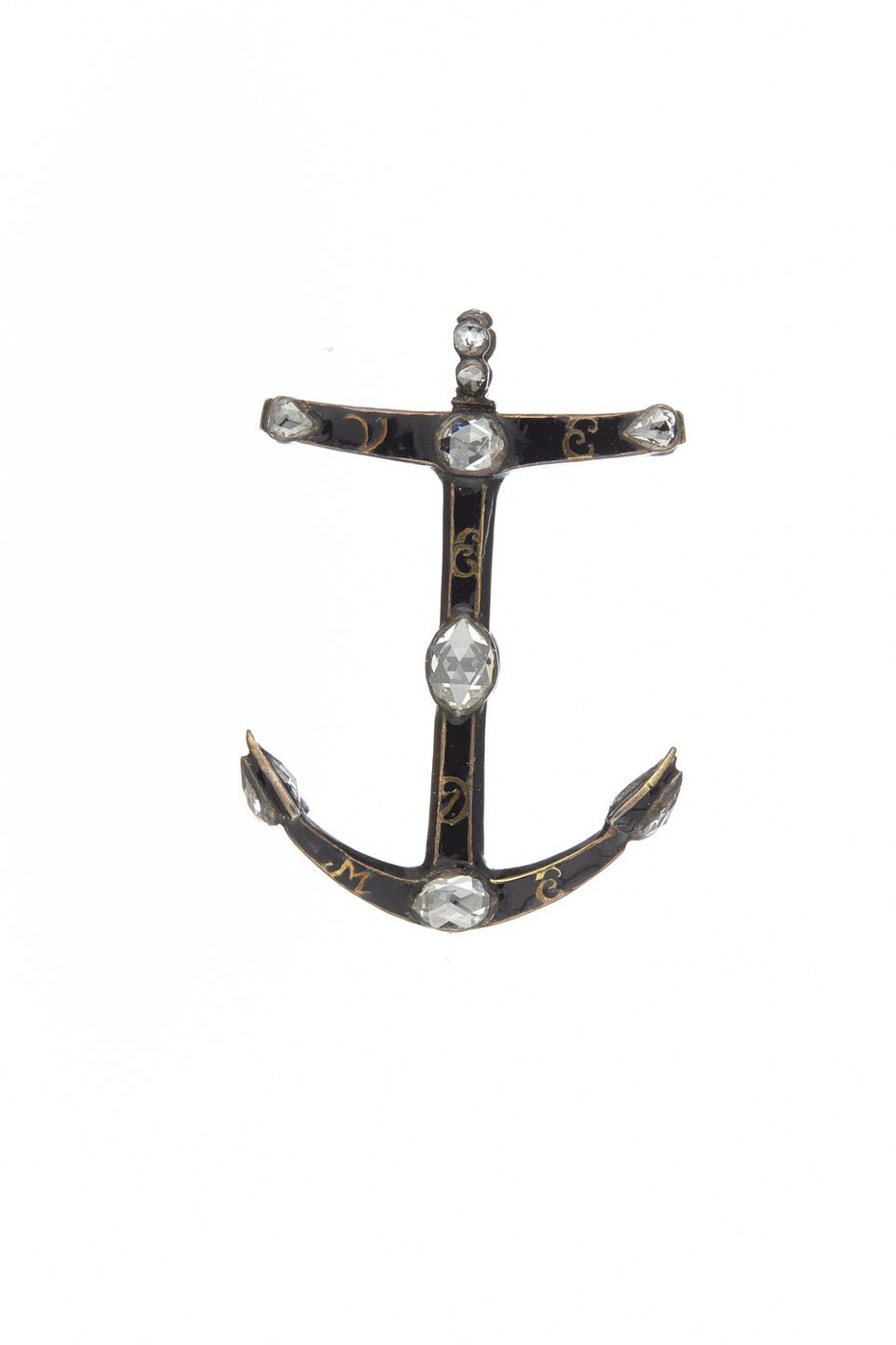
Diamonds in Jewellery History
From Indian and Brazilian diamonds to the 1867 South African discoveries and Kimberley, famous stones such as the Regent, Hope and Cullinan, and how diamond cutting and setting changed 1700-1950.
Gemstones
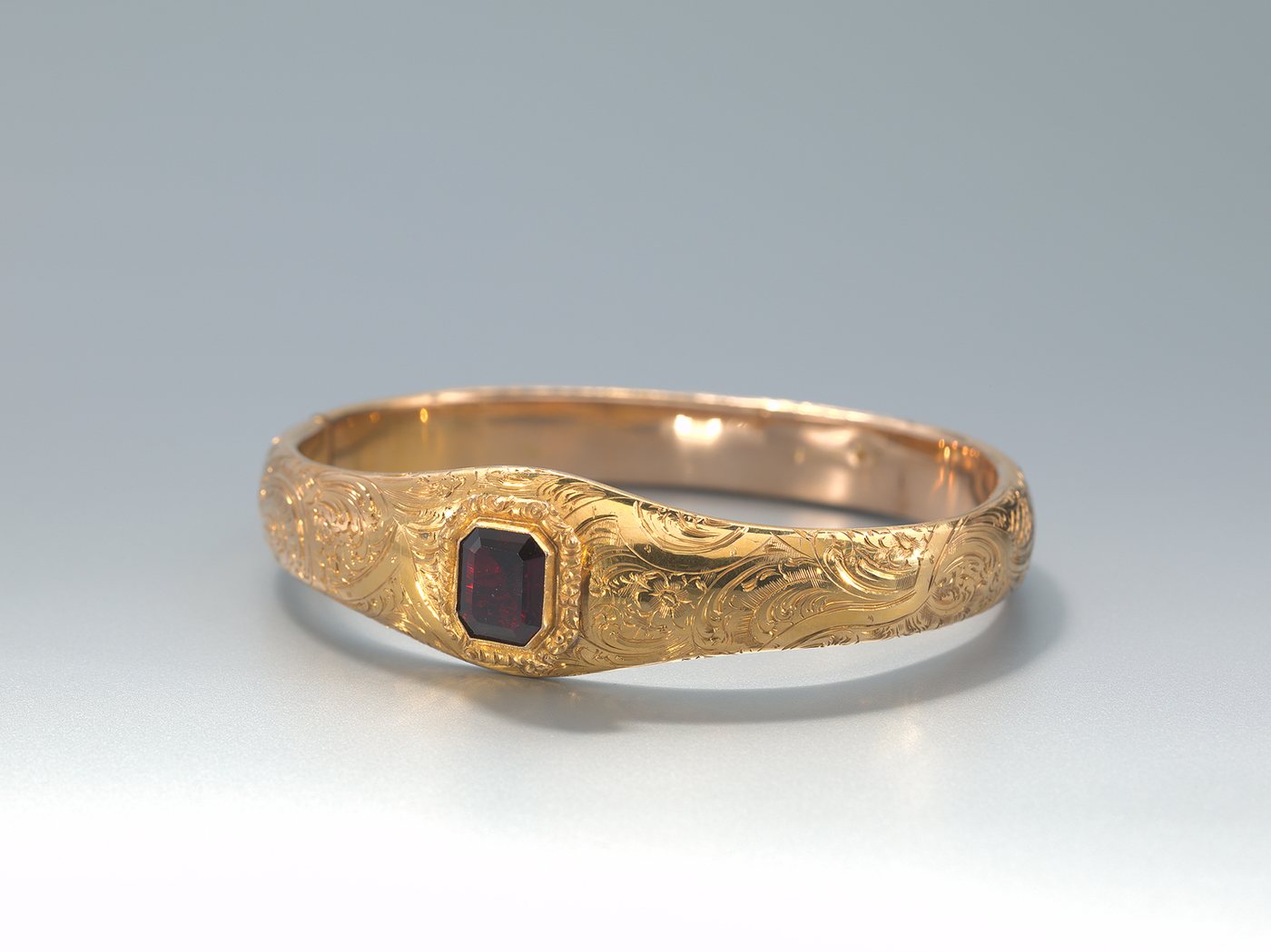
Rubies in Historical Jewellery
Ruby's status as a precious gemstone, Burmese rubies from Mogok and darker Siam stones, spinels mistaken for rubies, and the arrival of Verneuil's synthetic ruby from about 1902.

Gemstones
Sapphires in Historical Jewellery
Sapphires from Ceylon, Burma and the short-lived Kashmir mines of the 1880s, royal sapphires, the Edwardian sapphire-and-diamond pairing, star sapphires and early synthetic corundum.
Materials
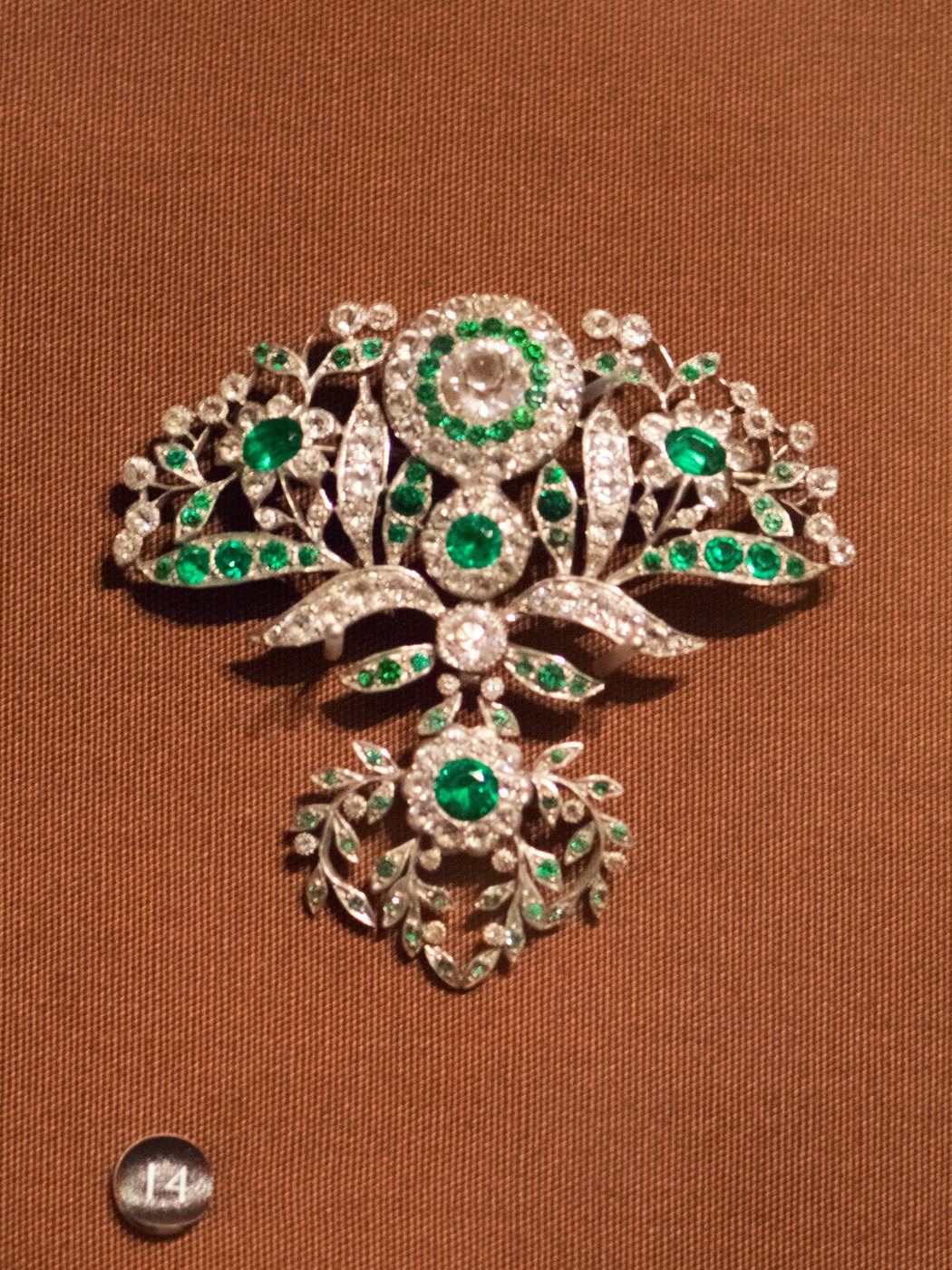
What Is Paste Jewellery?
What paste jewellery is, from English lead glass and Georges Frédéric Strass in Paris to foiled closed settings, black-dot culets and later Bohemian stones, and why fine paste is collected today.